


Urban Archlight Living Space Design
The 'Urban Archlight Apartment' contest centers on a modern, light-infused urban living space defined by architectural arches, layered natural illumination, and open spatial flow. This scene represents a contemporary city apartment—typically compact yet high-ceilinged, with large windows, exposed structural elements (e.g., concrete or brick), and intentional interplay between shadow and daylight. It’s not merely a living room or studio; it’s a holistic interior space where geometry, materiality, and light coalesce to create atmosphere. Effective design here requires mastering indoor spatial planning across zones (living, dining, lounge) while honoring the rhythm of arch forms and optimizing passive daylighting—a core Homestyler design technique for realistic rendering and human-centric ambiance.
Design Challenges & Common Pitfalls
Urban archlight spaces face three recurring challenges: (1) Overpowering or uneven natural light—large windows can cause glare or thermal discomfort without balanced shading or reflective surfaces; (2) Visual fragmentation—arches and open plans risk making the space feel disjointed if transitions between zones lack cohesive material, scale, or lighting cues; (3) Scale misalignment—arch motifs introduced via furniture, millwork, or AI-generated moldings often clash with room proportions when applied without spatial calibration. These issues directly impact indoor spatial planning efficacy and undermine the serene, unified urban aesthetic the contest celebrates.
✅ Prioritize Light Layering & Architectural Rhythm
Light layering means combining ambient (ceiling/arch-integrated), task (pendants over coffee tables), and accent (wall sconces highlighting arch curves) sources—not just adding more lights, but choreographing them. Simultaneously, architectural rhythm ensures arches appear intentional: repeating at consistent intervals, aligning with window mullions or ceiling beams, and echoing in furniture curves (e.g., arched sofa backs or rounded coffee tables). This duality creates depth, warmth, and visual continuity.

Em Leech’s minimalist composition demonstrates light layering through a single sculptural pendant centered over a low-profile coffee table—creating focused task light—while sheer curtains diffuse broad ambient daylight from tall windows. The soft curve of the sofa back subtly echoes the implied arch geometry of the space, reinforcing rhythm without literal arch construction. Using Homestyler AI design tools, Em likely leveraged the ‘Sunlight Control’ slider and ‘HDR Environment’ presets (e.g., g_peoples_square_dawn) to simulate realistic dawn light behavior—showcasing how AI-powered indoor spatial planning enables precise luminance forecasting before physical build.
Design Your Space Free🎨 Unify Material Palette with Purposeful Contrast
Select 3–4 core materials maximum—e.g., warm-toned oak flooring, matte black metal frames, off-white plaster walls, and textured linen upholstery—and deploy contrast deliberately: pair rough-hewn concrete (structural) with smooth ceramic tiles (zoning threshold), or matte finishes with subtle metallic accents (light reflectors). Avoid decorative contrast for its own sake; instead, use material shifts to signal functional transitions (e.g., dining vs. lounge) while preserving tonal harmony.

@happyplace @home’s 'Concrete chic' entry exemplifies purposeful contrast: raw, unfinished concrete walls anchor the space materially and texturally, while refined oak flooring and tailored charcoal upholstery introduce warmth and polish—without breaking tonal cohesion. The designer used Homestyler’s ‘Material Swap’ AI tool to rapidly iterate surface options across walls, floors, and furniture, ensuring every contrast served zoning clarity (e.g., lighter floor defining the lounge zone) and emotional balance. This reflects advanced Homestyler design techniques that streamline indoor spatial planning through real-time material intelligence.
Start Free Apartment Plan📐 Anchor Layouts with Arch-Aligned Focal Points
Every major furnishing group—sofa set, dining ensemble, reading nook—should be anchored to an architectural or implied arch axis. Position the sofa perpendicular to an arched window reveal; align dining chairs with an arched alcove; or place a media console beneath an arched ceiling beam. This creates gravitational stability and guides movement intuitively—turning abstract geometry into functional orientation. Avoid centering pieces solely on room dimensions; instead, let arch logic define centrality.

Pink🌷 Flower🌷 organizes the entire layout around a dominant arched window—centering the L-shaped sofa to face it, aligning the low TV cabinet with the arch’s base line, and suspending a circular pendant light directly beneath its apex. This transforms the arch from decoration into spatial command center. Leveraging Homestyler’s ‘Snap-to-Arch’ AI assist (available in v4 tool version), the designer ensured all key objects adhered precisely to curvature logic—enhancing realism and demonstrating how AI-driven indoor spatial planning elevates intuitive, human-centered arrangement.
FAQ
Q: Do I need professional architecture software to participate in the Urban Archlight Apartment contest?
Not at all. Homestyler’s AI-powered interior design platform—including its v4 tool version, arch-specific templates, and one-click sunlight simulation—enables beginners and pros alike to execute sophisticated indoor spatial planning without CAD experience.
Q: Can I use non-architectural furniture models in an Urban Archlight design?
Yes—but only if their form language responds to the arch theme. For example, a softly curved sectional or a round marble coffee table harmonizes better than sharp-edged modular units. Homestyler design techniques emphasize contextual resonance over rigid motif replication.
Q: How important is model count (e.g., 54 models in Arwen’s Gold Rush penthouse) for judging?
Model count reflects design richness—not quality. Judges prioritize intentionality: how each object serves light layering, material unity, or arch alignment. A lean 24-model scheme executed with precision (like Fernanda Azevedo’s Top 5 entry) often scores higher than cluttered complexity.
Q: Does the contest accept designs with custom textures or uploaded images?
No. All submissions must use Homestyler’s native library assets and AI-generated renders. This ensures fair evaluation of indoor spatial planning rigor, lighting fidelity, and arch integration—all core Homestyler design techniques validated by the platform’s rendering engine.

Modern Marble Top Metal Round Side End Table 3D Model
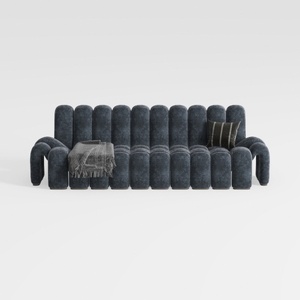

Modern Dark Blue Fabric Channel Tufted Oversized Sofa 3D Model

GLEAVI 3Pcs Vintage Iron Candle Holder Elegant
Homestyler offers an easy-to-use online home design tool with stunning 3D renderings, inspiring design projects, and helpful DIY video tutorials. It’s perfect for anyone wanting to create and visualize beautiful interiors effortlessly.
Design Now for FREE





