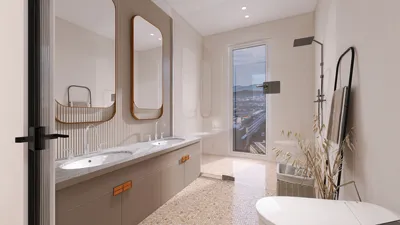


Arranging lamps in your living room serves more than just the purpose of providing light; it's an essential task in establishing a warm ambiance and enhancing your overall decor. Effective lamp placement plays a crucial role in improving both the functionality and visual appeal of your space. Here are some insightful strategies to help you effectively arrange lamps in your living room, using tools like Homestyler for visual aid and planning.
1. Assess the Purpose of Each Lamp
Before placing any lamps, consider their intended use. Are they for reading, setting a mood, or showcasing artwork? Grasping the function will help you in the arrangement process.
2. Create Distinct Zones with Lamps
For spacious living rooms, think about creating separate areas for different activities. Utilize floor lamps in reading spaces and table lamps on side tables to clearly define zones for relaxation and social gatherings.
3. Achieve Balance with Light Sources
To foster a well-illuminated area, it’s vital to balance your light sources. Blend floor lamps, table lamps, and wall sconces to spread light uniformly across the room.
4. Layer Your Lighting Effectively
Creating a layered lighting scheme is key to a comforting atmosphere. Incorporate ambient, task, and accent lighting; for example, combine a bright floor lamp with softer table lamps to achieve a cozy glow.
5. Use Lamps as Decorative Features
Lamps can double as decorative accents in your living room. Opt for lamps that harmonize with your color palette and aesthetic style. A striking, colorful lamp may become the centerpiece in an otherwise neutral space.
6. Height Variations are Crucial
When positioning your lamps, height variation can enhance visual interest. Place tall floor lamps next to lower furniture and shorter table lamps on elevated surfaces for a polychromatic effect.
7. Optimal Placement is Key
Ensure that lamps are placed where they provide maximum effectiveness. Avoid squeezing them into corners where lighting could be less effective. Position table lamps on side tables beside sofas and armchairs for easy access.
8. Try Different Angles
Angling your lamps might create a more inviting atmosphere. Instead of setting lamps directly across from each other, consider skewing their positions to amplify the lighting effect throughout the room.
FAQ
Q: Which types of lamps are best suited for a living room? A: Ideal choices include floor lamps for added height, versatile table lamps, and wall sconces for extra dimensionality.
Q: How many lamps should I incorporate into my living room? A: This largely depends on the size of your space. A practical guideline is to have at least three distinct light sources to maintain a balanced appearance.
Q: Is it permissible to mix different lamp styles? A: Absolutely! Combining various styles can create an eclectic feel, but make sure they share a common element—like color or materials—for a cohesive look.
Design Now for FREE
































