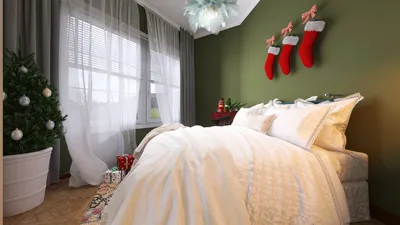


I once took on a challenge to spray paint a client's narrow hallway after their passionate plea for a dramatic transformation. It didn't take long for me to realize that I underestimated the overspray that ended up in the adjacent room. This experience taught me a valuable lesson: adequate preparation and visualization can save you countless hours of work. If you're contemplating a bold new color yet feel apprehensive about the final look, I frequently turn to quick color mockups using Homestyler to pilot my ideas before making a long-term commitment.
1. Perfect Your Preparation: Clean, Repair, and Prime
Although spray painting may seem straightforward, the surfaces demand careful attention. My routine always involves cleaning walls with a degreaser, filling any dents, sanding down shiny areas, and priming—especially where patches exist—to ensure a uniform finish. The benefit of diligent preparation is clear: when it's done correctly, the spray application goes on smooth and covers quickly; the downside? Preparation is time-consuming, but it’s far more cost-effective than correcting mishaps later on.
save pin
2. Choose the Right Sprayer and Paint
For interior walls, my go-to choice is an HVLP handheld sprayer, particularly in smaller rooms, as it seamlessly balances control and speed. I recommend using interior latex or water-based enamel designed for sprayers to reduce the chances of yellowing. A word of advice: cost-effective sprayers might sputter or clog, so it’s wise to either invest in a dependable model or rent one for the day.
save pin
3. Master Masking and Overspray Control
Masking is truly the unsung hero of achieving clean spray jobs—utilizing drop cloths, painter’s tape, and taped plastic sheeting for doorways and vents is crucial. I apply paint in overlapping vertical strokes, maintaining a consistent distance to minimize fogging. If the thought of taping irritates you, I understand; it can be tedious, but it definitely saves you from the dreaded aftermath of paint splatters on trim and floors.
save pin
4. Prioritize Ventilation, Safety, and Timing
Ventilation isn’t just a suggestion; it’s an absolute must—open the windows, activate fans, and wear a respirator that’s rated for paint fumes. I schedule spray jobs for dry, low-humidity days to ensure paint dries evenly and odors dissipate swiftly. Prioritizing safety is a significant benefit—good ventilation along with personal protective equipment (PPE) safeguards you and limits lingering smells, but do keep in mind this may require breaks between paint coats.
save pin
5. Techniques for Finishing and Texture Control
Achieving the right finish is all about technique: keep the sprayer in motion, overlap your passes, and sand between coats if you aim for ultra-smooth results. For a delicate texture, adjust your distance or use gentle stippling passes; thinner multiple coats will outperform one heavy application for achieving a completely flat wall. When I’m working in kitchens, I’ve developed specific spray techniques to mitigate oil-splash zones and to match shades with cabinetry.
save pin
Tips 1:
Budget-conscious tip: consider renting a high-quality sprayer for a day instead of buying one outright, and practice on large cardboard pieces first. Conducting quick color tests on a board helps you live with a shade for a few days prior to a final decision. Remember, small rooms can amplify minor mistakes—take your time and avoid rushing the preparation.
save pin
FAQ
Q1: Is spray painting interior walls superior to rolling?
I resort to spray painting when seeking a super-smooth, rapid finish or when I need to access grooves and trim swiftly. Contrarily, rolling is simpler for DIY enthusiasts and generates less overspray, so select your method based on the room size and your comfort level with masking.
Q2: What are effective ways to prevent overspray from affecting other rooms?
Seal off doorways using taped plastic sheeting, cover the vents, and create negative airflow by positioning a fan to exhaust air out of a window. I always leave a slight air gap underneath the sheet to regulate pressure and reduce dust buildup.
Q3: What PPE should I wear while spray painting indoors?
At the very least, you should don an N95 mask or, even better, a respirator designed for paint fumes, along with goggles and gloves. Ensure that fresh air circulates using fans and open windows for several hours following the painting process.
Q4: Can I spray paint on glossy or already painted surfaces?
Absolutely—you just need to scuff sand glossy surfaces and prime any bare or patched areas. Without proper sanding, the spray paint may fail to adhere correctly and could begin to peel over time.
Q5: How many coats are typically required?
Most colors generally necessitate two thin, even coats with light sanding in between for a smooth finish. Dark or vivid colors may need a tinted primer or an additional coat to achieve full coverage.
Q6: How long should I wait before it’s safe to occupy the rooms?
With proper ventilation, latex paints are usually safe for light use within 24 to 48 hours; however, complete curing might take up to two weeks. Be sure to keep children and pets at bay until the odors fade and the paint feels dry to the touch.
Q7: Are there effective low-VOC spray paints available?
Yes—numerous water-based, low-VOC spray paints are highly effective for indoor use and significantly reduce odors. Check product labels for low-VOC certifications and drying times before making a purchase.
Q8: Where can I obtain official guidelines on maintaining indoor air safety while painting?
The U.S. Environmental Protection Agency (EPA) stands as an authoritative resource for information regarding indoor air quality during renovation projects. For safety recommendations, consult the EPA Indoor Air Quality resources at https://www.epa.gov/indoor-air-quality-iaq.
save pin
Discover Homestyler, your go-to online home design platform! With its easy-to-use design tool, stunning 3D renderings, and a wealth of DIY video tutorials, you can effortlessly create and visualize your dream spaces. Transform your home design ideas into reality with Homestyler today!
Concevez maintenant gratuitement
































