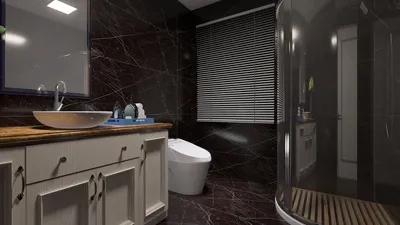


In an attempt to spray paint a small studio apartment without obstructing the vents, I accidentally created a mist that deterred my cat from entering for an entire week — a lesson learned the hard way. Now, I always review the room's layout and visualize the spraying order before starting, often referencing a 3D design with tools like Homestyler to understand where overspray might go. Small spaces can spark significant creativity, and using an airless sprayer is a skill that greatly benefits from good planning and careful technique. In this article, I will share five design inspirations from my years of kitchen renovations and apartment flips that improve indoor spraying efficiency and cleanliness.
1. Plan your spray sequence like a layout designer
I approach a room like a miniature project site: beginning with a visual sketch of walls, windows, and vents. By spraying from the farthest corner towards the exit, while covering furniture and floors beforehand, you can significantly reduce overspray and avoid backtracking. The benefits include save time, although it does require some patience during preparation — that patience ultimately leads to fewer touch-ups later.
save pin
2. Masking and protection: the unsung hero
Using plastic sheeting, low-tack tape, and drop cloths is crucial, but I frequently incorporate temporary barriers around HVAC returns and doorways to direct overspray away. In compact apartments, I even use paper bags to cover light fixtures — a budget-friendly and effective solution. This simple step can save you from the frustrating cleanup that detracts from project enjoyment.
save pin
3. Dial in tip size and pressure for small rooms
Selecting the appropriate tip size and pressure can be the make-or-break factor. I generally opt for a smaller tip size for interior projects and decrease the pressure to minimize bounce-back; this enhances control in tight spaces. If uncertain, conduct a test on cardboard first — a quick trial can prevent costly repairs later — and don't hesitate to sketch a simple floor plan as you test to keep track of your starting points for each pass, just like a quick layout in Homestyler.
save pin
4. Work with light and colors to mask imperfections
While spray finishes can be quite forgiving, lighting will expose any mishaps. I often recommend that clients check sample sprays at varying times of the day and under different artificial sources of light. A matte or low-sheen finish can effectively conceal surface flaws, while satin or eggshell finishes may highlight more texture; thus, selecting the right sheen is as much a design choice as it is a technical one.
save pin
5. Kitchen corners and trim: technique over brute force
In kitchens, concerns about overspray on cabinets, appliances, and countertops are common. I typically start by spraying ceilings and tall walls first, then finishing with controlled low-pressure passes near trim using a smaller tip, only back-rolling if necessary. For kitchen projects, it's essential to consider cabinet and countertop coverage while painting — these should be integrated into your planning similar to general kitchen layout strategies seen in Homestyler. The trade-off is that meticulous work takes more time, but the results are often custom and neat.
save pin
FAQ
Q: Is an airless sprayer suitable for all interior paints?
A: Most interior latex and acrylic paints are compatible with airless sprayers, but always verify the manufacturer’s guidelines. Some specialty coatings with high solids may require thinning or a specific tip size for proper atomization.
Q: How do I prevent overspray in connected rooms?
A: You can seal off doorways with plastic sheeting and, if possible, use negative pressure by placing a box fan in a window. Taping vents and temporarily shutting off the HVAC can greatly minimize overspray spread.
Q: Should I back-roll after spraying?
A: I usually back-roll only when it is necessary to push paint into textured surfaces or to eliminate drips; for most smooth walls, a well-adjusted spray and light passes suffice. While back-rolling adds time, it can enhance adhesion and uniformity in problem areas.
Q: What tip size and pressure should I start with?
A: Start with a mid-range tip suggested by your sprayer and paint manufacturers, and lower the pressure if you notice bounce-back. Testing on cardboard and making the necessary adjustments is the quickest way to find your ideal settings.
Q: Is ventilation really necessary when spraying indoors?
A: Absolutely — always ensure proper ventilation. Open windows, use exhaust fans, and wear respirators rated for paint fumes to protect yourself; this will reduce odors and expedite the curing process.
Q: Do I need to test for lead paint before spraying in older homes?
A: Yes — if the home was built before 1978, you must test for lead-based paint beforehand and adhere to EPA lead-safe work practices if lead is present. Refer to EPA guidance for detailed procedures and safety protocols.
Q: How do I clean and store the sprayer after interior jobs?
A: Rinse with the cleaner recommended by the manufacturer right after use, take apart tips and filters to inspect, and store everything in a dry location. Regular upkeep prevents clogs and maintains consistent spray patterns.
Q: Any quick budget tips for first-timers?
A: Consider renting a good-quality mid-size airless sprayer before making a purchase, and invest in a couple of extra tips and a quality respirator. Renting allows you to familiarize yourself with the settings without incurring a high upfront cost, and having proper protective gear is essential.
save pin
Homestyler is your go-to online home design platform! With its easy-to-use design tool, stunning 3D renderings, and a wealth of design projects and video tutorials, you can effortlessly transform your space and unleash your creativity—perfect for both beginners and seasoned designers!
지금 무료로 디자인하세요
































