


Maintaining optimal indoor humidity is essential for comfort. When humidity levels remain within the ideal range, breathing becomes easier, surfaces remain stable, and the thermal balance of the space is optimized. In my decade of experience planning both residential and commercial spaces, I have observed that humidity acts like a hidden control dial: when managed improperly, occupants may experience temperature fluctuations, foggy windows, swollen doors, and scratchy throats. However, with proper humidity management, such as utilizing tools like Homestyler, residents can experience a healthier and more relaxed environment.
Setting appropriate humidity targets is crucial. The WELL Building Standard v2 suggests maintaining indoor relative humidity between 30–60% to enhance respiratory comfort and minimize the risk of mold growth. This recommendation aligns with the consensus from clinical and building sciences. Research by Steelcase indicates that thermal comfort and environmental stability can lead to productivity increases, as stable indoor conditions reduce cognitive strain associated with task switching—a phenomenon I have seen in actual office settings where humidity and temperature are consistently regulated. My design preference is to aim for a relative humidity of 40–50% in mixed climates, adjusting closer to 45% during transitional seasons to ensure both occupant comfort and material integrity. For more information on humidity levels and thermal environments, refer to the WELL v2 guidelines and the Steelcase research library about comfort-performance dynamics.
Humidity impacts more than just the feeling of the air. When humidity levels drop to 20–30% RH, individuals may experience dryness in their eyes, and wooden finishes may contract; conversely, humidity levels above 60% can lead to increased dust mite, mold spore, and bacterial growth. According to IES lighting guidelines, glare and fogging issues can arise in high-humidity settings, especially when warm lights meet cooler air, underscoring the importance of humidity control for visual comfort. Balancing humidity management with adequate ventilation and strategic zoning is essential because overcooling to combat dampness often results in colder air while still experiencing moisture stress.
Understanding How Humidity Control Systems Function
A humidity controller within a room measures relative humidity levels using sensors (commonly capacitive) and coordinates various building systems: humidifiers inject moisture, dehumidifiers extract it, and HVAC systems regulate air temperature and flow to manage latent heat. In my practice, I employ three distinct layers: a dedicated controller for spaces requiring strict humidity levels (such as laboratories), a smart thermostat for general areas, and a building automation system for task scheduling and alerts. The most effective configurations monitor both humidity and temperature to prevent compromising thermal comfort while adjusting moisture levels.
Effective Setpoints and Ranges
For mixed-use environments, target a relative humidity of 40–50%. During winter, maintaining a band of 35–45% RH can mitigate static electricity, as well as dryness of skin and nasal passages, while also protecting wooden materials. In summer months, keeping humidity between 45–55% is crucial to control biological growth without making the environment feel damp. I advocate for a 3–5% deadband to avoid continuous cycling; tighter bands are suitable for specialized environments like labs, but residential and office spaces benefit from a gentler approach. If scheduling humidity levels programmatically, avoid drastic changes—aim for gradual adjustments of 2–3% per hour to prevent adverse reactions from materials and occupants alike.
The Relationship Between Humidity Control and Ventilation
Humidity is intrinsically linked to ventilation strategies. Depending on climatic conditions, outdoor air can either add or reduce moisture levels; while filtration doesn’t alter humidity directly, it helps prevent biological loads that thrive at elevated humidity levels. I combine demand-controlled ventilation with energy recovery ventilators (ERV) where possible—these systems exchange moisture through membranes, decreasing the energy demands for dehumidification in humid environments while preserving moisture levels during dry seasons. In hot and humid areas, it’s important to focus on removing sensible heat with properly sized and staged coils to avoid reaching temperature limits while relative humidity levels exceed 60%.
Options for Humidification and Dehumidification
Portable dehumidifiers present quick solutions for basements and smaller rooms, effectively managing episodic moisture issues. Whole-house systems integrate with return ducts, utilizing dedicated drainage lines and typically outperforming portable options in terms of energy efficiency and noise reduction. When considering humidification, options like evaporative bypass units and steam humidifiers each serve different needs: evaporative models are generally simpler and consume less energy, while steam units provide precise control in larger or drier residences. It's essential to maintain water quality; mineral buildup can hinder performance and lead to maintenance challenges.
Understanding Material Interaction with Humidity Levels
Different materials, including wood, textiles, and acoustic panels, respond variably to changes in humidity. Wood flooring can cup or develop gaps as moisture content fluctuates; veneer and doors may expand at levels exceeding 60% RH. I always recommend using dimensionally stable cores and acclimating these materials to a relative humidity of 45–50% before installation. Textiles may feel cooler in higher humidity because of reduced evaporative cooling; while this sensation remains pleasant up to mid-50s, it can become uncomfortable beyond that range. Acoustic materials with fibrous structures perform well within standard humidity ranges but may retain moisture if ventilation is lacking, necessitating smart airflow design around wall panels and overhead clouds.
Factors for Lighting and Visual Comfort
Humidity interacts with lighting in intricate ways. The presence of warm, humid air near cool glass can create a foggy view and distort outdoor visibility, negatively impacting the overall aesthetic connection with the outside world. High humidity levels can also enhance glare, as bright light sources reflect off condensation on glossy finishes. It’s important to follow IES recommendations for illuminance levels based on task requirements and to control contrast through the use of diffusers and indirect lighting. Additionally, ensure luminaires are kept away from high-humidity areas such as bathrooms and kitchens that lack proper exhaust systems. In display areas, maintaining a steady humidity of 45–50% protects against lens fogging and minimizes upkeep.
Thermal Perception and Color Influence
Humidity modifies our perception of temperature: higher humidity slows the rate of sweat evaporation, making the same temperature feel warmer. During summer, I opt for cooler wall colors and finishes—soft blues and muted greens—which research from Verywell Mind indicates can create a calming effect while impressing a cooler cognitive feeling. In winter, using warmer neutral colors can counteract the crisp sensation of dry air. While these details may seem small, they contribute to occupant comfort in reception areas and meeting spaces.
Health, Ergonomics, and Behavioral Factors
Low humidity can lead to static electricity, eye irritation, and throat discomfort—minor annoyances that aggregate to lower concentration levels. Keeping indoor relative humidity within the WELL-aligned 30–60% range improves respiratory comfort and reduces allergen activity. Ergonomically speaking, stable humidity conditions lessen the need for frequent adjustments in clothing and minimize thermal variances, which aids individuals in maintaining focus and posture during intensive work periods.
Control Systems, Sensors, and Calibration
Precision is key. I routinely compare readings from wall-mounted sensors with calibrated portable hygrometers every quarter. It’s crucial to position sensors away from supply vents, sunny spots, or restrooms, as these localized areas can distort readings. When layering controls (like a thermostat, dehumidifier, and ERV system), establish clear priorities and lockout conditions to prevent conflicting commands amongst the systems. Alerts set at 60% (indicating high humidity) and 30% (indicating low humidity) help identify problems before they escalate.
Zoning Strategies and Layout Planning
Microclimates often arise in areas where kitchens, bathrooms, and large windows meet quieter spaces. I recommend creating humidity zones: isolating wet areas with dedicated exhaust systems, providing buffer zones through circulation, and relocating archives of moisture-sensitive materials away from outside walls. When it comes to layout planning, testing furniture density and airflow paths using an efficient room planner tool can help ensure that airflow returns aren't obstructed.
While humidity control incurs energy expenses, smart sequencing can help manage costs. Utilizing Energy Recovery Ventilators (ERVs), sealing building envelopes to restrict infiltration, and opting for variable-speed compressors can provide precise latent control. Additionally, selecting low-VOC finishes is wise, as high humidity can accelerate the perception of off-gassing. Considerations for plant selection are also important—dense indoor gardens can elevate humidity levels in tightly sealed structures, so spacing out greenery and ensuring proper ventilation is vital.
Routine Maintenance for Stable Humidity Levels
During active seasons, clean humidifier reservoirs weekly and replace wicks and pads as per manufacturer recommendations. Regularly check dehumidifier drainage systems and perform annual backflushing of ERV cores. Always ensure air filters are replaced to keep airflow consistent and to maintain a balance of sensible and latent heat. I track relative humidity levels monthly—this causes minimal expenditure but effectively highlights slow changes that may arise from leaks in the building envelope or malfunctioning sensors.
When to Seek Professional Help
Consult a specialist if daily humidity swings exceed 10%, if mold is detected despite reduced humidity, or if condensation persists on window surfaces. A technician can assess coil sizing, duct pressure, infiltration, and control logic problems. In older homes, simple air sealing around window frames and sill plates can often stabilize humidity levels more effectively than merely upgrading equipment.
Reliable References for Humidity Management
For humidity norms and improving occupant well-being, it's advisable to consult the WELL Building Standard v2 regarding thermal comfort and moisture control. To understand performance impacts connected to environmental consistency, explore the Steelcase research publications that address comfort and cognitive load within workplace settings.
Common Inquiries About Humidity Control
Aim to maintain approximately 30–60% RH, with 40–50% being optimal for most settings. This aligns with the WELL v2 recommendations, balancing respiratory health and mold prevention.
High humidity levels impede sweat evaporation, making rooms feel warmer. Employing dehumidification measures or enhancing ventilation can enhance comfort by restoring evaporative cooling.
Dense plant clusters in confined spaces can elevate humidity above 55–60%. It's essential to distribute plants evenly, ensure proper ventilation, and keep tabs on humidity levels if maintaining indoor gardens.
Yes, localized moisture issues can be addressed effectively. Make sure doors remain closed, utilize continuous drainage systems when feasible, and closely monitor humidity levels. Persistent challenges may require sealing strategies and the installation of a ducted dehumidifier.
No, filtration systems improve air quality but don't impact humidity levels. For comprehensive comfort, combine air purifiers with robust ventilation and dehumidification systems.
Position sensors at breathing height and away from air supply vents, direct sunlight, kitchens, and bathrooms. Cross-validate data with accurate handheld instruments.
To lower indoor humidity, target levels around 40–45%, enhance air movement near glass surfaces, and improve window insulation properties. Run exhaust fans in bathrooms and kitchens during high moisture activities.
Keep humidity levels at 40–50%. Prior to installation, allow materials to acclimate and maintain gradual transitions throughout the seasons to avoid cupping and gaps.
Certainly. An ERV system effectively exchanges moisture across its membrane, thereby reducing dehumidification loads during summer while maintaining humidity levels during winter.
Regular maintenance includes weekly cleanings during peak use seasons, following manufacturer guidelines for replacing pads and wicks, and using filtered or treated water to minimize mineral deposits.
High humidity can cause fogging on lenses and increase glare from reflective surfaces. Adhere to IES lighting standards and avoid placing luminaires in areas exposed to persistent moisture.
Investigate potential sources of moisture, including air leaks, oversized systems, or conflicts in control systems. If necessary, consider a professional evaluation of duct configurations and coil capacities to resolve humidity issues effectively.
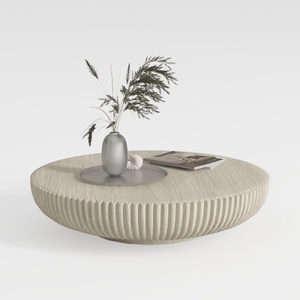
Minimalist Fluted Solid Wood Round Coffee Table 3D Model
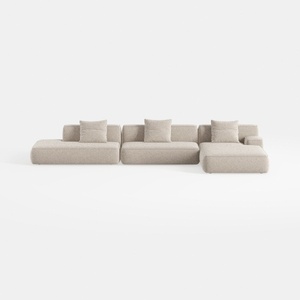
Minimalist Boucle Fabric L Shaped Sectional Sofa 3D Model
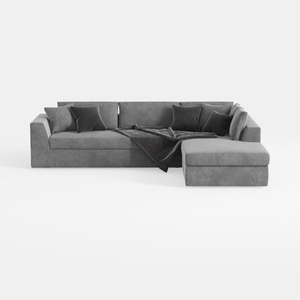
Minimalist Gray Fabric Sectional Sofa with Throw Pillows and Blanket 3D Model
Homestyler is your go-to online home design platform, perfect for both beginners and seasoned designers. With its user-friendly design tool, stunning 3D renderings, inspiring design projects, and informative video tutorials, you can effortlessly create your dream space. Start designing today!
Design jetzt kostenlos
































