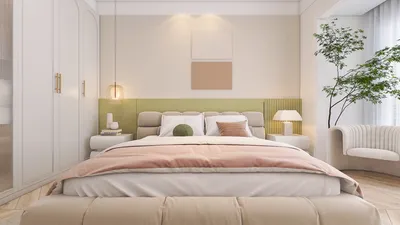


There was a time when I almost chose the wrong color temperature LEDs for an entire apartment because I relied on a sample I grabbed while managing a coffee and a toddler—definitely a rookie mistake, and the owner noticed it right away. This little faux pas highlighted the significant impact of subtle indirect wall lighting: it enhances the atmosphere, conceals flaws, and gives smaller spaces a touch of luxury. Over my 10+ years in kitchen and compact flat design, I’ve come to view indirect wall lighting as one of my top techniques.
1. Cove Lighting to Create a Floating Ceiling Effect
Incorporating cove lighting into a recessed ledge can soften the ceiling line, giving the illusion of a higher space. I implemented this in a 28m² apartment, making the ceiling appear elevated; it works wonders for open-plan areas but requires meticulous coordination with HVAC systems and joists. The benefit: it looks flattering and conceals fixtures, but the challenge lies in needing accurate installation and possibly a lighting designer for controls.
save pin
2. Backlit Wall Panels for Added Depth
Backlit wall panels introduce an eye-catching layer between the wall and light, making them ideal for tight hallways or as a headboard in a bedroom. I replaced an awkward art niche with a backlit textured panel once, and the client was immediately enamored. Although it's a polished upgrade, it can be more expensive and requires accessibility for maintenance behind the panel.
save pin
3. Recessed Wall Grazers to Accentuate Texture
Installing grazing lights close to textured walls enhances shadows and adds dramatic flair without causing overwhelming glare. I utilize this method when budget allows for basic spot channels, resulting in a luxurious appearance. However, be cautious: if the texture is irregular or poorly finished, it may highlight imperfections—testing is crucial.
save pin
4. LED Strips in Floating Shelves for Functional Ambiance
Concealing LED strips beneath floating shelves offers both task lighting and a soft ambiance suitable for kitchens or living spaces. I’ve recommended this in various kitchen makeovers where countertop space is limited, providing necessary task lighting without bulky fixtures. It's important to consider the quality of LED strips and their IP rating, especially near moisture or cooking areas.
save pin
5. Indirect Stair Wall Lighting for Safety and Aesthetic Appeal
Integrating linear LEDs along stair risers or along the wall adjacent to steps produces a subtle, decorative runway that enhances safety. In a duplex project I worked on, this strategy minimized the need for overhead lighting while transforming the staircase into a design feature. The key: meticulous wiring planning and consistent dimming levels to avoid hotspots.
Looking for practical layout assistance as you play around with these ideas? Utilize the room planner on Homestyler to outline lighting positions in relation to furniture and pathways.
save pin
Tips 1:
When budgeting for indirect lighting, consider the spectrum that spans from affordable LED strips to custom millwork with integrated channels. For long-lasting options, opt for high-CRI LEDs and think about using dimmable drivers. I always test with taped strips before moving forward with permanent installations.
save pin
FAQ
Q: What color temperature is ideal for indirect wall lighting?
A: I typically suggest a range of 2700K–3000K for living spaces to maintain warmth and coziness; for kitchens, 3000K–3500K can provide a crisper appearance.
Q: How can I conceal wiring for recessed wall lighting?
A: To hide wiring during renovations, ensure cables are routed inside walls or behind panels; in retrofit situations, surface-mounted channels that match the wall color create a neat finish.
Q: Are LED strips safe for use in bathrooms and kitchens?
A: Use strips rated IP65 or higher in moist areas and ensure transformers are situated away from wet zones; always adhere to local electrical codes.
Q: Can thoughtful indirect lighting boost property value?
A: Intelligent lighting choices enhance perceived quality and can create the illusion of larger spaces, making a difference that buyers will notice—it’s a relatively inexpensive upgrade with substantial visual benefits.
Q: How should I manage indirect lighting? Dimmers, scenes, or smart bulbs?
A: I lean towards using dimmable drivers accompanied by scene control, allowing for light layers to be adjusted for different moods and tasks; smart controls offer convenience, but reliability must be part of the planning.
Q: Will indirect lighting reveal wall imperfections?
A: Yes, especially grazing lights can accentuate textures and flaws. Smooth finishes are best for soft light washes, while textured finishes should be paired intentionally with grazing techniques.
Q: What lumen output is needed for ambient indirect wall lighting?
A: For ambient lighting, aim for lower levels (200–400 lux in living areas) from indirect sources, supplementing with task lighting depending on room size and surfaces.
Q: Where can I find reliable information on lighting installation standards?
A: For detailed electrical standards and recommended illumination levels, consult the Illuminating Engineering Society (IES) at https://www.ies.org/ — they provide accepted guidelines in the industry.
save pin
Discover Homestyler, the ultimate online home design platform! With its user-friendly design tool, stunning 3D renderings, and a wealth of DIY video tutorials, you can easily create and visualize your dream home. Perfect for anyone looking to transform their space with creativity and confidence!
تصميم الآن مجانا
































