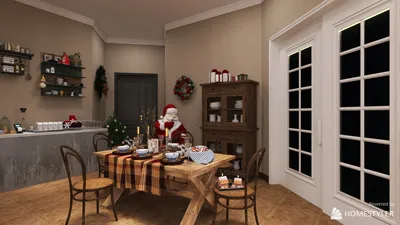


When it comes to Halloween styling, I think of it as a small theatrical masterpiece, encompassing a dynamic theme, diverse lighting, well-planned acoustics, tactile elements, and smooth flow throughout the space. Achieving a home that feels both eerie and inviting relies heavily on balancing the sensory experience rather than just accumulating a plethora of decorations. Utilizing tools like Homestyler can help visualize your space effectively before the event.
Lighting plays a crucial role in establishing the atmosphere. According to WELL v2 guidelines, it’s advisable to minimize glare and manage luminance contrast to alleviate visual strain. This is especially important for guests moving from bright outdoor spaces to the darker, atmospheric interiors. The Illuminating Engineering Society suggests an ideal ambient light of around 150–300 lux for residential spaces; however, for Halloween festivities, I often lower ambient lighting in social spaces to 50–100 lux while showcasing focal decorations at about 200–300 lux to ensure visibility of faces and safe pathways. Research by Steelcase supports that clear pathways and identifiable visual markers facilitate navigation and reduce stress when people move through a newly arranged home.
The psychology of color is also significant. As noted by Verywell Mind, the color red can evoke feelings of excitement and urgency, green may create an unsettling effect under cool lighting, whereas blue-violet brings a mysterious ambiance. I adjust colors through light temperature: I use warm light (2200–2700K) for a nostalgic glow, cool light (4000–5000K) for a more clinical horror theme, and vibrant gels on LED spotlights for thematic color casts. It's important to ensure that skin tones remain flattering by avoiding green washes in areas where guests congregate.
Theme and Narrative: Crafting a Cohesive Experience
Choose a single narrative—be it a Victorian séance, a mystical library, or an abandoned carnival—and allow it to guide your decisions. I design a straightforward flow: arrival, revelation, engagement, and departure. Position your reveal elements (like mirror illusions and animated props) strategically where traffic naturally consolidates, such as at the thresholds of hallways or landings. If you're rearranging furniture to create scenes or narrow 'scare corridors,' a useful space layout planner can help you quickly evaluate circulation, sight lines, and safety escapes.
Lighting Design: The Role of Shadow, Contrast, and Safety
Incorporate three lighting types: ambient (soft, warm background), accent (highlighting props), and practical lighting (task illumination for areas like kitchens and stairs). Strive for gentle shadow edges by using diffused light sources; harsh lighting can be effective for dramatic silhouettes but may cause glare. Conceal LED strips beneath stair treads, behind drapery, or within bookshelves to create a halo effect around objects. Utilize battery-operated candles with a high color rendering index for a realistic flame appearance, arranging them at varying heights for visual interest. Outdoors, illuminate steps and grade changes with low-glare path lights, considering that guests dressed in costumes may have impaired peripheral vision.
Acoustic Atmosphere: Creating Engaging Soundscapes
Sound enhances narrative. Create different zones: subtle ambient noises like wind for the entryway, playful tracks near candy stations, and deeper bass sounds for haunted hallways. Keep sound levels comfortable for interaction—ideally around 70–75 dB. Position speakers strategically to prevent dead spots; utilize wall and ceiling reflections to envelop the space. Small transducers cleverly hidden within props can offer localized auditory surprises, but it’s wise to limit low frequencies near windows and thin walls to avoid rattling.
Material Palette: Texture and Safe Surfaces
Halloween thrives on a variety of textures—think velvet, burlap, rustic wood, crinkled foil, and gauzy fabrics. Combine matte and glossy finishes to create visual depth; glossy black can appear liquid-like under certain lighting, while matte surfaces absorb and soften highlights. Opt for flame-retardant materials for draping, keeping any flammable decorations away from heat sources. For guest safety, ensure pathways feature non-slip runners and secure all cables with gaffer tape and covers.
Spatial Ratios: Forming Compelling Vignettes While Maintaining Flow
Consider spatial dimensions: allocate 60% negative space to 40% decorated areas in circulation zones to prevent congestion. In more intimate gathering spaces, adopt a roughly 50/50 balance so that displays are rich yet accessible. Ensure pathways remain at least 32–36 inches wide to allow for effortless movement. Position focal props at eye level, around 42–48 inches for adults or lower for children's engagement. Alternating taller and shorter elements will add vertical rhythm and keep the sightlines interesting.
Entry Experience: Establishing the Initial Impression
Create an inviting yet suspenseful entryway: use dim uplighting to highlight architectural features, a subtle fog effect below knee height, and one active element (like a swaying lantern or shadow puppet). A warm light on door hardware encourages interaction, while cooler lighting near the sides hints at surprises inside. Ensure the door threshold remains brightly lit to prevent any missteps—aim for a narrow beam of 300–500 lux.
Living Room: The Social Hub of Haunting
Center your space around a compelling narrative point, such as a séance table, a faux specimen cabinet, or a shadow wall. Arrange seating in a loose U-shape for six to eight people, maintaining 36-inch gaps for movement. Use picture lights to illuminate framed 'haunted portraits' and pinspots to define conversation areas. Introduce subtle scents—like cedar, smoke, or clove—but refrain from overwhelming fragrance combinations. Provide a clear area for drinks with brighter task lighting to reduce spills.
Hallway and Stairs: Managing Suspense Effectively
Hallways serve as ideal spaces for pacing tension. Narrow illumination combined with sidewash lighting creates an immersive tunnel effect; incorporate sporadic sound cues triggered by motion detection. On staircases, integrate LED strips or markers on treads, ensuring handrails are unobstructed for safety. Avoid hanging decorations at head height; reposition them to alcoves or landings for safe surprises.
Kitchen and Treat Stations: Ensuring Brightness and Hygiene
In food preparation areas, elevate ambient lighting to 300–500 lux using high CRI fixtures. Soften any stainless steel gleam with warm accents. Clearly label allergens and organize foot traffic with designated entry and exit paths. Keep hot appliances distanced from decorative textiles and ensure all cords are neatly tucked away.
Kid-Friendly Environments: Fun Rather Than Frightening
For Halloween gatherings aimed at families, prioritize whimsical elements over horror. Utilize soft music, friendly characters, and interactive stations—like pumpkin painting or glow-in-the-dark treasure hunts—to maintain engagement. Be mindful with cooler colors, as blue-violet can feel overwhelming in confined spaces; greens with warm backlighting create a playful atmosphere.
Outdoor Appearance: Striking Yet Subtle
Illuminate trees with focused uplighting to highlight canopies, Silhouette inflatables or cutouts behind scrims for an intriguing effect. Ensure cable arrangements are neat and rated for outdoor use. When using fog machines, direct the mist along the ground with airflow to prevent saturating porches, which can lead to slip hazards.
DIY Decorations: Quick and Impactful
For a mirror illusion, use a two-way film on a frame with side lighting, creating ghostly appearances. A bookcase with a hidden back can allow for concealed lighting and sound elements. For shadow puppetry, a backlit scrim combined with moving shapes can deliver classic scares at low costs. Magnetic mounts can facilitate easy removal after the event.
Safety Checklist: Strategic Risk Management
- Ensure exits are visible and unobstructed; use low-glare lights to indicate secondary egress points.
- Confirm extension cords are properly rated and avoid daisy-chaining them together.
- Secure tall props to walls or ceilings for safety.
- Opt for battery-powered flameless candles for open displays.
- Provide a well-lit ‘reset’ area for guests needing a moment away from the excitement.
Budget Considerations: Allocate Funds Wisely
Invest in impactful lighting and a handful of standout props; utilize fabric, paper, and paint to complete the scenes. Reuse structural elements—such as arches, scrims, and risers—season after season. Utilize modular storage bins with labels for a smooth teardown process.
Resource Links
For guidelines on lighting and wellness design, check out IES standards and explore WELL v2: IES lighting guidelines and WELL v2 overview.
Frequently Asked Questions
Q1: How dim can I make my living room for that spooky effect?
A: Maintain ambient light levels around 50–100 lux, with focused accents at 200–300 lux to ensure safe navigation while enhancing the atmosphere.
Q2: What color temperatures are best suited for Halloween themed areas?
A: Warm lighting between 2200–2700K creates a nostalgic candle-like glow; 4000–5000K induces a more clinical, eerie effect. Incorporate saturated gels as accents without overfilling the areas.
Q3: How can I reduce glare for guests wearing masks?
A: Use diffused lighting sources, shield bulbs, and position lights away from eye level. Ensure contrast but refrain from using direct point sources near sightlines.
Q4: Any advice on creating immersive sound without overwhelming guests?
A: Establish audio zones, keep the peak levels around 70–75 dB, and utilize reflected sound for an enveloping effect. Small speakers hidden within props can provide localized sounds and reduce heavy bass effects.
Q5: What is the safest way to use fog indoors?
A: Keep fog effects low, ventilate periodically, and avoid over-saturating stairs and thresholds. Water-based fog machines tend to leave minimal residue; refer to manufacturer guidelines for best practices.
Q6: How can I efficiently plan my layout before moving furniture around?
A: Utilize a room design visualization tool to digitally experiment with traffic flow, visibility, and emergency egress before rearranging your space: interior layout planner.
Q7: Which materials are best for draping and props?
A: Choose flame-retardant fabrics, lightweight structures, and non-slip runners for floors. Mixing matte and glossy elements helps control reflections under directional lighting.
Q8: How can I ensure the treat stations are hygienic and efficient?
A: Brighten these areas to 300–500 lux, separate entry and exit paths, clearly tag allergens, and keep hot equipment away from decorative fabrics.
Q9: What width should paths maintain for safe navigation?
A: Aim for a minimum width of 32–36 inches in residential corridors and between furniture, with wider spaces near bottleneck points like stairs and doorways.
Q10: Any alternative scare tactics suitable for kids?
A: Incorporate interactive experiences, gentler music, and character-driven setups. Favor warm colors and soft motion effects over sudden fright—keeping it fun instead of frightening.
Discover the ease of home design with Homestyler! This user-friendly platform offers an intuitive online design tool, stunning 3D renderings, and an array of inspiring design projects. Plus, you can learn through engaging DIY video tutorials. Transform your space effortlessly today!
Design Now for FREE
































