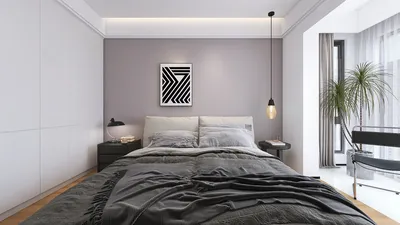


Grey tiles offer a contemporary backdrop that harmonizes tranquility, strength, and aesthetic elegance. In living spaces, they serve as a cohesive base—integrating light, materials, and furnishings into a synchronized design flow. Throughout my ten years of experience, grey has proven to be versatile; it softens vibrant color pops, enhances wood textures, and complements both natural sunlight and artificial illumination. The neutrality of grey resonantly aligns with modern wellness and human-centric design philosophies—particularly when connected to lighting quality, sound comfort, and mindful material choices.
Research supports this design philosophy. The WELL v2 framework highlights essential aspects like balanced lighting, glare management, and effective color rendering to promote occupant comfort and circadian support; well-adjusted lighting enhances spaces featuring neutral tones such as grey, ensuring the environment avoids monotony and visual strain (for detailed guidance, visit wellcertified.com). Data from Steelcase indicates that environments designed for focus and rejuvenation can enhance cognitive function and well-being; grey flooring, in combination with layered lighting and sound-absorbing fabrics, establishes a nurturing setting for multifunctional living rooms (refer to steelcase.com/research). These findings emphasize the effectiveness of grey tile interiors when executed with attention to detail, aligning light, acoustics, and behaviors with genuine human requirements.
The psychology of color also plays a significant role. According to Verywell Mind, greys symbolize balance, sophistication, and neutrality, effectively minimizing visual clutter while fostering a serene atmosphere—this is especially beneficial in open living spaces where various activities take place simultaneously. The key lies in pairing grey with warmth, contrast, and rich textures: consider subtle veining, a matte finish to diminish glare, and varied lighting to create depth.
Establish Your Foundation: Selecting the Ideal Grey Tile
Begin by considering undertones. Cool greys, featuring blue or green hues, are ideal for north-facing rooms or modern, glass-laden designs; warm greys, with brown or taupe undertones, provide stability in south-facing areas and complement woods like oak, walnut, and brass. For improved slip resistance and glare management, choose matte or lappato finishes in living spaces; honed surfaces help mitigate reflections from overhead lighting. Tile dimensions also influence spatial perception—using 24x48 inches (or 60x120 cm) large-format porcelain makes small rooms feel larger, whereas 24x24 inches maintains a steady rhythm in medium-sized areas. Reducing grout joints to 2–3 mm with a color-matched grout ensures a seamless look that characterizes contemporary grey design.
Put Light First: Layering Illumination That Enhances Grey
Under inadequate lighting, grey flooring can seem lifeless. Aim for a multi-layered lighting strategy: ambient (overall), task (reading/work), and accent (highlighting decor). Adhere to the Illumination Engineering Society (IES) recommendations for living areas: around 100–300 lux for ambient light, complemented by task lighting reaching 300–500 lux at seating spaces for reading. Utilize 2700–3000K lighting during evenings for warmth; during active hours, increase to 3500–4000K with tunable white lighting systems. Protect light sources to minimize glare on matte tiles, and employ wall washers to illuminate vertical surfaces—our eyes naturally perceive brightness from walls more than floors, keeping the grey ambiance purposeful and vibrant.
Designing Layout: Flow, Zones, and Proportions
Grey tiles act as a neutral stage for creating zones without visual overload. Position a rug above the tiles to ground your seating arrangement, and orient couches and lounge chairs around a central coffee table, allowing an 18-inch gap for movement. Ensure circulation pathways around the primary area maintain a width of 36–42 inches. In open-concept spaces, angle the seating towards a route for a sense of psychological separation. When experimenting with furniture arrangements or rug dimensions, consider using a layout simulation tool to visualize different pathways and proportions before making purchases—tools like the room layout planner can facilitate quick adaptations.
Managing Acoustics: Softening the Sound of Hard Surfaces
Porcelain and stone-like tiles can amplify sound, so it’s important to counteract reverberation with layered fabrics: a plush rug (wool or recycled PET), full-length curtains, upholstered seating featuring high-resilience foam, and acoustic wall treatments as necessary. Incorporate bookshelves with varying depths to function as passive sound diffusers. If your setup includes a media wall, consider adding a perforated wood panel with acoustic backing behind the TV to manage echo. This careful planning helps maintain clear conversation and crisp audio during movie nights without harsh tones.
Color Combinations: From Monochrome to Warm Contrasts
In a monochrome scheme, stack shades: light grey tiles, a medium grey sofa, black metal accents, and charcoal trims—then introduce a single tactile counterpoint like boucle or ribbed velvet to avoid a sterile feel. For warming up the ambiance, pair warm-grey tiles with cognac leather, oiled walnut, and aged brass. For a soft, Scandinavian aesthetic, mix pale greys with bleached oak, linen, and matte white—a subtle palette that presents beautifully in photographs. Accent colors, such as deep forest green, muted terracotta, and inky blue harmonize well with grey, avoiding the fleeting trends.
Texture and Patterns: Introduce Subtle Movement
Stone-look porcelain with gentle veining can introduce movement without overwhelming the space. In compact areas, avoid bold marble veining that disrupts the floor’s visual flow. A herringbone or chevron tile layout can visually widen narrow rooms, yet strive to keep the grout tone aligned with the tile color to promote harmony. If there’s a distinctive wood grain featured on walls or furnishings, select a more restrained tile texture to maintain a clear visual hierarchy.
Furniture and Proportions: Prioritizing Human Factors
Align seating depth with user engagement: a depth of 20–22 inches is ideal for seated discussions; 24–26 inches works for relaxed, movie-watching postures. Coffee tables should be low, approximately 1–2 inches beneath seating height and about two-thirds the length of the sofa. Side tables should ideally be 2–3 inches below arm height for intuitive reach. Maintain visual proportion—heavier, darker furniture should be balanced by lighter rugs to elevate the center of the room; if a dark rug is selected, pair with lighter upholstery to prevent a weighed-down appearance.
Daylight Control: Addressing Glare, Privacy, and Heat
Grey tiles beautifully enhance light beams, yet it’s vital to manage glare using layered window treatments—sheers for diffusion, blackout options for movie nights, and adjustable slats for solar regulation. Opt for matte tiles, which help diminish glare compared to glossy finishes, particularly near windows. Thoughtful plant placement can assist as well: broadleaf plants in corner spaces soften reflections and enhance the biophilic atmosphere.
Fireplaces and Feature Walls: Material Interaction
In spaces featuring a fireplace, running the same grey tile up the surround establishes a cohesive anchor, or you can pair it with textured plaster closely matching in color. Blackened steel ledges contribute a sleek architectural line against the grey—a detail that elevates the room’s curation without overwhelming the overall design.
Technology and Wiring: Accessible Yet Discreet
Plan the placement of electrical outlets and data connections early in the design process. Concealed floor boxes under the coffee table provide convenient access to charging without cables obstructing pathways. If a TV is wall-mounted, be sure to route power and HDMI conduits behind the finishing layers. Integrating dimmable circuits allows for independent control of ambient, task, and accent lighting; tailored lighting scenes for reading, entertaining, and movie nights can be incredibly beneficial.
Sustainability and Upkeep
Porcelain tiles are not only durable but also low in VOC emissions when installed with suitable adhesives, and they are easy to maintain. Choose grout with stain-resistant properties, and carefully seal movement joints to ensure longevity. If you desire warmth underfoot, consider pairing porcelain tiles with radiant heating; the thermal mass will perform efficiently and provide comfort during winter evenings.
Strategies for Small Spaces
Employ large-format light grey tiles to create an illusion of expanded space, extending tiles into adjoining areas for a cohesive look while keeping baseboards slim and painted to match the walls. Limit your color palette to three neutral tones plus one accent to minimize visual chaos. Strategically placing mirrors across from windows helps reflect daylight onto vertical surfaces instead of the floor.
Styling: The Final Touches
Opt for one large art piece instead of a series of smaller frames. Introduce an organically shaped coffee table to break the monotony of the tile’s rectilinear pattern. Use books, ceramic vessels, and soft throws for seasonal comfort. Incorporating fresh greenery adds softness and warmth to counteract the coolness of grey; consider plants such as olive trees, rubber trees, or cascading pothos to maintain an inviting atmosphere without overcomplicating the design.
Frequently Asked Questions
Q1: Which grey tile finish is optimal for living rooms?
A matte or honed porcelain finish is ideal—offering reduced glare, good traction, and an elegant appearance under diverse lighting conditions. A semi-polished (lappato) finish can introduce a subtle sheen without reflections akin to mirrors.
Q2: What lighting intensity targets should I aim for to prevent grey tiles from appearing flat?
Implement a layered lighting strategy with ambient lighting around 100–300 lux and task lighting at 300–500 lux to accommodate reading. Warmer color temperatures (2700–3000K) during evenings contribute to comfort and depth.
Q3: Do grey tiles contribute to a cooler room feel?
They can appear so if combined with cool lighting and minimal textures. Counterbalance with warm metal finishes, wooden tones, textured layers, and warm white lighting; integrating plants offers an organic contrast.
Q4: How can I mitigate echo in a tiled living space?
Incorporate a thick area rug, full-height curtains, upholstered seating, and bookshelves for sound absorption. Consider adding acoustic panels or fabric-covered sections near media zones to absorb reflections.
Q5: Should I opt for large-format or smaller tiles?
Large-format tiles (24x48 inches or 60x120 cm) lessen grout lines, which can make an area feel more expansive. Conversely, smaller tiles may add pattern in larger rooms but can create visual busyness in compact spaces.
Q6: What rug colors complement grey tiles best?
Warm neutrals such as oatmeal, taupe, and camel along with muted patterns are suitable. If the design palette is subdued, consider a deep green or indigo rug for dynamic contrast.
Q7: Can grey tiles be effectively utilized in an open-plan living-dining area?
Absolutely—use the same tiles throughout for cohesiveness, then define the living space with a rug and varied lighting strategies. A planning tool can aid in assessing layouts prior to making a commitment: consider using an interior layout planner to iterate designs using a room visualization tool.
Q8: What grout color should I choose?
Match the grout to the tile shade for a unified look. Choosing a contrasting grout can offer a graphic effect but may disrupt the visual flow in smaller rooms.
Q9: Are grey tiles suitable for family-friendly spaces?
Porcelain is scratch-resistant and simple to maintain. Opt for mid-grey shades to conceal everyday dust and pair with stain-resistant grouts for practicality.
Q10: How can I incorporate smart lighting systems within grey tile environments?
Utilize dimmable circuits and tunable white fixtures to adapt lighting from day into night. Scene controls help strike a balance between atmosphere and functionality—whether entertaining, reading, or movie watching.
Q11: Do polished grey tiles tend to show footprints?
Yes, they are more prone to showing dirt than matte options. If you prefer a polished finish, select a subtle texture or pattern to help mask footprints while maintaining a regular cleaning schedule.
Q12: Which accent colors are timeless when paired with grey?
Elegant choices include deep shades of green, terracotta, navy, and muted blush. Complementing these with walnut or oak furnishings and brushed brass accents creates warmth that transcends trends.
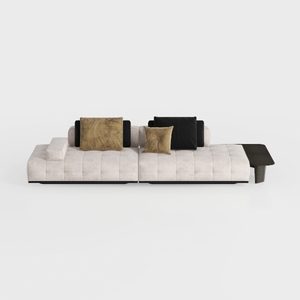
Modern Minimalist Tufted Fabric Sectional Sofa with Side Table 3D Model

Washington Nightstand, Two Large Drawers, 18" High

Transform your home design dreams into reality with Homestyler! This user-friendly online platform features an intuitive design tool, stunning 3D renderings, and an array of inspiring design projects. Plus, you can enhance your skills with DIY video tutorials. Perfect for both beginners and pros alike!
Progetta ora GRATIS
































