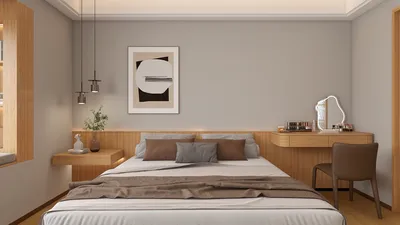


Gray wallpaper serves as a perfect foundation for a living room, elegantly tying the space together while allowing other elements to shine. Ranging from gentle dove shades to deep charcoal, the appropriate gray can effectively frame artwork, harmonize colors, and create a mood that transitions smoothly from day to night. In my design projects, gray acts as a subtle framework, enabling furniture, lighting, and personal accents to stand out distinctly.
The principles of color psychology support this function: neutral gray tones reduce visual distraction and enhance the visibility of accent colors, fostering a sense of order and tranquility. According to Verywell Mind, softer grays are typically linked to sophistication and balance, especially when complemented with warm textures or contrasting highlights. Lighting plays a critical role as well; the Illuminating Engineering Society recommends maintaining a baseline light level of 150–300 lux for living rooms, with task lighting reaching 300–500 lux—this is vital since gray walls can absorb light depending on their finish. I utilize these benchmarks to determine whether a matte or satin finish will effectively diffuse light without causing glare.
Our perception of gray is influenced by human factors throughout the day. Research by Steelcase shows that ambient conditions—such as light, sound, and visual complexity—can significantly impact cognitive comfort and recovery; a thoughtfully balanced color scheme reduces mental strain and nurtures restorative experiences at home. When designing a living room that evolves from lively to tranquil, I advocate for a layered approach to gray: a soothing mid-tone backdrop, inviting soft furnishings, and lights at various heights to create warmth and brightness in both social areas and quieter corners.
Finding the Right Shade: Understanding Gray Undertones
Begin by identifying undertones. Cool grays, featuring hints of blue or green, effectively sharpen contemporary lines and are well-suited for stainless steel, glass, and clean white detailing. In contrast, warm grays (such as greige or taupe) beautifully soften traditional settings and blend seamlessly with oak, brass, and linen. I typically sample three different shades on the largest wall and observe them throughout the day; what seems stylish at noon may appear muted by dusk if the undertone clashes with the natural light present.
Consider the Finish: Explore Matte, Satin, and Textured Options
Matte gray wallpaper minimizes glare—especially beneficial in areas with abundant daylight—while satin or silk-effect designs can invigorate dimmer spaces, providing just enough reflectivity to maintain liveliness. Textured weaves and materials like grasscloth introduce micro-shadows that add dimension without overwhelming the senses. It's also crucial to consider acoustics: wallpapers crafted from fibrous materials and fabric-backed vinyl can softening high-frequency sounds, creating a more comfortable auditory environment during conversations.
Pattern Scale: From Subtle Motifs to Striking Geometrics
The scale of patterns dictates the energy of the space. Subtle herringbone or linen-like designs promote a peaceful ambiance; medium-scale abstract patterns bring in movement; while large geometric prints can serve as a stunning focal wall behind your sofa. I like to align pattern density with the shapes of furniture—if your sofa has strong, defined lines, opt for a more subdued pattern to prevent the room from feeling over-cluttered. On the flip side, a softer, rounded seating design can support a more graphic wallpaper without creating visual tension.
Lighting First: A Layered Approach for Gray Spaces
By applying IES guidelines, you can effectively map out ambient, task, and accent lighting layers. Ambient lighting includes overhead fixtures or concealed coves targeting approximately 200 lux. Task lighting, such as reading lamps positioned near seating, should achieve around 300–500 lux, while accent lights should illuminate artwork and textured wallpaper at 75–150 lux to sculpt shadows beautifully. Color temperature also plays a vital role—ranges between 2700–3000K create a warm and inviting atmosphere, while 3000–3500K amplifies the cool grays without a sterile feel. Employing dim-to-warm technology aids in transitioning a gray room smoothly from daytime brightness to evening comfort.
Create Contrast: Charcoal and Crisp Whites
When using mid-gray wallpaper, incorporate high-contrast features such as a charcoal fireplace surround, dark metal frames, or a deep-toned credenza to anchor the design scheme. Then, brighten trims and ceilings with white hues that carry a hint of warmth, avoiding stark blue-whites to ensure faces and art remain inviting. Establishing contrast contributes to visual rhythm; I strive for a 60/30/10 ratio—60% base gray walls and large rugs, 30% secondary tones (such as natural woods or soft colors), and 10% high-contrast accents.
Add Warmth: Focus on Materials and Texture
Gray can exude a sense of luxury when combined with warm, tactile materials. Incorporate elements such as oak, walnut, boucle textiles, wool throws, and brass or aged bronze accents. A ribbed gray wallpaper positioned next to a plush velvet sofa introduces enough texture variation to achieve an opulently layered look. If sustainability is a key consideration, seek out wallpapers made from recycled content or those with low-VOC backings; Material Connexion offers a plethora of eco-friendly options that merge durability with responsible resource use.
Experiment with Color: Accents that Shine Against Gray
Gray acts as a perfect canvas for color. Deep navy provides a rich contrast, soft blush imparts warmth, muted olive connects to nature, and vibrant saffron brings energy without being overwhelming. I usually concentrate color in two or three cohesive areas—most often through pillows, a standout chair, and artwork—so the eye perceives intention rather than randomness. The insights from Verywell Mind on color psychology emphasize that harmonizing contrasting hues can enhance emotional well-being; pairing cool gray with a warm accent family achieves this balance.
Design Layout and Sightlines: Optimize Gray Spaces
Prior to selecting a feature wall, assess traffic flow and points of focus. If your space has numerous entryways, consider a patterned gray wall behind the sofa to anchor the view from different angles. In open-concept arrangements, soft gray can effectively delineate the living area without the need for hard barriers. Experimenting with furniture arrangement and sight lines can be aided by a room layout tool like Homestyler, which simulates scale and movement within the context of your layout.
Feature Wall Strategy: Subtle Drama in Design
Apply darker or more intricate gray wallpaper on the wall furthest from natural light to avoid an overpowering appearance. Complement this with lighter gray shades on other walls. Incorporate vertical elements like tall bookcases or fluted panels to create the illusion of height. In spaces with low ceilings, choose vertical stripes or ombré effects that draw the eye upwards; for rooms with significant height, wider horizontal patterns can foster a more intimate atmosphere.
Art, Mirrors, and Styling Against Gray Tones
Matte gray backdrops allow artwork to take center stage. Utilize float frames with generous white borders for added clarity, or opt for a salon-style arrangement with mixed sizes for warmth. Mirrors enhance light but be cautious regarding glare: position them to reflect diffused light instead of direct lamp rays. Layer styling pieces—ceramic, wood, and metal—ensuring that the finishes are harmonious. I recommend editing tightly to allow surfaces to breathe; gray rewards a minimalist approach.
Ergonomics and Comfort: Achieving Flow and Accessibility
To encourage visual calm, it’s critical to prioritize physical comfort. Ensure seating heights are uniform (ranging from 16 to 18 inches), place side tables within easy reach (20 to 24 inches in height), and maintain clear pathways measuring 30 to 36 inches. Position task lighting slightly ahead and above shoulder level for reading, while avoiding shadows. These subtle ergonomic considerations significantly enhance the livability of a space adorned in gray.
Upcoming Trends for 2024-2025: Embracing Soft Modernity, Natural Hues, and Subtle Luxury
Clients are increasingly drawn to softer modern palettes featuring layered grays combined with natural wood textures, boucle, and stone accents, punctuated by individual bold elements, such as a sculptural lamp or a brightly colored chair. Wallpaper trends appear to gravitate towards textural plains, delicate metallic threading, and understated geometric patterns, all designed to photograph well both in natural and warm evening light. Ultimately, gray continues to serve as the connective color that integrates these diverse elements without commandeering the narrative.
Avoid These Common Mistakes
- Selecting a gray shade without testing it against your actual lighting conditions; the difference between morning and evening can be substantial.
- Overusing mirrors, which may exacerbate glare, particularly on satin wallpapers.
- Incorporating too many conflicting patterns within a single sight line.
- Disregarding accent lighting layers, as neglecting this can leave gray walls feeling flat and uninspiring.
- Forgetting to introduce tactile warmth by using at least two richly textured materials.
Frequently Asked Questions
Q1: Which gray undertone is ideal for a north-facing living room?
A warm gray, with hints of greige or taupe, balances the cooler daylight that penetrates north-facing rooms, preventing the space from feeling frigid.
Q2: What brightness should my living room lighting achieve with gray wallpaper?
Aim for ambient light levels between 150 and 300 lux, with 300 to 500 lux for reading or specific tasks, as advised by the IES. Utilize dimmers to adjust the ambiance from day to night.
Q3: Does textured gray wallpaper contribute to better acoustics?
Yes, textured, fibrous wallpapers can help mitigate high-frequency reflections, enhancing conversational comfort, particularly when used alongside rugs and upholstered furniture.
Q4: Which colors work best with cool gray?
Navy, emerald green, and crisp white retain clarity; brass or walnut elements introduce warmth without conflict. It’s wise to maintain tighter accent families to minimize visual noise.
Q5: How can I prevent gray from appearing flat?
Incorporate diverse textures (such as boucle, velvet, and ribbed wallpaper), utilize layered lighting, and introduce contrast with charcoal accents and warm metallics.
Q6: Is satin-finish wallpaper advisable?
Satin is beneficial in low-light settings, as it can elevate the ambiance. However, to avoid direct glare, consider shielding bulbs and using diffusers; for very bright areas, matte is often preferable.
Q7: Where is the best location for a feature wall?
Position impactful gray wallpaper on the wall opposite the primary source of daylight or behind the main seating area to stabilize the visual focus. Always test pattern scale from different entry points.
Q8: Can gray create a biophilic atmosphere?
Absolutely. Combine soft gray wallpaper with natural wood features, greenery, stone accents, and warm lighting (2700–3000K) for a cohesive connection to nature.
Q9: What rug color complements mid-gray walls?
Light hues like ivory or oatmeal maintain brightness in the room; charcoal creates grounding. Additionally, patterned rugs in soft tones introduce movement without overpowering the gray.
Q10: How can I select artwork for gray walls?
Opt for generous white matting and frames that harmonize with your metallic finishes (black or brass). Gray enhances the clarity and vibrancy of rich colors in artwork.

Modern Contemporary Dark Wood Gold Accent TV Stand 3D Model

Modern Marble Top Solid Wood Console Table With Decorative Accents 3D Model


Modern Dark Green Velvet Extra Large Sofa With Decorative Throw Pillows 3D Model
Transform your home with Homestyler! This user-friendly online design platform features a powerful design tool, stunning 3D renderings, and a wealth of DIY video tutorials. Dive into countless design projects and bring your creative visions to life effortlessly!
Design Now for FREE
































