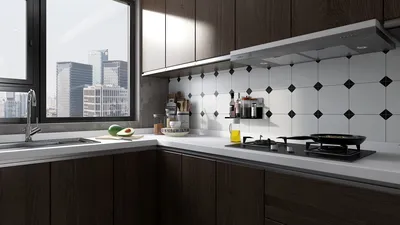


In a previous project, I decided to paint a studio apartment entirely in a single gray hue, inspired by my client’s love for Scandinavian decor. Midway through, I realized it resembled living inside a cloud! This experience taught me that gray must have context, including proper lighting, texture, and scale planning. In fact, working within small spaces often ignites significant creativity. Here are five effective strategies I employed to enhance that studio—and preserve my reputation. If you enjoy sketching layouts, like I do, you'll see how an approach tailored for small spaces can revolutionize the outcome.
1. Experiment with Undertones
Gray doesn’t truly function as a neutral unless you select the appropriate undertone—whether it be cool blue, warm taupe, or hints of green, each will react differently with light. I suggest testing three paint samples on various walls at different times during the day; a small investment that can save you from an expensive repainting decision. A well-chosen undertone can emphasize your furniture and artwork beautifully, though it requires patience during the selection process.
save pin
2. Implement a Two-Tone Wall
Consider splitting a wall either horizontally or vertically: a darker gray on the bottom and a lighter shade above, or an accent wall painted in a deep charcoal. Once, I utilized a dark gray at the bottom of a narrow hallway, and it managed to visually anchor the space without making it feel cramped. This tactic is budget-friendly—requiring just two paint cans and some strategic tape—although achieving clean lines necessitates precision and possibly a light sanding.
save pin
3. Incorporate Textured Finishes
Texture is one of my key tactics: using matte plaster, subtle limewash, or a soft faux concrete finish infuses depth without overwhelming color. I once recommended a limewash over gray in a compact kitchen to disguise fingerprints while adding warmth; surprisingly, it outlasted my expectations and made cleaning a breeze. Although you may face slightly higher labor costs for textured finishes, the visual interest and the ability to mask imperfections are well worth it.
save pin
4. Ground the Design with Wood and Warm Metals
Gray tends to pair well with warmer elements—oak tones, brass hardware, and leather create a lovely contrast that adds coziness to your atmosphere. I frequently match mid-tone gray walls with light oak cabinets in smaller apartments to prevent the cold, clinical vibe gray can sometimes emit. A practical tip: always test the hardware against your paint swatch to determine if the metallic finish complements your chosen gray.
save pin
5. Embrace Monochrome with Contrasts
A monochrome scheme utilizing varying shades of gray offers an elegant ambiance and surprisingly spacious feel when layered with diverse finishes—glossy trim, matte walls, and patterned textiles. For tighter budgets, a single neutral paint alongside varying textiles can achieve the needed depth. If you’re contemplating kitchen modifications, I make it a point to harmonize the wall gray with kitchen layout suggestions to ensure a cohesive look between cabinets and countertops, avoiding clashes.
save pin
FAQ
Q: What is the best gray for small spaces?
I typically prefer light grays with warm undertones in compact areas since they bounce light around and add warmth without appearing dingy. It’s crucial to test paint swatches at various times during the day to see how they look.
Q: What’s the best way to discern undertones?
Hold the swatch up against white trim in natural light—blue undertones will feel cooler, while brown and taupe hints will project warmth. Taking photos in different light conditions can help with comparison.
Q: Which paint finish is ideal for gray walls?
Matte or eggshell finishes help to conceal wall imperfections and highlight gray effectively, while satin is practical for high-traffic areas due to ease of cleaning. Use satin in those spaces where durability is essential, reserving matte for living areas and bedrooms.
Q: Can gray give a room a smaller impression?
It can indeed if it’s excessively dark or lacking depth; balance this by incorporating brighter trim, mirrors, or layered lighting to expand the visual space. Contrasting treatments on floors or ceilings can also enhance perceived height.
Q: Any tips for staying within budget?
Opt for a single gray wall and enrich the design with textiles, cushions, and rugs. Switching soft furnishings seasonally is more economical than repainting. Utilize tester pots for vigilant swatch trials before making a commitment.
Q: How should I prepare walls before applying gray paint?
Ensure surfaces are clean, patch any imperfections, and prime as necessary—gray highlights unevenness more than mid-tones. A tinted primer matching your chosen gray will reduce the number of topcoats you’ll need.
Q: Does the use of gray affect resale value?
Neutral shades of gray are generally safe bets for resale, appealing to a wide range of potential buyers when paired with timeless finishes like white trim and warm wood accents. Maintain a more neutral palette and steer clear of overly trendy grays for long-lasting versatility.
Q: Where can I find professional advice on selecting gray shades?
Reliable paint manufacturers often provide comprehensive guidance. Sherwin-Williams, for instance, offers extensive resources on gray undertones and how they interact with light, which I frequently consult (see their insights at https://www.sherwin-williams.com/).
save pin
Discover your dream space with Homestyler! This user-friendly online home design platform offers an intuitive design tool, stunning 3D renderings, and a wealth of DIY video tutorials. Whether you're a beginner or a pro, Homestyler helps you transform your ideas into reality effortlessly!
Zaprojektuj teraz za darmo
































