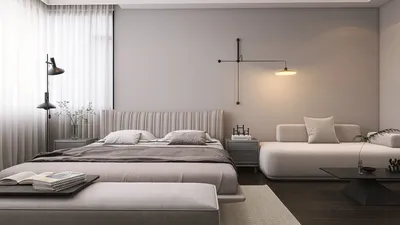


In the past, I attempted to persuade a client that incorporating a flamingo-pink feature in their neutral living room would exude a sense of "subtle rebellion" — a notion they ultimately rejected. This experience taught me that when it comes to living spaces, shades like gray and tan reign supreme as the true peacemakers. My journey through small spaces has shown me how a serene color scheme can cleverly conceal a multitude of imperfections, such as mismatched furniture, awkward room layouts, and my occasional enthusiasm for bold patterned throw pillows.
1. Layered Neutrals Combined with Warm Wood
I enjoy blending cool grays with warm tan leather and oak to achieve a comfortable, curated aesthetic. This combination not only conveys sophistication but also a welcoming ambiance; however, it's crucial to avoid a flat, monochromatic appearance. You can achieve this by incorporating various textures, like a boucle chair, matte plaster walls, and a jute rug. For effective layout planning, utilize a straightforward sectional to create a focal point for seating and ensure unobstructed sightlines; I recently applied this technique in a small apartment renovation, resulting in satisfied homeowners who appreciated the flexibility.
save pin
2. Soothing Gray Walls with Tan Highlights
Transform your walls with a soft dove gray paint and introduce tan elements through curtains, cushions, and a standout armchair. This approach illuminates the space in a more subtle way than white, while still maintaining warmth. One important note: lighter gray tones can appear cold in north-facing rooms, so consider adding gold or brass fixtures to infuse warmth. If you're looking to visualize different layouts quickly, employing a dependable room planning software can help you arrange furniture effectively before making a purchase. I often utilize digital sketches to prevent costly errors.
save pin
3. Dramatic Contrasts Featuring Charcoal and Camel
To achieve a more striking aesthetic, establish the foundation of the room with charcoal elements, such as a coffee table or media unit, and pair them with camel leather and tan textiles. This contrast not only enhances depth and drama but also keeps the overall look calm and neutral. It's a popular choice among homeowners desiring a sophisticated atmosphere without starkness; just ensure at least one item is soft, like a plush tan rug, to soften the overall vibe.
save pin
4. Pattern Mixing in Gray and Tan
Combine subtle patterns: a geometric gray wallpaper behind the sofa, striped tan cushions, and a patterned rug can add visual interest without overwhelming the space. This strategy lends character to the room; the only challenge is balancing scale—ensure patterns differ in size to prevent conflict. On one occasion, I coordinated a large-scale floor design with smaller cushion patterns, resulting in a casually curated feel reminiscent of an art gallery you can relax in.
save pin
5. Minimalist Scandinavian Style
With clean lines, light gray walls, and light tan leather accents, this design creates a tranquil sanctuary. This aesthetic is particularly effective in smaller living rooms where simplicity can be more impactful. However, light fabrics may require extra maintenance, and the space risks feeling too sparse; introduce one statement piece and layered lighting to bring a sense of warmth.
save pin
FAQ
Q: Which gray tone works best with tan?
A: Warm mid-tone grays, like dove or greige, harmonize beautifully with tan, as they bridge cool and warm tones effectively. Be sure to test samples on various walls to see how lighting influences the shade.
Q: How can I prevent a gray and tan room from feeling cold?
A: Incorporate warm metals, wooden elements, and textured materials such as wool or boucle. Adding plants is an excellent way to infuse life and warmth into the room.
Q: Can gray and tan work in small living areas?
A: Definitely! Light gray walls and tan accents can create an illusion of spaciousness in a compact room, especially when furniture is appropriately scaled.
Q: What type of flooring pairs best with gray and tan?
A: Warm wood or wood-look flooring complements both colors wonderfully; light oak is a timeless classic that serves to anchor the overall palette.
Q: Do you have quick styling tips for gray and tan?
A: Layer different textures, play with pattern sizes, and include at least one contrasting deep tone like charcoal to add dimension. I typically suggest a textured rug alongside mixed-metal lighting for an immediate polished look.
Q: What is a reasonable budget for updating a living room’s color scheme?
A: You can refresh your space with just a few key pieces, like new pillows, a rug, and a light fixture, without breaking the bank. Alternatively, investing in a sofa and quality lighting can provide a more lasting transformation.
Q: How can I experiment with different room layouts before purchasing furniture?
A: I frequently rely on online room planners for testing configurations, as they save time and help avoid poor purchases. Alternatively, consider a reliable 3D floor planner for a hands-on approach to visualize ideas on a larger scale.
Q: Are there credible resources for color pairing advice?
A: Certainly! The Pantone Color Institute and textbooks on color theory from design institutions offer reliable insights. For precise paint details, manufacturer datasheets are also excellent resources (for instance, Sherwin-Williams or Benjamin Moore).
save pin
Homestyler is your go-to online home design platform, perfect for both novices and seasoned designers. With its user-friendly design tool, stunning 3D renderings, and a wealth of DIY video tutorials, you can easily create and visualize your dream living spaces. Dive in and get inspired!
Design Now for FREE
































