

For several years, I have successfully organized and managed a wide range of events in community halls, which includes everything from neighborhood forums to fundraisers and exhibitions. One of the key factors for a seamless reservation process lies in clear communication regarding crucial details such as dates, capacity, layout, audiovisual requirements, and responsibilities. Making small decisions early in the planning process can significantly alleviate last-minute stress and potential costs later on. Leveraging tools like Homestyler for layout design could also streamline this planning stage.
When it comes to securing a venue, supply and demand play critical roles. It’s common for community facilities to experience high demand, particularly during weekday evenings and weekend afternoons. According to research from Steelcase, well-organized and adaptive spaces can enhance perceived effectiveness by up to 15%, especially when seating arrangements and circulation paths align well with the types of activities planned (source: steelcase.com/research). Moreover, the WELL v2 standards provide useful guidelines for ensuring acoustic comfort and effective lighting, which are pivotal for enhancing the experience at public events (source: wellcertified.com). These standards aid in choosing an appropriate hall and preparing pertinent questions before making a reservation.
The importance of lighting in event venues cannot be understated. The Illuminating Engineering Society (IES) recommends uniform lighting for multipurpose event spaces to minimize eye strain and hazards. Many community halls aim for lighting levels of 300–500 lux for everyday tasks, while presentations tend to benefit from adjustable lighting zones. Color psychology also plays a role; studies by VerywellMind reveal that different colors can influence mood, with blues promoting calmness, greens enhancing balance, and warmer tones increasing energy levels—particularly impactful during social events (source: verywellmind.com/color-psychology). If the goal of your event is to maintain attention (like during training sessions or town hall meetings), opting for neutral color palettes and controlled lighting conditions can yield better results.
Developing Your Event Plan
Initiate your planning process with a clear brief that defines the purpose, types of activities, expected attendee numbers, and essential amenities. Determine important spatial ratios related to the stage-to-seating relationship, circulation widths (generally, 1.2–1.8 meters for main aisles to ensure safe movement), and back-of-house staging areas. Don’t forget to consider requirements for public speaking (lecterns, microphones), food service arrangements (buffet versus plated), and any child-friendly spaces if applicable. A well-defined scope allows staff to quickly confirm feasibility and provide accurate cost estimates. For visualizing layouts, utilizing tools like Homestyler can significantly aid in this process.
Checking Availability and Venue Capacity
It's crucial to verify the hall's maximum capacity and any variable limits that may arise due to the chosen furniture layout. Traditional banquet seating usually requires approximately 10–12 square feet per person, while theater-style seating ranges from 6–8 square feet per person. For exhibits, more space—around 20 square feet per attendee—may be necessary for effective circulation. Ensure you’re aware of fire code limits and evacuation plans. Select preferred dates along with backup options, considering setup and teardown timelines to avoid overlapping bookings.
Employ a Layout Planning Tool Prior to Reservation
Use layout planning to visualize furniture arrangement and flow, assessing capacity, sightlines, and ADA-compliant routes. By simulating different seating configurations, stage locations, and hospitality areas, you can identify potential issues well in advance. A detailed visual plan will facilitate effective communication with venue managers and suppliers. Consider utilizing room layout software, such as Homestyler, to model aisle widths, table arrangements, and AV focal points before finalizing your reservation.
Confirm Technical Needs and Amenities
Conduct a thorough audit of essential needs, such as power supply (total outlet count and amperage), Wi-Fi performance and coverage, projector lumen levels (3,000–5,000 lumens are suitable for medium spaces with adjustable lighting), as well as microphone availability (wired or wireless) and acoustic treatments (like curtains and panels). Confirming logistics for loading in equipment, storage options, refrigeration necessities, and warming options when catering is essential as well. Also, inquire whether onsite staff support is available for technical aspects, custodial duties, and security needs along with associated fees.
Familiarize Yourself with Policies, Compliance, and Insurance
Take the time to thoroughly read the venue's booking agreement. Common policies often include deposit requirements (usually 25–50%), cancellation policies (typically 7–30 days), damage liability clauses, and permits for alcohol consumption. Many venues also necessitate liability insurance documentation with the venue named as an additional insured party, along with certificates for third-party vendors. Don’t overlook checking noise limitations and local regulations; if your event incorporates amplified music, document your intended dB levels and durations in writing.
Ensure Compliance with Accessibility Standards and Human Factors
Verify that the facility meets ADA compliance with accessible entrances, ramps, restrooms, and seating arrangements. Maintain clear paths of at least 1.2 meters in width, allow for companion seating, and ensure that interpreters have unobstructed sightlines. Attention to human factors is essential: wider aisles foster social comfort, and moderated color temperatures (3000–4000K) help reduce glare and fatigue. Additionally, consider providing quiet areas or acoustic barriers for neurodiverse participants; WELL v2 emphasizes the significance of speech clarity and background noise control for creating inclusive environments.
Establish a Transparent Budget
Detail all expected costs: base rental fees, setup and teardown labor, AV equipment packages, staffing needs, cleaning expenses, overtime charges, security costs, necessary permits, and insurance. Factor in a contingency of around 10–15% for unexpected requirements such as extra microphones or seating arrangements. Request an itemized quote and ensure there’s a designated contact person for approvals.
Step-by-Step Guide for Booking Your Venue
Start by deciding on dates, capacity, preferred layout, and AV needs; prepare a straightforward plan that includes seating allocations and circulation paths.
Identify two to three suitable venues, requesting their rate cards, availability schedules, floor plans, and policy documents.
Conduct an on-site visit to measure critical dimensions, check Wi-Fi performance, evaluate lighting scenarios, and sound quality, as well as confirm storage and loading dock accessibility.
If allowed by the venue, place a soft hold on your preferred date; clarify how long the hold lasts and the deposit terms.
Share your layout diagram and event agenda; confirm occupancy limits, egress points, and ADA compliance. Employ an interior layout planner like Homestyler to fine-tune your seating arrangements and stage setups.
Negotiate included services—chairs, tables, AV equipment, staffing—and finalize service hours. Sign your contract and submit necessary insurance documentation.
Pay your deposit, receive confirmation, and make sure to input all access details (keys, codes, arrival schedules) into your operational run sheet.
Prepare vendor briefings, confirm load-in timeframes, test AV systems, and finalize signage and wayfinding information.
Layout Strategies Tailored for Various Event Types
Use theater seating with a central aisle alongside 1.5-meter cross-aisles. Place microphones at aisle endpoints and maintain lighting around 3000–3500K for a calm focus.
Arrange round tables that accommodate 8–10 guests with 1.8–2.0 meters between each. Ensure a minimum clearance of 1.2 meters for buffet lines, as warmer tones enhance sociability.
Implement classroom seating with front projection; allocate 600–800 mm of table depth per person while providing power access and glare control.
Adopt a grid or loop circulation model featuring 2.0–2.4 meter main aisles; deploy acoustic panels near demonstration areas. Keep signage at eye level, approximately 1.5 meters from the ground.
Managing Acoustics and Noise
Incorporate soft finishes such as carpet tiles and curtains, or utilize portable baffles to mitigate reverberation. Ensure speakers are directed toward attendees rather than walls. For events featuring multiple activities, strategically separate loud areas from quiet spaces using partitions and adequate distance (ideally at least 6–8 meters apart).
Operational Strategies for the Event Day
Arrive early with a checklist covering lighting scenes, microphone tests, seating arrangements, safety signage, and trash management. Coordinate wayfinding and greet vendors at loading areas. Keep a backup kit on hand that includes gaffer tape, extension cords, power strips, markers, and extra batteries.
Post-Event Review and Wrap-Up
During teardown, follow a systematic approach: pack up AV equipment, fold chairs, dispose of waste, and conduct a walk-through with staff. Document valuable lessons learned—what succeeded, what caused congestion—and revise your layout template for future events.
Frequently Asked Questions (FAQ)
For events scheduled on weekends or during evenings, try to book at least 6–8 weeks in advance; during peak seasons or for larger halls, aim for 8–12 weeks to ensure availability. Reserve your backup date as soon as possible.
You will generally need a signed agreement, proof of liability insurance, a detailed event schedule, and potentially permits for alcohol service, amplified sounds, or special setups.
For seating arrangements, allocate 6–8 square feet per person for theater layouts, 10–12 square feet per person for banquets, and 15–20+ square feet per person for exhibits and fairs.
General illumination levels should hover around 300–500 lux, with the inclusion of dimmable areas for presentations. Neutral color temperatures of 3000–4000K work best for comfort and visibility.
Incorporate soft finishes with portable sound barriers, strategically place speakers, and ensure that noisy zones are distanced from quieter areas by several meters for effective noise management.
While many venues provide basic PA systems and projection capabilities, availability can vary widely. Confirm all technical specifications, including microphone types, input options, screen sizes, and lumen ratings, well ahead of time.
Ensuring compliance means maintaining clear paths of at least 1.2 meters, offering companion seating options, providing accessible restrooms and ramps, and having unobstructed exits; communicate your access plan with venue staff.
Budget for setup and teardown labor, cleaning costs, overtime expenses, security fees, insurance riders, and additional AV needs (such as cables, adapters, and batteries).
Yes, although planning for different layouts should be done in advance. Clearly mark alternative chair and table arrangements, ensuring that aisles and exits remain compliant in every version you envision.
To create an organized flow, design a U-shaped or serpentine queue with lanes of at least 1.2 meters wide, position signage at the entry point, and keep ticketing separate from bag checks by several meters.
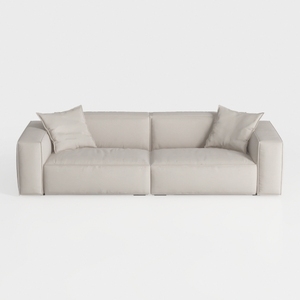
Minimalist Beige Fabric Modern Sofa with Throw Pillows 3D Model
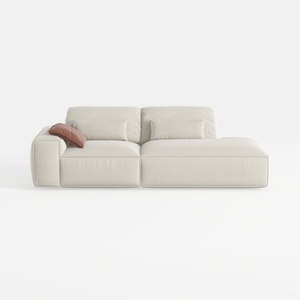
Minimalist Beige Fabric L-shaped Chaise Sofa 3D Model


Homestyler is your go-to online platform for home design! With its easy-to-use design tool, stunning 3D renderings, rich library of design projects, and helpful DIY video tutorials, transforming your space has never been easier. Unleash your creativity and start designing today!
立即免费设计
































