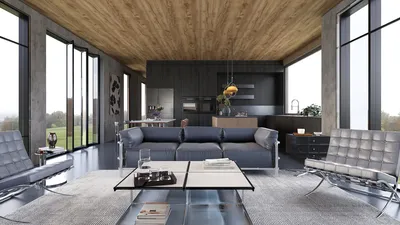


Having orchestrated and designed numerous banquets in various hospitality settings, I can confidently say that Spice Garden Banquet Hall distinguishes itself with its adaptable space, inviting color scheme, and dependable service flow. This comprehensive guide outlines my event planning strategy for this venue—from guest numbers and layout to elements like lighting, acoustics, and overall guest experience—ensuring that your wedding, corporate gala, or special celebration transitions smoothly while exuding elegance.
The significance of capacity and flow cannot be overstated. Research in workplace and hospitality consistently points out that clear spatial design and circulation significantly influence overall comfort and behavior. According to Steelcase, environments designed for social interaction enhance perceived satisfaction; for festive occasions, this means establishing defined pathways, strategically placed bars, and seating arrangements that blend intimacy with visibility. WELL v2 highlights the importance of managing glare, achieving balanced light levels, and fostering sound environments to lessen fatigue throughout lengthy events—principles I consistently integrate into both lighting and acoustic management at banquets. To establish more comprehensive design standards, the performance concepts from WELL provide actionable benchmarks for light and sound design (refer to wellcertified.com).
Color selection is crucial, extending beyond mere aesthetics. Insights from Verywell Mind reveal that warm colors can foster sociability, while cooler tones may evoke calm—valuable guidance when selecting color schemes for reception areas, dining spaces, and stage backgrounds. In my practice, I incorporate the Spice Garden’s signature green elements and spice-inspired accents, fine-tuning the lighting temperature (2700–3000K for dining) to ensure a welcoming atmosphere that complements photography and skin tones.
Guest Count, Zoning, and Circulation
Begin by establishing a precise headcount and a detailed event timeline. For seated meals, aim for 10–12 square feet per guest, increasing that to 14–16 square feet if incorporating a dance floor, buffet stations, photo opportunities, or similar features. Ensure there are two primary travel paths: a 6–8 ft central corridor leading from the entrance to the stage, along with a service path running parallel to the seating area for staff and AV access. When adjusting the seating and stage arrangements, it’s helpful to employ a room layout tool that allows you to visualize sightlines and movement without getting stuck on a single configuration: room layout tool.
Seating Arrangements and Table Shapes
At Spice Garden, I typically utilize 60" round tables accommodating 8–10 guests, ensuring spacing of 5–6 ft from center to center to facilitate chair movement and server access. For events with a mix of formats, consider placing a few high-top tables near the bar to encourage mingling and alleviate congestion. Rectangular banquet tables (30" x 72") are ideal for communal dining or corporate events; align aisles to direct sightlines toward the stage and screens. Avoid setting up deep seating rows exceeding 30–32 ft without interruptions, as this can hinder service and guest movement.
Stage, Screens, and Audio-Visual Management
For intimate gatherings of small to medium size, elevate the stage by 12–18 inches to maintain closeness without sacrificing visibility. Position screens at a distance of 1.5–2.0 times their diagonal measurement from the back row for optimal clarity. Tech operations should be set near the far corner to minimize cable lengths and avoid obstructing sightlines. Allocate a dedicated warm-up period for AV preparations, including slide presentations, microphone testing, and lighting checks; I usually allocate at least 45–60 minutes for this.
Lighting: Warmth, Photogenic Skin Tones, and Glare Management
Ambient lighting should be set between 200–300 lux for dining, with spotlighting at 300–500 lux on centerpieces and buffet stations. For stages, aim for brighter illumination at 500–750 lux, ensuring that frontal light is diffused to prevent harsh shadows. Keep the correlated color temperature between 2700–3000K during meals; for extensive photographing or filming, consider incorporating CRI 90+ fixtures to ensure color accuracy. To manage glare, I avoid direct downlights on reflective surfaces and opt for side wash or bounce techniques to soften the illumination. WELL v2’s lighting guidelines advocate for flicker reduction and harmonious light gradients—key considerations when merging house lighting with rental fixtures.
Acoustics: Clarity for Speeches and Dance Area Energy
Establishing the ideal banquet acoustics is essential: the goal is to facilitate clear speech during toasts while providing an energetic atmosphere for dancing without overwhelming the dining experience. Strategically place speakers to cover both the dance floor and stage, tapering volume to lower levels in the back seating area. Utilize soft-textured materials—like drapes, table linens, and carpeting—to absorb mid-high frequency sounds. Ensure that subwoofers are not positioned in corners in order to avoid excessive bass resonance. When using microphones, designate a monitor speaker positioned towards presenters to minimize feedback issues.
Color Psychology and Material Choices
Emphasizing the character of Spice Garden through botanical themes and spice-inspired tones (saffron, cinnamon, cardamom) fosters a warm and welcoming atmosphere. Incorporating green elements in refreshment zones and informal seating areas signals restoration, as guided by color psychology studies from Verywell Mind. Choose materials that strike a balance between tactile richness and ease of maintenance: matte textures cut glare; upscale linens with subtle weaves photograph beautifully; and floral or foliage displays positioned near reflective surfaces can also act as sound abatement features.
Food and Beverage Service Flow
For buffet setups, position serving lines on opposite sides of the venue to reduce queue times and avoid congestion in primary pathways. Place dessert stations away from the bar area to distribute foot traffic more evenly. In the case of plated services, arrange server prep areas near kitchen exits and establish 2–3 service points for water and wine to keep meal progression timely. Ensure that waste and utility areas are kept out of guest paths while maintaining a distance of 30–50 ft from main service entrances.
Bar Strategy and Crowd Management
Opting for two smaller bars instead of a single large one can be beneficial. By placing mirrored bars at opposite ends of the room, you can keep guest flow seamless, avoid bottlenecks, and shorten wait times. Incorporate a cluster of high-tables nearby to accommodate those lingering, preventing queues from spilling into dining areas. If featuring signature cocktails, organize pre-batching with clear glass specifications to ensure swift service.
Photo Opportunities, Entry Experiences, and Navigation
Guests form their impressions of an event within the first minute. Create a multi-layered entry experience: a striking floral or botanical arch, ambient lighting at approximately 3000K, and clear directional signage for registration and seating. Position step-and-repeat areas or photo booths away from the main entrance path to keep it accessible, then enhance navigation with directional cues—such as floor graphics or small signs—leading guests towards the lounge or bar areas.
Dance Floor Size and Energy Management
For gatherings of 150–200 guests, a 16' x 20' dance floor is a good starting point, scaling up to 20' x 24' for events accommodating 250+. Maintain a distance of 6–8 ft between dining tables and the edge of the dance floor to create a buffer zone where guests can chat and gradually ease into dancing. This space can be lit with dynamic styling at 350–500 lux after dinner to enhance the atmosphere.
Wedding-Specific Considerations
Allocate a serene prep area equipped with mirrors and cozy seating; this quiet space serves as a retreat for wardrobe adjustments and brief moments of relaxation. Ensure a width of 36–42" between central seating areas for processions. When planning for cake placement, utilize a sturdy base illuminated with 300–400 lux accent lighting, coupled with a perimeter buffer to prevent disruption during photos.
Corporate Functions and Fundraiser Events
For corporate gatherings, ensuring legible screens and clean stage backdrops is crucial. Design a neutral, low-gloss backdrop adorned with a brand accent color, ensuring routes from entry to seating and restrooms adhere to ADA compliance. For fundraiser events, maintain display areas for auctions with 400–500 lux targeted lighting, and establish a prominent transaction desk that remains unobtrusive to circulation.
Event Timeline, Staffing, and Contingency Plans
Craft a detailed run-of-show that includes breaks: 60 minutes for vendor setup, 45–60 minutes for audio-visual tests, 30 final minutes for styling adjustments, and 15 minutes before opening doors. Determine staff ratios in advance—approximately 1 server for every 16–20 seated guests during plated services; 1 bartender for every 60–80 guests based on beverage complexity. Always incorporate contingency plans for adverse weather or power outages: alternative entry paths, emergency lighting, and backup power sources for critical AV components.
Budget Allocation Considerations
Invest in areas that make the most impact on guest experience: prioritize lighting, sound quality, floral arrangements, and efficient service over overly elaborate staging and decor. Maintain a budget reserve for unexpected costs—such as extension cables, gaff tape, signage, or extra linens—to ensure preparedness.
Layout Simulation and Refinement
I seldom finalize a floor plan without experimenting with various alternatives. Utilize an interior layout planning tool to compare different table configurations, bar placements, and dance floor setups. Run accessibility paths for both service and ADA compliance while testing sightlines to the stage: interior layout planner.
Final 48-Hour Checklist
- Confirm guest count and seating arrangements
- Verify AV run and cue sheets
- Check lighting preset configurations: ambient, dining, stage, and dance settings
- Install clear signage for restrooms, bars, photo booths, and exits
- Assemble an emergency kit: batteries, chargers, gaffer tape, safety pins
- Coordinate vendor arrival times and loading dock access
- Walk through the venue to identify glare spots and trip hazards
- Perform a quick audio sweep for dining and dance levels
FAQ
Most layouts can cater to 150–300 seated guests, depending on the size of the stage, dance floor, and aisle configurations. Allocate 10–12 sq ft per guest for seated dining, adjusting as necessary for entertainment elements.
For lighting, maintain a temperature of 2700–3000K for warmth and flattering skin tones. Utilize CRI 90+ fixtures to ensure accurate color capture, aiming for 200–300 lux ambient illumination at tables, with 300–500 lux accent lighting on decor.
Incorporate soft finishes (linens, drapes, carpeting), position speakers towards the dance floor rather than in corners, and include a monitor for presenters. Gradually adjust volumes to ensure dining areas remain comfortable.
Round tables facilitate social interaction and provide even sightlines; rectangular tables are ideal for linear settings and shared platters. Maintain 5–6 ft of space center-to-center for adequate service clearance, regardless of table shape.
Position two bars along opposite room edges, complemented by nearby high-tops to manage lingering guests. Separate dessert and bar areas to optimize movement.
For 150–200 guests, a 16' x 20' dance floor is suitable, scaling to 20' x 24' for larger groups. Ensure 6–8 ft of clearance from nearby tables for an unobstructed buffer zone.
Plan for 45–60 minutes of setup time before doors open: test mics, slides, lighting presets, and conduct a final audio check at both dining and dance levels.
Warm spice tones promote sociability, while greens suggest restoration and tranquility. Combine these with 3000K lighting to maintain a welcoming feel without color distortion.
In terms of plated service, aim for approximately one server for every 16–20 guests and one bartender for every 60–80 attendees, depending on drink complexity.
Preserve a minimum aisle width of 36" to key locations (entry, seating, restrooms), keep cords out of the way, and provide ramps or gentle accesses to stages as needed.
For rooms extending beyond 80–100 ft in depth, include repeaters or side screens. Maintain a viewing distance of 1.5–2.0 times the diagonal screen measurement for attendees situated in the back.
Utilize a layout simulation tool to evaluate various options, examining sightlines and circulation paths before finalizing any arrangements: layout simulation tool.
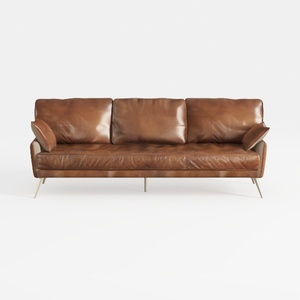
Modern Vintage Leather 3 Seater Sofa With Metal Legs 3D Model
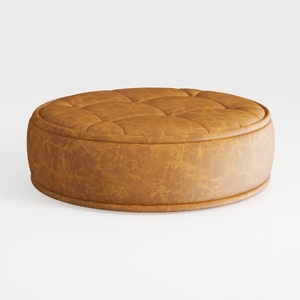

Modern Solid Wood Brass Accent Single Drawer Coffee Table 3D Model
Looking to transform your space? Homestyler is your go-to online home design platform! Enjoy an intuitive design tool, stunning 3D renderings, and a wealth of inspiring design projects. Plus, dive into easy-to-follow video tutorials to unleash your creativity and make your dream home a reality!
Desain sekarang Gratis
































