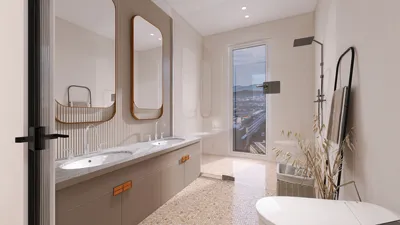


Located in the vibrant area of Dadar, Kohinoor Hall has established itself as a premier destination for various occasions including weddings, corporate retreats, cultural showcases, and community events. Its strategic position combined with a solid infrastructure provides not only convenience but also a flexible environment, featuring well-designed spaces and efficient backstage areas that cater impressively to a multitude of event types. With tools like Homestyler, event planners can visualize and organize intricate layouts to maximize these features.
Effective event planning begins with clear benchmarks. According to Gensler’s Workplace Survey, incorporating spatial variety enhances attendee satisfaction and overall performance, a concept that aligns seamlessly with event venues that adapt to various programs throughout the day. Following the WELL v2 guidelines, it's suggested to maintain lighting levels between 300–500 lux for common areas, ensuring a well-lit environment that fosters communication and ease of navigation. Acoustic considerations also play an important role, with IES recommendations indicating an ideal mid-frequency reverberation time of roughly 0.8–1.2 seconds to achieve clarity in speech within medium halls. When implemented alongside strategic uplighting and focused lighting setups, the result is an engaging atmosphere without compromising visibility, especially with the aid of Homestyler to design optimal layouts.
The comfort of seating arrangements and the ability to move freely influence how long guests stay and their satisfaction levels. Research from Herman Miller highlights a direct correlation between ergonomic seating options and prolonged engagement, suggesting the integration of varied seating types such as banquet, lounge, and high-top tables in transitional areas. The psychology of color is also significant; as noted by Verywell Mind, warm tones can stimulate social interaction, while cooler shades can alleviate stress. A well-balanced presentation of warm and cool colors can effectively navigate the energy levels of an event, starting from an inviting entryway to a serene ceremony and concluding with festive dining experiences.
Location, Accessibility, and Initial Impressions
The Dadar location of Kohinoor Hall is well-positioned between key railway routes and major roads, minimizing travel time for attendees from across Mumbai. The entry sequence—comprising drop-off, lobby, and pre-function areas—sets the tone for the entire event. My focus is on ensuring a smooth arrival experience with clear signage, a dedicated coat or bag check, and an unobstructed view leading straight to registration. For VIP arrivals, it's prudent to assign a separate entrance along with a discreet waiting area to prevent congestion. Considering the tropical climate of Mumbai, having a covered portico or temporary awning is essential to alleviate potential weather-related issues and manage crowd flow at security or ticket checkpoints.
Capacity Assessment and Versatile Arrangements
Evaluating capacity is vital and is dictated by fire regulations, exit routes, and the type of furnishings used. In the planning phase, I adopt a conservative approach to density: around 1.2–1.4 m² per guest for theater setups, 1.5–1.8 m² for classroom arrangements, and 1.8–2.2 m² for banquet rounds, taking into account circulation and service paths. Aisles should maintain a minimum clearance of 1.2 m, with broader aisles of 1.8 m designated for service. If assessing multiple layout alternatives, employing a room layout utility helps to quickly evaluate factors such as stage dimensions, table arrangements, and audiovisual distances, aiming for an efficient setup that enhances the event's flow and effectiveness.
Stage Design, Sightlines, and AV Specifications
The stage height should be tailored to suit the sightlines of the attendees in the back row. In medium-sized halls, I generally recommend a stage height between 450–600 mm, adjusting as necessary for performer elevation. The dimensions of presentation screens should follow the '6× rule' (screen height corresponds to the distance from the audience divided by 6) and the '8× rule' for more intricate content. Ideally, position front-of-house control approximately two-thirds up from the stage line to facilitate effective mixing and monitoring. Incorporating line-array or appropriately positioned point-source speakers with delay fills can ensure consistent sound distribution throughout the audience, all the while leveraging tools like Homestyler to visualize the arrangements effectively.
Lighting: Multilayered, Glare-Free, and Camera-Friendly
Lighting should be layered into three distinct categories: ambient (300–500 lux for general areas), task (750–1000 lux at the podium), and accent (for stage backlighting and wall grazers to create visual depth). It is crucial to avoid direct glare from exposed lighting; thus, utilizing ceiling-mounted uplighting in conjunction with soft key lights allows for well-lit faces ideal for photography without causing eye strain. A color temperature of approximately 3000–3500 K provides a warm glow that enhances skin tones, and implementing adjustable white or limited RGBW for transitions between different phases of the event can enhance the visual experience without disrupting the ambiance.
Sound Management for Clarity Without Echo
Programs heavy on speech require proper management of reverberation and early reflections. If the hall features hard surfaces, adding temporary sound-absorbing materials like acoustic drapes along the back wall, carpet runners in aisles, and cushioned seating in lounges can contribute to auditory clarity. For musical performances, it's essential to retain some vibrancy, ensuring absorption materials are strategically placed around initial reflection areas and the back of the hall. Solid, non-creaky stage risers alongside microphone isolation pads can mitigate unwanted low-frequency noise caused by movement.
Circulation, Navigation, and Guest Comfort
Establish clear pathways for movement: entry → registration → photo opportunities → seating; plus an alternative route for latecomers to avoid disrupting sightlines. An expansive pre-function space can accommodate peak times during check-in and food breaks. I advocate using high-contrast, bilingual signage, ideally backlit, to minimize issues with visibility in differing light conditions. Maintain staff corridors separate from guest pathways to reduce service traffic through audience spaces.
Hospitality and Backstage Coordination
Designate specific food and beverage stations near structural columns or along the perimeter to enhance sightlines. It is advisable to bifurcate hot and cold food service areas to minimize queuing conflicts. Ensure staging for caterers is equipped with necessary electrical connections, accessible water supply, and waste separation options. Green rooms should feature mirrors with 3500 K lighting, adjustable brightness, and ample ventilation. Providing a simple wardrobe rail and secure storage is essential to maintain a tidy stage environment.
Color Theory and Atmosphere
For wedding receptions and galas, I favor warm metallic schemes and muted jewel tones to add richness without overwhelming photographs. In contrast, for corporate events, neutral foundations with one or two brand accent colors help mitigate visual fatigue. Insights from color psychology suggest that warm hues like reds and ambers can enhance excitement and sociability, while blues and greens tend to soothe. This can be tactically balanced with warm accents at entry and bar areas and cooler tones near seating arrangements to ensure long-lasting comfort for guests.
Furniture, Ergonomics, and Zoning Considerations
Diverse seating types encourage various behaviors: banquet rounds work well for dining and toasts; cabaret styles are apt for educational sessions; and informal lounge areas are beneficial for networking. It's advised to have chair heights between 450–480 mm with adequate back support for extended seating events. Large communal tables positioned close to the bar can promote lively interactions, while secluded alcoves or partitions at the rear cater to private discussions. Arranging tables in a staggered manner opens diagonal sightlines that enhance movement and visibility.
Electrical, Rigging, and Safety Precautions
Anticipate power requirements promptly: allocate dedicated circuits for audio and lighting to prevent interference. If utilizing trusses or pipe-and-drape systems, it is crucial to confirm weight limits and ceiling attachments with the venue; when uncertain, opt for ground-supported solutions. Clear pathways for cables and gaffer tape can help maintain safety and accessibility. Emergency lighting and well-illuminated exit signs must remain unobstructed regardless of decorative enhancements being applied.
Sustainability and Material Selections
Favor reusable scenic components—such as modular setups, fabric backdrops, and rented floral arrangements—to minimize waste. Employing LED lighting not only reduces heat output but also lessens the burden on generators when used appropriately. Engage local vendors to decrease transportation emissions and select recyclable serving materials whenever possible. Implement anti-scratch measures such as reusable interlocking tiles in the backstage area to protect furnishings and decrease reliance on single-use covers.
Sample Layout Concepts
• Ceremony: a 2.4 m central aisle, a stage dressed with soft drapery, and side screens for close-ups; ambient lighting set to a warm 3200 K with focused pinspots for aisle decor.
• Reception: 60-inch round tables accommodating 8–10 guests, 1.8 m wide service pathways, and a centered dance floor for balanced distribution; incorporate dynamic lighting in the range of 3500–4000 K for toasts, dining, and dancing segments. Using a layout simulation tool, you can swiftly develop designs that coordinate table configurations and stage positioning effectively: Homestyler serves as a helpful resource here.
• Theater: maintain 1.2 m aisles with two short cross aisles at every 10–12 row intervals for egress; ensure the center screen size abides by the 6× rule and set ambient lighting at 500 lux with 750–1000 lux at the lectern.
• Breakout rooms: include mobile partitions or casual seating areas within pre-function zones; use color-coded signage to guide attendees based on agenda tracks.
• Stage risers equipped with 600–900 mm steps for depth; include side legs and borders to conceal wings; carefully control reverberation through curtains and ceiling banners; prepare for quick changeovers with pre-staged stereo microphones and DI boxes.
Prioritizing Budgets
Allocate initial funds towards high-quality audio solutions, followed by adaptable lighting systems. Don’t overlook the importance of clear signage and wayfinding, as these elements often relieve more stress than elaborate decorations. It is wise to set aside a contingency fund for last-minute rentals such as additional risers, lecterns, or power distribution setups to accommodate any changes in programming while ensuring safety protocols.
Day-of Coordination and Team Responsibilities
Develop a consolidated schedule on a single page, including a contact list. Assign roles such as house manager, stage manager, front-of-house supervisor, and back-of-house lead. Build in 15-minute buffers during transitions—guest seating changes, food service openings and closures, and stage adjustments. Conduct a comprehensive AV soundcheck and a lighting review approximately 10 minutes prior to opening the doors.
Inclusivity and Accessibility Considerations
Ensure clear paths for wheelchair access, potential platform lifts for stage entry, and reserved seating that includes adjacent companion chairs. Provide assistive listening tools and captioning for keynote speeches. Maintain high-contrast, legible signage, featuring large text and consistent icons; ensure at least one gender-neutral restroom is prominently marked.
Photography, Videography, and Media Relations
Position media risers slightly off-center yet still within clear sightlines for optimal coverage. Space should be set aside for neutral backdrops used for portrait photographs. Confirm lighting presets tailored for photo opportunities, and establish a no-flash policy during ceremonies or performances when necessary. Coordination of power outlets for camera equipment is essential to alleviate trip hazards.
Key Insights for Kohinoor Hall
• Utilize the central location and pre-function areas to alleviate congestion during peak times.
• Implement layered lighting effects and basic acoustic enhancements to achieve a blend of clarity and atmosphere.
• Conduct sightline modeling and table count estimates in advance; utilize digital tools for layout iterations.
• Focus on audio quality along with clear navigation and inclusive access for an enhanced guest experience.
Frequently Asked Questions
Q1: What are the optimal lighting levels for hybrid programming that includes both ceremonies and receptions?
A1: Aim for 300–500 lux ambient levels for general seating, while employing 750–1000 lux at stages or speaking areas, complemented by soft backlighting for dimensionality. Maintain a color temperature around 3000–3500 K for an inviting and flattering atmosphere.
Q2: How do I determine the appropriate size for a projection screen in a medium-sized hall?
A2: Utilize the '6× rule' for presentations: screen height should equal the distance from the farthest viewer divided by 6. For content rich in detail, apply the '8× rule' for larger text sizes.
Q3: What is the recommended stage height for events?
A3: For average mid-sized rooms, a height range of 450–600 mm is generally adequate for most ceremonies and events. If the audience area is fully flat and dense, consider elevating the stage further and adding ramps or steps with handrails for safety.
Q4: How can I enhance speech clarity without extensive renovations?
A4: Introduce temporary sound-absorbing drapes in reflection areas along the back and sides, use carpets along aisles, and arrange loudspeakers to distribute sound evenly while mitigating echoes.
Q5: What seating layouts are best suited for social gatherings versus corporate sessions?
A5: Social occasions flourish with banquet rounds and lounge seating arrangements at the edges. Conversely, corporate meetings benefit from theater or cabaret configurations that preserve sightlines while facilitating note-taking.
Q6: Do you have strategies to handle queues at food and beverage stations?
A6: Separate hot and cold service areas, implement U-shaped service stations to enable access from both sides, and provide at least 1.8 m of clearance for smooth movement between bars and dining tables.
Q7: How should I approach planning power and audio-visual setups to avoid overloading circuits?
A7: Divide audio and lighting onto distinct circuits, ensure power distribution is clearly marked, and conduct a load test prior to the event. Use gaff tape to secure cables and provide ramps at crossing points.
Q8: What color palette is ideal for photography and video?
A8: Neutral tones accented with metallics for backdrops, along with a few selected vivid colors. Steer clear of overly strong tints on skin; maintain warm whites around 3200–3500 K for a flattering effect.
Q9: How do I ensure inclusive and accessible facilities?
A9: Provide routes that are wheelchair-friendly, reserving spaces for wheelchairs adjacent to companion seating, including assistive listening tools and maintaining high-contrast signage. Ensure at least one accessible restroom is easily identifiable near the main hall.
Q10: What is the effective method for developing floor plans before finalizing rentals?
A10: Employ digital layout tools to assess table arrangements, stage setups, and audio-visual distances, sharing annotated layouts with vendors for agreement and executions.
Q11: How can I minimize waste during large events?
A11: Opt for reusable items in the scenic design, utilize LED lighting, collaborate with local suppliers, and choose recyclable serving products. Ensure caterers are well-informed of guest counts to reduce food waste.
Q12: How early should I schedule sound checks and lighting adjustments?
A12: Organize a comprehensive audio line check and lighting focus at least 2–3 hours ahead of the event entry, with a quick pre-show review 10 minutes prior to ensure preset conditions and safe routes.
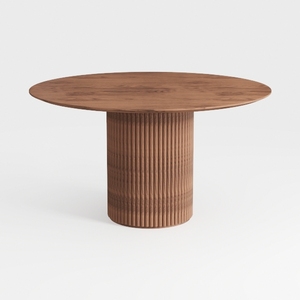
43.3''-59'' Extendable Round Dining Table for 4, M
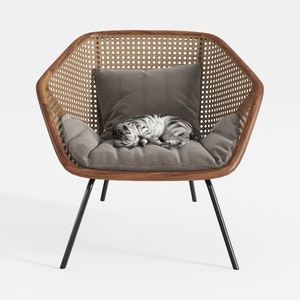

Set of 2 Counter Height Bar Stools - 26.4 inch
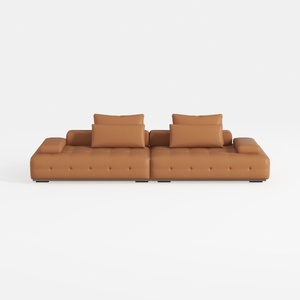
Valencia Nathan Nappa Leather Couch - 4 Seats with
Homestyler offers a user-friendly online design tool that makes home styling easy and fun. With stunning 3D renderings, a vast collection of design projects, and engaging DIY video tutorials, you can effortlessly transform your living spaces into your dream home. Explore your creativity today!
Desain sekarang Gratis
































