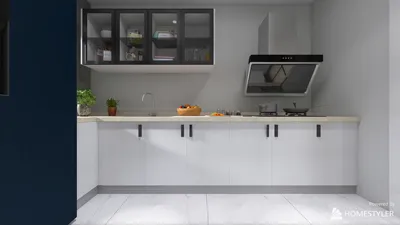


I once dedicated an afternoon to sanding a kitchen wall using what I believed to be the appropriate grit, only to discover that the finish resembled a poorly pressed shirt—it was streaky and uneven. This mishap cost me a weekend along with a very tolerant client, but it imparted a valuable lesson: the importance of aligning your sanding technique with the desired paint finish. If you're aiming for professional results without unnecessary stress, you're in the right place. Also, check out this kitchen case study I worked on, which really pushed me to refine my preparation process.
1. Align grit with your desired finish
I often advise my clients that the smoother the finish they desire, the finer the grit they need to use. For flat or eggshell paints, I typically opt for 120–150 grit to minimize imperfections. If you're seeking a flawlessly smooth satin or semi-gloss finish, I recommend finishing with 220 grit. The advantage? A noticeably cleaner end result. The trade-off is that achieving this requires more time—finer grits demand patience.
2. Select the appropriate tool for the surface
Using a sanding block is usually more effective than just a sheet of sandpaper, as it allows a better feel of the surface. For sanding ceilings or high walls, I transition to a pole sander. When it comes to larger areas, an orbital sander can save my back. While power tools can speed up the process, they also pose a risk of gouging if not handled with care—practicing on scrap drywall beforehand is a smart move.
3. Utilize wet sanding for superior finishes
If you're aiming for a showroom-quality smoothness, wet sanding with fine abrasives is an insider secret of mine. This technique minimizes dust and provides a glass-like finish before applying final coats. Although wet sanding can be a bit messier and takes some time to master, I've achieved stunning results on furniture and accent walls by incorporating this method. Just remember to pair it with careful masking—it's well worth it. For visualizing how finishes will appear under different light conditions, I sometimes reference detailed 3D floor plans using tools like Homestyler for guidance.
4. Blend edges and address transitions
When transitioning from old paint to a fresh skim coat, blending or ‘feathering’ the edges is essential. I lightly sand the edges and apply joint compound to create a seamless transition before sanding once more. Though this step can be a bit tricky and adds to the overall process, it's vital for avoiding unsightly lines post-painting—definitely worth it for any detail-oriented client.
5. Minimize dust and prime correctly
Dust can compromise a pristine finish. I make it a practice to use a shop vacuum between sanding sessions, wipe down surfaces with a tack cloth, and always apply a high-quality primer tailored to the paint finish. When budgets are tight, I suggest a multi-surface primer that seals effectively, helping to avoid the need for repainting in the future. For larger tasks, I have utilized AI-driven tools to visualize textures and see how they interact with various lighting conditions, including through platforms like Homestyler.
FAQ
Q1: Which grit should I use for sanding drywall before painting?
A: Begin with 120–150 grit to smooth out joints, then finish with 220 grit if you are aiming for an ultra-smooth look. Tailor your approach based on the paint's sheen and how perfect you need the surface to look.
Q2: Is it okay to wet sand latex paint?
A: Absolutely—wet sanding is quite effective for latex paint and reduces airborne dust, but remember to use very fine abrasives and always test a hidden area first to avoid over-sanding.
Q3: Should I apply primer after sanding?
A: Yes, it's essential to prime bare drywall or patched areas. Primer acts as a sealant and ensures consistent paint absorption, leading to uniformity in the final color and finish.
Q4: How can I keep dust under control while sanding?
A: Attach a vacuum to your sander, work in stages, and clean surfaces with a damp or tack cloth in between sanding passes. Don't forget to use masks and eye protection—they're essential.
Q5: Is it safe to use power sanders in older homes?
A: Exercise caution—older paint might contain lead. If the home was built before 1978, it’s wise to test for lead before heavy sanding and adhere to safety protocols, or consider hiring a certified contractor.
Q6: What distinguishes sanding between coats from final sanding?
A: Sanding between coats (lightly scuffing) enhances adhesion, while final sanding smoothens the surface for aesthetic purposes. For final sanding, use finer grits to avoid visible scratches.
Q7: How long should I wait after sanding before painting?
A: Ensure the surface is clean and dry—typically, a quick wipe-down and a wait of 15–30 minutes suffices for smaller jobs, but adhere to the instructions provided by primer/paint manufacturers for larger projects.
Q8: Where can I access professional preparation guidelines?
A: The best resources are often from manufacturers—Sherwin-Williams, for instance, offers detailed preparation and sanding directives in their technical documents (check out the Sherwin-Williams paint preparation guide online for specifics).
Looking to revamp your home with ease? Homestyler offers an intuitive online design tool, stunning 3D renderings, and a wealth of inspiring design projects and video tutorials. Whether you're a beginner or a seasoned designer, Homestyler makes transforming your space effortless and fun!
立即免费设计
































