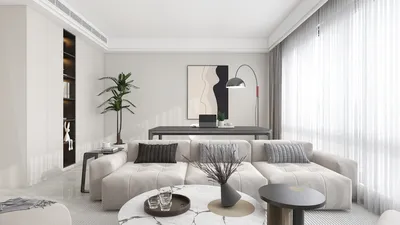


Throughout my experience, I have crafted countless dry erase boards, ranging from child-friendly homework centers to expansive brainstorming surfaces that cover entire walls in home studios. The most straightforward option is a framed board, while the more striking alternative is a floor-to-ceiling writable wall that serves as a functional design element. Below, I outline my process for creating both types of boards, utilizing materials from popular home improvement stores and adhering to best practices in sizing, lighting, and acoustics to enhance daily comfort.
Prior to selecting materials, it's essential to base your project on actual usage patterns. Research by Herman Miller indicates that seated work areas average an eye level height of approximately 44–48 inches from the ground, whereas a comfortable reach in a standing position typically ranges from 24 to 72 inches. Setting the centerline of your writable surface around 57 inches tends to accommodate the majority of adults and keeps writing legible without causing neck strain. Moreover, Steelcase findings suggest that collaboration areas should be at least 36–48 inches wide to minimize visual crowding and enhance group engagement. For a wall-sized installation, aim for at least 48 inches in width to improve shared visibility.
Proper lighting is equally vital. According to IES guidelines, office-like task spaces should maintain lighting levels between 300–500 lux. To avoid glare on glossy boards, choose indirect or diffused light fixtures. WELL v2 guidelines emphasize the importance of managing visual comfort through glare control and maintaining balanced contrast. If your room benefits from ample natural light, angle fixtures or use matte finishes to eliminate overly bright spots, especially at common writing heights.
Materials: From Classic Whiteboard to Glass and Painted Options
For quick setups, melamine whiteboard panels and pre-cut framed boards are readily available and budget-friendly. However, they can develop ghosting over time if markers are left unattended for long periods. On the other hand, porcelain-on-steel boards, although pricier, offer remarkable durability, magnetic properties, and stain resistance, making them ideal for high-frequency use. Tempered glass boards boast a sleek appearance, exceptional scratch resistance, and vibrant color, with smooth writeability and easy cleanup using alcohol-based cleaners. If you aim to transform a wall, specialty dry erase paints can convert drywall into a writable surface, but apply them carefully to avoid texture bleed-through during prep and curing processes.
Size, Proportion, and Mounting Heights
For desks that accommodate sitting: position the board's bottom edge at approximately 30–32 inches high, topping out around 60–66 inches to align with common seated eye levels. For standing areas used for collaboration: set the bottom edge at around 36–40 inches, with the top edge reaching 78–84 inches to provide adequate space for taller users. Keep a 2–3 inch margin around the edges for frames and a clean reveal alongside adjacent fixtures. When mounting over credenzas, ensure a minimum clearance of 6 inches to prevent markers from colliding with the furniture above.
Planning the Wall: Layout and Workflow
I organize writing zones similar to a user interface: the left section for agendas, the center for ongoing notes, and the right for decisions or next steps. For spaces accommodating multiple users, divide the board into vertical lanes using subtle graphic tape to lessen overlap and visual clutter. If you're determining board placement in a room, a quick layout mockup can be beneficial. Consider a room layout tool to simulate positioning and reach before any installation begins.
Framed Board Build: Step-by-Step
1) Choose your panel: melamine whiteboard for convenience or porcelain steel if magnets are desired. 2) Cut or opt for a standard size (24x36 inches for smaller areas; 36x48 or 48x72 inches for collaborative spaces). 3) Create a slim frame using 1x2 hardwood or aluminum trim, ensuring mitered corners for a polished profile. 4) Back the panel with 1/4 inch plywood if it's thin to prevent flexing. 5) Use French cleats or concealed Z-clips for flush, level mounting—secure into studs or use appropriate drywall anchors. 6) Finish edges with a micro-reveal (1/8 inch) to prevent paint chipping at the border. 7) Attach a tray for markers or an eraser, positioning it 30–36 inches above the floor for accessibility.
Full-Wall Writable Surface: Paint or Panel Strategy
With the panel method: install large-format porcelain-steel or glass panels with minimal seams. If seams are unavoidable, align them at eye level to manage expansion gaps and maintain a flat surface. For the paint method: skim-coat the wall, prime it, and then apply dry erase paint according to the manufacturer’s instructions—most require several days to cure. Avoid excessive orange-peel textures as they can obscure legibility and trap ink. It’s wise to test a small area for ghosting before committing to a full application. Utilize neutral mid-tone walls to minimize glare compared to deep, dark backgrounds.
Ergonomics, Color Psychology, and Marker Choices
The color of markers can affect comprehension and visibility. According to insights from Verywell Mind on color psychology, blue supports concentration and calmness, while red directs focus to important items. I prefer using saturated blue for process diagrams, charcoal or black for written text, and red to highlight deadlines. Regular cleaning with alcohol-based solutions is important; avoid abrasive pads. For shared boards, implementing a simple color-coding system—blue for ideas, black for decisions, and red for deadlines—can structure sessions effectively and lessen cognitive load.
Lighting and Glare Control
Position linear fixtures parallel to the board rather than directly aimed at it. For glossy surfaces like glass or high-gloss melamine, diffusers should be used to widen the beam spread. If the room receives strong sunlight, consider adding light-filtering shades to control contrast and reflections. Aim for brightness levels around 300–500 lux at the writing surface; utilizing dimmable drivers can help align illumination with the time of day and nearby screen usage.
Acoustic and Surface Sound Considerations
In echo-prone rooms, large glass boards can produce resonance. To balance acoustics, consider complementing the writable surface with an acoustic pinboard or felt baffles on the opposite wall. The sound produced by markers can be notably apparent in small spaces; softening flooring with rugs or adding a fabric-wrapped panel in view can help maintain the board’s visibility while reducing noise amplification.
Maintenance and Longevity
For daily upkeep: perform a dry wipe following use. Once a week: apply an alcohol-based cleaner. Monthly: conduct a thorough cleaning with a non-abrasive whiteboard solution. It’s advisable to alternate marker brands to evaluate ghosting, as some inks adhere differently to melamine compared to glass. Keep an eye on felt erasers, replacing them when they start polishing instead of lifting ink. For painted surfaces, steer clear of oil-based markers and choose high-quality low-odor dry erase markers to maintain performance.
Safety and Installation Notes
Ensure that glass boards are tempered and mounted using recommended hardware. For heavier porcelain steel boards, enlist the help of another person for installation; utilize stud finders and verify load capacities. Remember to disable power if drilling near electrical wiring, and use shallow fasteners wherever feasible. Keep boards designed for children lower and ensure that trays have rounded edges to avoid bumps or injuries.
Design Integration: Making It Feel Intentional
I often complement boards with a slim LED task light and a peg rail beneath for keeping markers, wipes, and tape organized. Consider contrasting frames that align with the hardware of doors or cabinet pulls. For minimalist spaces, frameless glass with discreet standoffs creates a clean look; while rustic interiors benefit from walnut edge frames that soften glare and introduce warmth. If the wall is intended as a brainstorming area, ensure adjacent shelves are within a 24–30 inch reach from the writing center for easy reference.
FAQ
For individual use, a size of 36x48 inches is ideal—sufficient for ongoing notes yet compact enough for most wall spaces. If frequent collaboration is anticipated, consider sizing up to 48x72 inches or creating a continuous panel layout system.
Position the bottom edge around 36–40 inches off the floor, and center the writable area near 57 inches, aligning with typical adult reach and eye levels.
Porcelain-on-steel and tempered glass boards provide better stain resistance compared to melamine options. The efficacy of painted walls largely depends on the quality of preparation and curing time.
Implement diffused, indirect lighting, align fixtures to flow parallel to the board, and avoid directed spotlights on the surface. Aim to maintain brightness levels near 300–500 lux.
Yes—an appropriate dry erase paint system can be employed on adequately prepared drywall. Ensure to skim, sand for smoothness, prime, and adhere to the specified curing times closely.
For planning alongside physical printouts, magnetic porcelain steel proves to be advantageous. It allows for attaching references while jotting notes, minimizing clutter and the need for repetitive copying.
Opt for low-odor dry erase markers paired with alcohol-based cleaning solutions. Steer clear of abrasive erasers and avoid using oil-based inks on painted surfaces.
Position it near natural collaboration hubs, such as adjacent to desks or opposite seating areas. If uncertain, experiment with a layout simulation tool before installation: layout simulation tool.
In reflective spaces, it can indeed be problematic. Counterbalance this with soft finishes—rugs, acoustic panels, or felt pinboards—to maintain sound levels.
Utilize French cleats or manufacturer-specified standoffs for glass boards, ensuring they are anchored to wall studs. Confirm load ratings and ideally have two people involved in the installation of heavier boards.
Looking to transform your home? Homestyler is your go-to online design platform! With its user-friendly design tool, stunning 3D renderings, inspiring design projects, and helpful video tutorials, you'll effortlessly create your dream space, regardless of your experience level. Dive in and start designing today!
Concevez maintenant gratuitement
































