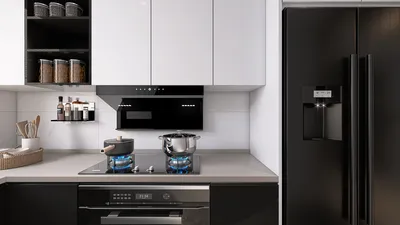


Dining rooms serve a dual purpose: they are the venue for everyday family dinners as well as for social events where ambiance is as important as the food served. When it comes to selecting lighting for dining areas, I focus on achieving a perfect balance of illumination, scale, and comfort. This way, the dining table stands out visually, free from glare or shadows. My approach often utilizes a layered lighting design—featuring a pendant or chandelier as the focal point, complemented by dimmable ambient lighting and subtle accent lights—making the space versatile from brunch to late-night gatherings.
Getting the right light intensity is essential. Research by Steelcase shows that well-designed environments lead to increased satisfaction and improved performance; in dining spaces, this means having the right light levels to facilitate conversation and showcase food without causing discomfort to the eyes. The Illuminating Engineering Society (IES) suggests aiming for about 200–300 lux at dining tables to ensure a cozy residential atmosphere, while also focusing on glare reduction through various shielding or diffusing methods. I follow these guidelines while incorporating warm color temperatures of around 2700–3000K for a welcoming vibe. For overall well-being, the WELL v2 framework advocates for adjustable, low-glare lighting and benefits from circadian-friendly light spectrums—ideas that integrate perfectly into home dining settings when paired with dimmers and varied light sources.
Design Intent: A Centerpiece That Enhances the Meal
A suspended light fixture should elegantly frame the dining table and attract attention to the meal setup, but its primary function is to provide adequate lighting. I typically choose pendants or chandeliers that are about half to two-thirds of the table's width to ensure a balanced look and sufficient light distribution. For elongated tables, I prefer multi-light bars or paired pendants that offer even illumination; for circular tables, a single central fixture is ideal. The fixture should be mounted approximately 28–34 inches above the tabletop—high enough to maintain clear sightlines across the table, yet low enough to ensure adequate light on diners' plates and faces.
Spatial Ratios and Visual Balance
Proportion during dining lighting selection is crucial. Spacious rooms can accommodate bold designs, while smaller spaces benefit from slender fixtures and lighter materials to prevent overcrowding the visual field. I assess sightlines from entry points and adjoining rooms to ensure that the fixture is well-positioned in the dining area. In rooms with ceilings over 10 feet high, I might introduce tiered or multi-drop pendants to maintain an intimate atmosphere. In cases where the dining area is part of an open-plan layout, using a helpful interior layout planner like Homestyler can illustrate fixture sizes, drop lengths, and table settings before any decisions are made.
Layered Lighting: Ambient, Task, and Accent
Exceptional dining rooms rarely depend on one light source. I prefer a layered approach: a central pendant providing task lighting directly above the table, soft ambient lights from recessed fixtures or cove lighting, and accent lights through wall washers or artwork lights. This layering prevents harsh contrasts and decreases eye fatigue. I regularly include dimmers as they enable me to adjust light levels from 300 lux for playing games or studying to 150–200 lux for dining. For spaces that blend with living areas, a subtle perimeter light can facilitate comfortable transitions.
Color Temperature and Color Rendering
Using warm light between 2700K and 3000K helps maintain a calm atmosphere that is flattering to both skin tones and food presentation. I look for a Color Rendering Index (CRI) of 90+ to ensure accurate depiction of colors—think juicy tomatoes, fresh leafy greens, and deep burgundy wine—so that the meal not only tastes great but looks appealing too. According to Verywell Mind, warm hues promote feelings of comfort and sociability; therefore, lighting that complements these tones enhances the inviting nature of the dining room.
Glare Control and Human Factors
Creating a comfortable environment requires effective shielding and diffusing techniques. I utilize shades, lenses, or prismatic diffusers to soften light output, making sure to avoid direct exposure to bulb filaments. The dimensions, spread, and dimming capabilities work in harmony to eliminate hot spots on the dining surface. For glass fixtures, opting for frosted or ribbed designs is beneficial, while for metals, a white interior paint can uplift light reflection without being glaring. If diners often move around or stand, I select fixtures that maintain consistent brightness from various angles.
Acoustic Comfort Around the Table
Hard surfaces can tend to amplify noise. In dining rooms with echoes, I introduce softer textures—such as area rugs, upholstered furniture, fabric lampshades, or acoustic pendants—to help dampen sound. The lighting model itself is also a key component; fixtures made of felt or perforated materials can help reduce reverberation while adding an artistic touch above the dining area.
Materials, Sustainability, and Maintenance
Materials like solid brass, powder-coated steel, hand-blown glass, and responsibly sourced wood not only have timeless appeal but also age beautifully. I prefer LEDs with replaceable parts because they minimize energy consumption and simplify maintenance. When selecting finishes, I factor in how prone they are to fingerprints and ease of cleaning—matte or brushed materials and etched glass can disguise smudges better than shiny surfaces.
Ceiling Heights and Mounting Details
For 8–9 foot high ceilings, choosing a single pendant or a compact chandelier ensures clear sightlines. For rooms with vaulted ceilings, I recommend canopy systems with multiple drops for proper fitting at the dining height. I ensure that the junction box is centered above the table—not necessarily the center of the room—allowing the fixture to align with the seating arrangement. For adjustable tables or those with leaf inserts, a linear fixture offers greater adaptability than a solitary round pendant.
Open-Plan Dining: Defining Zones with Light
In open floor concepts, lighting helps demarcate the dining area. A hanging fixture serves as the "visual cue" that distinctively separates the dining zone from kitchen or living spaces. I support this with lower ambient lighting levels around the periphery to draw attention to the table itself. Utilizing a quick room layout tool like Homestyler can help visualize pathways so that pendants avoid interference with traffic or cabinet usage.
Fixture Types and Styles
- Chandeliers: Offer sculptural elements; opt for diffused shades to minimize glare.
- Linear pendants: Ideal for rectangular tables; provide consistent light distribution.
- Multi-drop pendants: Perfect for taller ceilings; create a dynamic vertical arrangement.
- Drum shades: Provide a versatile, soft ambient glow with a modern silhouette.
- Lanterns: A transitional design using geometric shapes; create visual weight without overwhelming the space.
- Minimalist LED bars: Deliver sleek, concentrated light; use with higher CRI for optimal food presentation.
Controls and Smart Integration
Smart dimmers and preset scenes allow for seamless transitions from meal prep to dining and dessert with just a tap. I like to set specific scenes at 300 lux for games, 200–250 lux for casual dining, and 150 lux for more intimate gatherings. Warm-dim LEDs adjust from 3000K down to 2200K to replicate candlelight for a cozy atmosphere.
Installation and Safety Notes
Always verify that the ceiling box can support the weight of your fixtures, particularly heavier chandeliers. Maintain proper clearances: generally, 30 inches from table edges to surrounding walls ensures comfortable movement. Make sure your fixture is centered over the table rather than merely over the center of the room. If utilizing adjustable rods or cables, ensure everything is level once the table is set, as chairs and table settings can affect perceived alignment.
Real-World Guidance from Standards and Research
To finalize my lighting strategy, I always refer back to IES standards for residential visual comfort, striving for a measurable 200–300 lux at the table surface. The WELL v2 recommendations regarding controllability and glare are essential for choosing the right dimmers and shades. Research shows that environments with improved control over lighting conditions lead to higher satisfaction levels; these concepts can easily transition into dining rooms that provide adjustable, low-glare lighting, and a well-balanced acoustic experience.
FAQ
1) What is the ideal height for a dining pendant to hang above the table?
Generally, it should be positioned around 28–34 inches above the tabletop to maintain clear sightlines while providing direct light on faces and dishes.
2) How bright should the lighting in a dining room be?
Aim for about 200–300 lux at the table, following IES recommendations for comfortable residential dining. Additionally, incorporating dimmers allows for adjustments tailored to different activities.
3) Which color temperature is recommended?
A warm light range of 2700K to 3000K ensures an inviting atmosphere while flattering skin tones and food presentation. For candlelit moods at lower levels, opt for warm-dim LEDs.
4) How can I minimize glare with glass pendants?
Select frosted or ribbed glass options, ensure that diffusers shield the lamp, and adjust the height of the pendant to avoid direct line-of-sight to the light source.
5) What size fixture is suitable for my table?
As a general guideline, choose a fixture that is about one-half to two-thirds the width of the table. For longer tables, consider employing a linear pendant or a pair of smaller pendants evenly distanced apart.
6) Are chandeliers a practical option for smaller dining rooms?
Absolutely, as long as they are appropriately scaled and partnered with dimmers. Look for designs with slim profiles, drum shades, or minimalist structures to avoid visual overcrowding.
7) Is it necessary to have layered lighting in a dining room?
Layering is crucial to prevent harsh shadows and avoid eye fatigue. Incorporate a central fixture alongside ambient and accent lights, allowing the room to adapt from study to dinner and conversation environments.
8) What CRI should I prioritize?
For optimal color rendering, look for a CRI of 90 or higher. This specification can significantly impact the overall dining experience, especially regarding food and skin tone appearance.
9) How can lighting assist in an open-plan home?
A prominent pendant or chandelier can effectively delineate the dining area. By keeping ambient light levels slightly lower around the edges, you can maintain a focus on the dining space.
10) How can I ensure acoustic comfort in my dining room?
If the area produces echoes, introduce soft materials—such as rugs, upholstered furnishings, fabric shades, or felt pendants—to absorb sound without sacrificing aesthetics.
11) Are smart lighting controls worth the investment?
Definitely. Scene settings and scheduling functionalities streamline daily usage and help maintain comfortable light levels. Warm-dim LEDs can contribute to a pleasant ambience for dinner settings.
12) How do I ensure that the fixture is properly centered?
Center the junction box directly over the table to ensure alignment, accounting for any movements or extensions given by the table. A linear fixture provides greater coverage in such scenarios.


Homestyler is your go-to online home design platform! With its user-friendly design tool, stunning 3D renderings, and a wealth of inspiring design projects and video tutorials, you can effortlessly create and visualize your dream spaces. Perfect for all design enthusiasts!
Concevez maintenant gratuitement
































