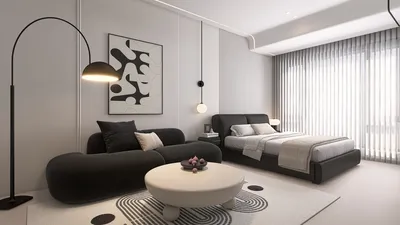


Rooms painted in dark grey exude a sense of quiet strength: they help mitigate light, sharpen shapes, and set a tranquil backdrop for everyday life. When color choices are handled thoughtfully—considering light levels, texture, and proportion—this color scheme can evoke an unexpectedly warm and contemporary feel. In my designs, I often rely on precise lighting and tactile materials to anchor the space while maintaining an air of sophistication. Incorporating Homestyler can assist you in envisioning these spaces accurately.
Lighting plays a crucial role. The WELL Building Standard v2 highlights the importance of maintaining balanced ambient light and reducing glare to enhance comfort and support circadian rhythms; utilizing dimmable lighting layers ensures that dark walls appear rich and vibrant rather than flat. Task lighting around seating and work areas should align with IES recommendations for optimal visibility, avoiding harsh contrasts. Additionally, accent lighting (10–30 footcandles) can skim a textured wall to showcase depth. Research from Steelcase connects well-lit, well-zoned spaces with increased user satisfaction, exactly reflecting my experience: when dark grey rooms incorporate ambient, task, and accent lighting, occupants tend to stay longer and feel at ease.
Achieving the Right Light with Dark Grey
Implement a tri-layer lighting strategy: soft ambient (3000–3500K), purpose-driven task (3500–4000K), and warm accent (2700–3000K). Cooler task lighting ensures clarity for reading and cooking, while warmer accents create a cozy ambiance in the evenings. Arrange fixtures thoughtfully to prevent veiling reflections on matte finishes and control shadow density in corners. Consider using a layout tool for Homestyler to evaluate furniture arrangement and traffic flow before making any decisions.
Texture, Finish, and Depth of Materials
Texture acts as the antidote to monotony. Combine a soft matte wall with a low-sheen microcement fireplace, slubbed linen curtains, and oak or walnut cabinetry. This tactile variety captures side light and enhances micro-contrast, enriching the atmosphere without feeling heavy. I often recommend using boucle upholstery or ribbed wool rugs; these elements introduce acoustic comfort and break up expansive dark areas. For durability, opt for performance fabrics that withstand wear and wood finishes with low-VOC treatments. A graphite stain with visible grains on cabinetry maintains an organic and honest palette.
The Psychology of Color: Adjusting Atmosphere
Dark grey evokes feelings of stability and restraint; when used generously, it can streamline visual chaos and lessen overstimulation. To counteract emotional dullness, pair it with controlled warmth—think muted terracotta, camel leather, or aged brass. Insights from Verywell Mind suggest that neutrals shape perception through association; effectively mixing warm undertones via textiles or metallic accents can transform a room from austere to welcoming, all while retaining a modern edge.
Understanding Spatial Ratios and Visual Flow
Consider proportions. In many homes, a 60/30/10 distribution works well: 60% dark grey (walls or ceiling), 30% mid-toned woods and textiles, and 10% bright metal or color accents. In compact spaces, rethink the ratios—apply dark grey on a feature wall or ceiling beam and keep surrounding surfaces lighter to maintain depth without constricting perceived space. Ensure regularity with repeated forms—consider using cylindrical lamps, linear shelves, and low, grounded seating arrangements to create a smooth visual transition across darker areas.
Ceilings, Corners, and Enhancing the Glow Line
A dark grey ceiling can create a striking effect when paired with indirect lighting. Utilizing a simple cove or perimeter LED at 2700–3000K generates a glow line that visually lifts the ceiling. Painting inner corners one shade lighter can diminish harsh shadows. In spaces with low ceilings, it's best to use matte finishes to prevent reflections that highlight height restrictions.
Living Rooms: Layering for Comfort
For living areas, start with a dark grey wall behind the sofa, and balance it with neutrals—think oatmeal rugs, warm wood tables, and smoky glass decor. Incorporate dimmable floor lamps with wide shades to cast ample light. Artwork should be selected in mid-value tones; deep black frames against dark grey can appear overly stark—I prefer using brushed bronze or charcoal wood for a softer touch.
Bedrooms: Creating a Restful Space
In bedroom designs, prioritize a more subdued illumination and warmer color temperatures at night. Bedside lamps with diffuse shades help maintain melatonin-friendly conditions. Upholstered headboards in shades like slate or charcoal add softness; combining them with natural linens and low-profile curtain tracks delivers a seamless aesthetic. A plush rug paired with drapery can significantly reduce echo, making the darker atmosphere feel more cocoon-like.
Kitchens: Where Function Meets Style
Dark grey cabinetry beautifully complements honed stone surfaces and satin nickel hardware. Introduce task lighting beneath cabinets at 3500–4000K to ensure food colors remain true during preparation, and pair with warmer pendant lights over the island to create contrast. Opt for low-sheen finishes on backsplashes to avoid glare hotspots. Open shelves made of mid-toned oak add movement and warmth, keeping the overall palette from feeling heavy.
Home Offices: Promoting Focus without Fatigue
For workspaces painted in dark grey, it's imperative to emphasize ergonomics and manage glare efficiently. Position desks perpendicularly to windows to eliminate reflections on screens. Providing vertical illumination on the backdrop wall for video calls ensures even lighting on faces without overexposing other areas. Studies by Steelcase and Herman Miller indicate that environmental control enhances perceived productivity; adjustable lights, acoustic panels, and a minimalist palette help sustain focus.
Flooring and Rugs: Grounding Your Design
Flooring establishes the thermal quality of the space. In rooms with dark grey walls, mid-tone woods (white oak, walnut) create a balanced atmosphere. If opting for concrete or stone floors, soften them with high-pile rugs or layered flat-weaves to manage reverberation. Typically, a 9'×12' rug in open living areas helps define acoustic zones and stabilize proportions among furniture.
Windows, Glare, and Maximizing Daylight
Manage contrast effectively. On sunny days, dark interiors can result in harsh luminance ratios. Utilizing dual-layer window treatments—sheers for soft diffusion and blackout options for control—can be beneficial. Position reflective elements away from direct sunlight, and consider adding light shelves or pale sills to intensify daylight penetration. Ensure consistency in paint values across adjacent walls to avoid unevenness under varying daylight conditions.
Hardware, Metals, and Fine Details
Dark interiors benefit from subtle treatments: brushed nickel or burnished brass adds gentle highlights, while blackened steel introduces an edgy contrast. Maintain consistency across metal finishes for a cohesive look. In the bathroom, combine matte charcoal tiles with warm-toned hardware and diffuse mirror lighting to prevent stark shadows on the face.
Sustainability Considerations
Select low-VOC paints and choose FSC-certified wood options. Opt for LED fixtures that offer high efficacy and minimal flicker. Durable, repair-friendly selections like solid wood tables, modular sofas with replaceable covers, and rugs crafted from natural fibers will outlast trends and diminish waste.
Strategizing Your Layout
When rearranging furniture in a dark grey setting, consider how sightlines and light distribution will affect the space. Float the seating to create distinct pathways, avoid obstructing windows, and ensure balanced lamp positioning. Utilizing the Homestyler tool to simulate traffic flow, glare, and focal points before finalizing hardware or paint choices can save time and prevent uneven shadowing in key areas.
Frequently Asked Questions
For ambient lighting, use 3000–3500K, for task lighting go with 3500–4000K, and for accent lighting, select 2700–3000K. This combination keeps the room both functional and inviting.
Incorporate textured fabrics, mid-tone woods, and warm metallics. Layer the lighting thoughtfully and introduce muted warm accents such as terracotta or camel to enhance the ambiance.
Yes, dark grey ceilings can be stunning if they are matched with indirect perimeter lighting to visually elevate the ceiling, complemented by lighter corners to minimize troublesome shadows.
Matte or low-sheen paints help reduce glare and enhance depth perception. Avoid using high gloss except in small amounts for accent surfaces.
In typical living room layouts, a 9'×12' rug helps keep significant pieces within an acoustic and visual zone, effectively grounding dark color schemes.
Utilize dual-layer window treatments and position reflective surfaces strategically to avoid direct sunlight. Sheers help diffuse light, while blackout options manage contrast.
Brushed nickel, burnished brass, and blackened steel provide understated highlights and contrast, enhancing the palette without overpowering it.
The WELL Building Standard v2 emphasizes the necessity for balanced illumination and glare reduction; following IES guidelines enhances visibility for various tasks. Adhering to these principles markedly improves comfort and ambiance.
Experiment with furniture arrangements using a layout simulation tool to assess sightlines, traffic dynamics, and lighting conditions prior to finalizing colors and fixture placements.
Dense rugs, upholstered seating pieces, and fabric drapery serve to absorb sound, making dark interiors feel serene and refined in nature.

Modern Dark Green Velvet Tufted L-shaped Sectional Sofa 3D Model


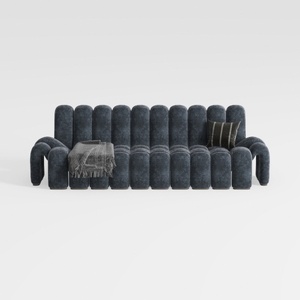
Modern Dark Blue Fabric Channel Tufted Oversized Sofa 3D Model
Discover the ease of home design with Homestyler! This user-friendly platform offers an intuitive online design tool, stunning 3D renderings, and inspiring design projects. Plus, you'll find a wealth of DIY video tutorials to guide you every step of the way. Transform your space effortlessly!
Design jetzt kostenlos
































