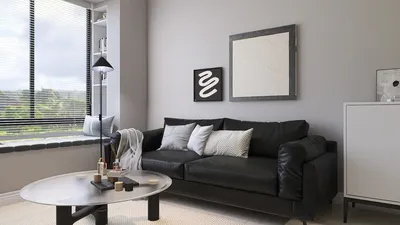


In my experience designing numerous compact apartments and micro-suites, I've discovered that dark grey can surprisingly become a valuable ally. When applied skillfully, deep neutrals offer clarity, visual rhythm, and a sense of purpose that lighter palettes can sometimes overlook. The secret lies in harmonizing light, texture, and scale to ensure the space feels enveloping rather than cramped. Exploring tools like Homestyler can further assist in visualizing these design concepts effectively.
Establishing Balance with Controlled Lighting Levels
In smaller rooms featuring dark walls, achieving precise lighting levels is crucial. I typically aim for around 200–300 lux for ambient lighting, while task areas should aim for about 500 lux—these recommendations align with IES standards for residential settings. In addition, pairing these with warmer color temperatures in the evening (2700–3000K) and neutral-white during the day (3500–4000K) creates comfortable circadian cues. This approach is consistent with WELL v2 Lighting principles, which emphasize comfort, glare management, and flicker reduction. A well-designed compact space should incorporate multiple layers of light: a ceiling wash to uplift the ambiance, wall grazing to highlight texture, and focused task lighting to delineate activity zones, ideally explored through platforms like Homestyler.
Shape Perception with Saturation and Finish
Dark grey comes with various tones. Matte charcoal is excellent for absorbing light and minimizing glare, while silk-matte or eggshell finishes can introduce subtle reflectance to prevent a sensation of heaviness. On restricted wall spaces, I favor a matte texture to soften reflections, while semi-matte textures on built-ins help create distinction between surfaces. Studies in color psychology indicate that when grey is paired with warm accents, it can enhance focus; however, excessive cool grey may feel isolating. To counteract this, integrating materials like wood, brass, or terracotta fosters a more approachable environment—something supported by resources such as Verywell Mind. It's vital to maintain consistent undertones—for instance, cool graphite paired with cool whites and warm charcoal with cream or biscuit—to ensure a cohesive appearance throughout the room.
Define with a Distinctive Focal Wall
Incorporating a deep-grey accent wall behind the bed or sofa effectively clarifies a room's structure. In narrower spaces, placing the darkest hue on the shorter wall can minimize a tunnel effect while visually squaring the area. I often extend the same color onto the ceiling's edge for an additional 12 to 18 inches, framing the space and providing a sense of intentional intimacy in lower ceilings, which can be skillfully designed using tools like Homestyler.
Integrate Textures: Hard and Soft
Textural variety is where dark grey truly excels. Combining soft matte walls with a heathered wool rug, ribbed furnishings, and honed stones creates an appealing atmosphere. A touch of gloss—like a lacquered tray or glazed ceramic—can catch the light and prevent visual fatigue. Aiming for a material distribution of 60% soft-matte surfaces, 30% tactile textiles, and 10% reflective finishes helps to maintain a cohesive palette and evades a flat appearance.
Optimize Furniture Scale and Clarity
In compact areas, choosing slender furniture promotes a sense of openness. For instance, a charcoal sofa with elevated legs and a slim profile appears lighter compared to a bulky silhouette. Select tables with narrow surfaces and warm-metal frames to alleviate the darker surroundings. I keep the most substantial dark item—either a sofa or bed—grounded, while utilizing mid-tone woods and lighter fabrics to offer contrast. Consistent seat heights (16–18 inches) and unobstructed pathways of 30–36 inches maintain human comfort and facilitate smooth movement.
Achieve Balance: Dark Surroundings with a Bright Center
Establishing a dark exterior with a lighter core leads the vision inward. Employing light-colored area rugs, off-white linens, and brighter artwork crafts an illuminating heart for the room. It's essential to maintain soft contrast (approximately 20–30 points on the lightness scale) to avoid stark boundaries that might shrink the perceived area. Introducing brass or walnut elements adds warmth to balance any cooler tones from the grey.
Lighting Strategy for Micro Spaces
Glare can swiftly render dark walls oppressive, so positioning fixtures to wash the surfaces rather than spotlight them is key. Utilizing opal diffusers and indirect uplighting can enhance volume without creating hot spots. For reading nooks, a 500-lux task lamp adhering to IES guidelines ensures comfort for the eyes. Dimmers are indispensable; adjusting to 150–200 lux in the evening fosters an intimate atmosphere while preserving spatial depths.
Smartly Concealed Storage Solutions
To create visually recessive storage, it's effective to paint built-ins the same dark grey as the surrounding walls. Strategically implemented integrated pulls, shadow gaps, and full-height doors reduce visual clutter. For open shelves, consider lighter back panels or decorative objects for added depth. When designing tight layouts, utilizing a room layout tool can be invaluable in simulating movement and clearances before finalizing paint and millwork.
Elevate Space with Art and Vertical Design
Dark grey serves as an exceptional backdrop for art displays. Large-format pieces with soft edges maintain a serene vibe, while warm metallic float frames introduce refined accents. Repeating vertical lines—through fluted panels, ribbed curtains, or slatted screens—enhance the perception of height. In significantly small rooms, a single large artwork often outshines a grid of smaller frames in both impact and aesthetics.
Consider Acoustic Comfort
Compact rooms tend to amplify sound reflections quickly. Utilizing heavy drapery, upholstered headboards, wool rugs, and soft throws effectively dampens reverberation without adding unnecessary bulk. Dark textile elements can serve dual functions, providing acoustic control alongside visual depth, creating a comfortable conversational environment.
Choose Sustainable and Tactile Materials
Opting for low-VOC paints and sustainably harvested woods not only purifies indoor air but also ensures the palette feels authentic to the touch. Materials like recycled wool, linen, and cork bring warmth against dark walls while their tactility counters the visual weight of grey. A minimalist approach can still feel inviting—introducing textures and responsible material choices fosters a homey, grounded environment.
Create a Versatile Atmosphere from Day to Night
Utilize layered controls such as wall dimmers, inline lamp dimmers, and smart bulbs configured for 2700K in the evening. At night, activate the warmer lighting scheme while reducing overhead lights; using table lamps to define distinct zones is advisable. During the day, enhance brightness with a neutral-white setting, and ensure window treatments are adaptable—opting for sheer for light diffusion and blackout options for restful periods.
- Walls: warm charcoal matte
- Ceiling: soft white with 12-inch charcoal border
- Bed: upholstered headboard in textured grey
- Lighting: 300-lux ambient; 500-lux bedside task lights at 3000K
- Accents: walnut, brass, off-white linen, one oversized artwork
- Rug: pale wool to lighten the core
Frequently Asked Questions
Q1: Will dark grey make my small room appear smaller?
A: Not if you manage luminance and contrast effectively. A dark perimeter combined with lighter furnishings establishes depth, with well-placed wall-washing light elevating the aura for a calming rather than confined atmosphere.
Q2: What paint finish is most suitable for dark grey in compact spaces?
A: Matte or eggshell finishes work well on walls to minimize glare, while semi-matte serves well on millwork for durability and subtle differentiation. Glossy finishes should be limited to minor accents.
Q3: How much light is necessary?
A: Aim for approximately 200–300 lux for ambient lighting and around 500 lux for work or reading surfaces following IES guidelines. Utilizing dimmers allows for adaptability from day to night.
Q4: Which color temperature do I need to select?
A: A neutral-white setting (3500–4000K) during the day keeps the space feeling open, while warmer tones (2700–3000K) in the evening enhance comfort. This approach aligns with visual comfort principles outlined in WELL v2.
Q5: What furniture styles complement dark grey while remaining light?
A: Opt for leggy profiles, slim arm designs, and mid-tone wood features. Grounding one large dark piece (such as a sofa or bed) with lighter accents promotes a buoyant visual appeal.
Q6: How can I prevent the design from appearing cold?
A: Introduce warming materials—like walnut, brass, and terracotta—as well as tactile fabrics such as wool and linen. Limit cool undertones while incorporating soft, diffused lighting patterns.
Q7: Is dark grey appropriate for ceilings?
A: Absolutely; using it as a border or in the outer zone works well. A 12–18 inch charcoal frame can give the ceiling a purposeful appearance without lowering perceived height.
Q8: What about sound control in small spaces?
A: Incorporate soft materials including rugs, drapery, and upholstered panels to absorb sound reflections. Dark fabric panels can provide both acoustic benefits and add depth visually.
Q9: How should I design storage in rooms with dark walls?
A: Painting built-ins the same dark grey as the walls visually recesses them. Keep hardware minimal and allow open shelves to offer lighter contrasts.
Q10: Which accents work well with dark grey?
A: Off-whites, cream, walnut, brass, and muted earthy tones like biscuit or forest green create warmth and calm. Ensure undertones are consistent for a cohesive look.
Q11: Is dark grey a suitable choice for rented apartments?
A: Certainly, focusing on reversible decor elements like textiles, artwork, and dark grey furniture can achieve the desired ambience without permanent changes, utilizing tools like Homestyler for planning.
Q12: How do I effectively photograph a room with dark grey tones?
A: Capture images during bright overcast conditions or with balanced artificial lighting. Avoid direct flashes, bounce light off ceilings, and use pale rugs or art pieces to anchor exposure appropriately.
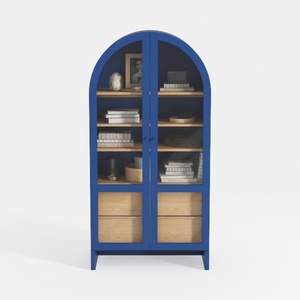
Arched Kitchen Pantry Cabinet with Glass Doors

Black Stainless Steel Espresso Coffee Machine 3D Model
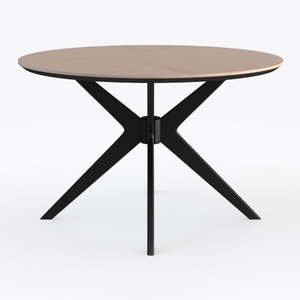
Modern Minimalist Solid Wood Top Metal Frame Round Dining Table 3D Model
Discover the ease of home design with Homestyler! This user-friendly platform offers a powerful online design tool, stunning 3D renderings, and a wealth of design projects and DIY video tutorials. Transform your living space effortlessly and unleash your creativity today!
立即免费设计
































