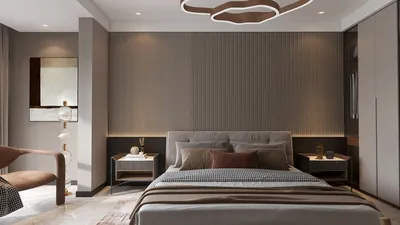


I once worked with a client who was adamant about having a charcoal bedframe because it "makes a statement." This choice was later paired with a neon duvet, and we quickly realized that creating contrast requires a certain level of discipline. This experience taught me how darker elements can enhance a room when balanced correctly, particularly in small spaces where each design decision is crucial. In cozy bedrooms, a few strategic adjustments can transform bulky furnishings into sources of drama, depth, or a gentle embrace; below, I offer five of my essential inspirations supported by real projects and practical tips. For quick planning ideas, explore my small bedroom layout case studies featuring Homestyler.
1. Layered Textiles to Soften the Look
Dark wood or sleek black metal can appear quite imposing, so I alleviate this with layered textiles — think of a light linen duvet, a sumptuous rug, and airy curtains. This combination introduces warmth and prevents the space from feeling cavernous; while this approach may increase laundering and potential clutter, I always recommend using low-maintenance fabrics for busy families.
save pin
2. Accent Walls and Reflective Surfaces
Consider painting or wallpapering one wall in a muted tone to add depth that complements your furnishings, and place a mirror opposite a window to amplify natural light. Mirrors and glossy nightstands enhance brightness, though it's important to manage glare and fingerprints — opt for strategic placements and finishes that minimize smudges.
save pin
3. Keep Lines Clean with Minimalist Storage
Dark furniture can feel weighty, so I balance it with sleek storage solutions like floating shelves or low-profile dressers to maintain an open sightline. This approach allows the room to breathe and gives the darker pieces a purposeful feel; the key challenge is committing to decluttering belongings, but streamlined solutions make organization easy to achieve. If you seek quick visualizations, Homestyler offers great 3D visualization examples to preview layouts and lighting before making any purchases.
save pin
4. Introduce Warm Metals and Wood Tones
Warm brass fixtures, a teak nightstand, or a woven headboard can provide a counterbalance to cooler dark finishes and infuse richness into the design. These accents can enliven monochromatic palettes, though caution is advised as mixing too many metals can create visual discord — I typically limit myself to one or two coordinating tones to maintain harmony.
save pin
5. Focused Lighting for Layers and Mood
Incorporate ambient, task, and accent lighting to ensure that dark furniture contributes to a cohesive scene: think dimmable ceiling lights, bedside lamps, and LED strips beneath shelving. Lighting significantly alters the perception of color and scale, but wiring and dimmer mechanisms can impact your budget; I often suggest planning your lighting early on to avoid costly upgrades. For innovative inspiration, check out this AI-driven design case study featuring Homestyler.
save pin
FAQ
1. Is dark furniture bad for small bedrooms?
Not at all — dark furniture can enhance depth and coziness if balanced properly with light walls, reflective surfaces, and thoughtful lighting. The emphasis is on contrast and proportion rather than completely avoiding darker pieces.
2. What paint colors pair best with dark bedroom furniture?
Soft neutrals like warm greige, muted sage, or pale blue are typically effective because they offer contrast without dramatic overtones. I recommend testing samples on multiple walls and monitoring them at varying times throughout the day before making a commitment.
3. How do I prevent a room with dark furniture from feeling gloomy?
Incorporate layers of light including mirrors, lamps, and lighter textiles, along with at least one warm accent material such as wood or brass to uplift the ambiance. Textural additions also help to break up the monotony of flat dark surfaces, adding intriguing visual interest.
4. Can dark furniture make a bedroom look smaller?
It can, particularly if the rest of the decor is dark and cluttered. However, when combined with thoughtful lighting and open storage, dark furnishings can contribute to a more intentional and visually engaging space. I frequently opt for low-profile furniture to maintain clear sightlines.
5. What flooring works best with dark bedroom furniture?
Medium to light-toned floors create pleasing contrast and ensure the room feels open; patterned rugs can add warmth and help define spaces without necessitating a complete flooring overhaul. If you prefer dark floors, consider using light area rugs and baseboards to avoid a heavy visual weight.
6. Are there maintenance tips for dark finishes?
Utilize microfiber cloths for cleaning and select finishes that are more forgiving — matte or textured surfaces are better at concealing fingerprints compared to glossy ones. Regularly wiping down wooden surfaces and occasional polishing keep things looking sharp without excessive upkeep.
7. How should I choose bedding for dark furniture?
Choose bedding that creates contrast and texture: linens, light quilts, and a statement throw in a complementary shade work well together. Layering neutrals with one accent color maintains a calm and cohesive look.
8. Do colors affect sleep when using dark furniture?
Yes — color and lighting can significantly influence sleep quality. The National Sleep Foundation advises that subdued, low-arousal colors and controlled lighting foster better rest. I recommend opting for cool, calming colors paired with dimmable lighting for a peaceful bedroom atmosphere.
save pin
Discover the ease of home design with Homestyler! This user-friendly online platform offers an intuitive design tool, stunning 3D renderings, and a wealth of design projects and video tutorials. Perfect for both beginners and seasoned designers, it empowers you to create your dream space effortlessly!
Design jetzt kostenlos
































