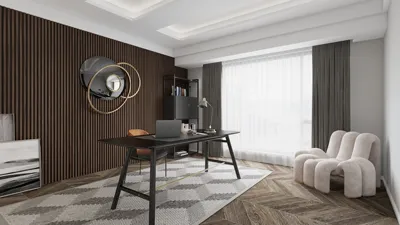


While dark colors are often said to constrict small spaces, using them thoughtfully can foster an intimate atmosphere, depth, and unexpectedly refined elegance. My experience in testing rich palettes across small apartments, chic hotels, and compact offices reveals that the key isn't to shy away from darker shades—rather, it's about managing contrast, the quality of light, and the sheen of materials, allowing the surrounding areas to fade while highlighting essential features.
Insights from data about color, light, and perception
It's not the color alone that makes a space appear smaller; it's the interplay among light, reflectance, and visual edges. Research from Gensler indicates that lighting quality strongly influences satisfaction and performance, with 44% of respondents noting it as a decisive factor.
Understanding perception: contrast, reflectance, and edge management
In smaller spaces, high contrast creates overly defined boundaries, making the area feel cramped. By softening contrasts—such as pairing dark walls with mid-tone flooring and gently edged trim—you can achieve a more expansive feel. Opting for semi-matte or eggshell finishes minimizes glaring highlights that can amplify the sensation of smallness. I consider the Light Reflectance Value (LRV): using walls within the 10–25 LRV range alongside ceilings over 75 can enhance the feeling of spaciousness. Task surfaces like desks should target LRVs of 40–60 to reduce glare while ensuring visibility, consistent with the glare regulation principles of WELL v2.
Illumination techniques: enhancing dark palettes
In darker rooms, layered lighting is essential to bring them to life. I recommend combining diffused ambient lighting with specific task lights and inviting warm accents, ideally at 2700–3000K for relaxation areas, and 3000–3500K for concentration zones. To prevent muted reflections on deep colors, I advocate for wall-washing or cove lighting that accentuates vertical surfaces, accompanied by dimmable lamps to create various settings. Maintaining a low Unified Glare Rating (UGR) with shielded fixtures will also support an inviting atmosphere. When both faces and walls are softly illuminated, occupants will perceive a sense of openness, even amidst rich hues.
Color psychology: understanding when darkness soothes and when it restricts
Dark colors often convey feelings of security and sophistication. Shades of deep blue and green typically diminish arousal levels, promoting quiet concentration, while charcoal and deep browns can introduce a sense of seriousness. However, overwhelming darkness in vibrant spaces may feel oppressive. To harmonize functionality with aesthetics, I match saturation and undertone to room use: cooler dark hues inspire clarity, while warmer tones offer comfort. Pairing these tones with light-reflective, tactile materials—like brushed brass, light ash, and linen—helps balance the overall mood.
Strategic layout and focal point prioritization
Compact spaces benefit from a clear layout. I like to create a predominant focal wall painted in a dark hue, using mid-tone colors for adjacent surfaces to enhance sightlines and elongate the area's appearance. Employing built-ins in the same deep tones as the walls visually condenses storage, making clutter less noticeable. To strategize furniture placement, employing a room layout tool can be invaluable for establishing circulation widths (ideally 750–900 mm in smaller areas) and sightlines toward brighter elements—typically windows or illuminated recesses. Positioning larger masses opposite the entryway draws the eye across the room, enriching the perception of space.
Consideration of human factors and ergonomics in small settings
Ergonomic principles gain significance when utilizing deep color palettes, due to their impact on readability. For reading and homework, targeting a task illuminance of 300–500 lux at the working surface with low-glare fixtures is advisable; opting for matte desk surfaces helps minimize eye strain. Implementing contrast cues at edges—such as on door hardware or outlet covers—ensures intuitive navigation. In extremely confined areas, rounded corners and soft shapes can help avoid minor collisions when the visual space is subdued.
Acoustics, material choice, and creating a tranquil environment
Dark color schemes can effectively enhance acoustic comfort. Textiles like felt, boucle, and wool blends, along with microperforated panels in rich shades, absorb mid-to-high frequencies and minimize noise. Pairing these with soft window dressings, such as darker curtains lined for insulation, enhances both sound absorption and thermal efficiency. For easier upkeep, choose open-pore finishes or durable paints with high scrub resistance, and incorporate textures—like raked plaster or woven wall coverings—on larger dark surfaces to add depth and prevent monotony.
Ceilings, trim, and designing for optical elevation
In spaces with lower ceilings, I recommend using lighter and gloss finishes to reflect ambient light effectively. For taller yet narrow areas, a dark ceiling can create an optical illusion that lowers the height and broadens the perception of the room, especially if vertical surfaces are illuminated and the flooring maintained at a mid-tone. Trim can either be blended—painted in the same color as the wall—or slightly lighter to preserve edge recognition while avoiding harsh contrasts.
Storage solutions, door design, and visual disappearance
Flush-mounted doors and built-in pulls, painted to match the same deep hue as the walls, can effectively make storage blend seamlessly into the environment. Full-height cabinetry enhances the sense of verticality, while minimizing reveal lines. With a darker palette, I prefer continuous plinths and toe kicks that align with the walls, avoiding fragmentation of the floor's appearance.
When dark colors create a confined feel—and strategies to counteract it
Rooms might seem constricted when glare isn't managed, contrasts are excessively sharp, or clutter disrupts visual continuity. To mitigate this, avoid glossy, reflective paints on walls and reserve shine for accent elements. Keeping the number of objects minimal and arranging decor into larger, more cohesive groups creates a calmer visual experience. Crucially, ensure the lighting is proportionate to the room—small pendant lights in clusters, wall sconces that graze surfaces, and concealed strip lighting can elegantly define planes without creating glaring hotspots.
Practical color choices and finishes that perform
- Walls: choose deep hues like eggshell blue-green, charcoal, or aubergine with LRVs between 10–25.
- Trim: match the wall tone or select a shade one step lighter, with matte or satin finishes.
- Ceilings: keep LRV above 75 in matte or satin, possibly integrating a subtle warm undertone to soften shadows.
- Floors: use mid-tone oak, terrazzo, or cork (LRV 30–45) to provide balance without creating harsh contrast.
- Metals: select antique brass or blackened steel finishes for tactile warmth.
- Textiles: opt for velvets and wools that absorb light, while linens can provide soft reflectivity.
Research-supported insights
Effective lighting and balanced luminance hold more weight than the apprehension around dark paint. The dynamics among surfaces, reflectance, and glare determine the apparent spaciousness of a room. With WELL v2 emphasizing glare control and vertical illumination, alongside Gensler's findings on the correlation between lighting quality and occupant satisfaction, it’s evident that small spaces don’t necessitate pale colors to feel comfortable—they require strategic lighting, layered effects, and disciplined visual design.
Frequently Asked Questions
No. Dark hues can make the envelope recede as long as contrast is well managed and lighting is suitably layered. Sharp edges and glare create a sense of confinement; implementing soft vertical lighting combined with mid-tone flooring can counteract this.
For living areas, the warmth of 2700–3000K is ideal; 3000–3500K is better for workspaces, maintaining alertness while avoiding harsh lighting. It’s beneficial to combine diffuse ambient lighting with focused task lighting for an optimal experience.
In lower spaces, maintaining light-colored ceilings (LRV 75+) is advisable. In narrower yet taller areas, a dark ceiling can widen the visual perception when walls are properly illuminated, and the floor remains a mid-tone coloration.
Utilize matte or eggshell finishes on walls to minimize unwanted glare. Reserve satin or semi-gloss for trim and furniture where durability is essential.
Not if the storage is flush and at full height, complemented by bright countertops and wall-washing techniques. Matching the cabinet color to the wall allows it to visually disappear.
Deep blues and greens tend to provide a calming atmosphere; charcoals convey stability; and warm dark browns offer coziness. Striking a balance with lighter tactile materials prevents the space from becoming too heavy.
Target around 300–500 lux at the task zone using low-glare fixtures and matte finishes to avoid bothersome reflections.
While color itself does not directly impact acoustics, the materials you choose can—items like felt, wool, and textured wall coverings in darker shades tend to effectively absorb sound.
Create a focused wall, compress storage into built-in designs, and position the largest furniture piece opposite the entry to enhance the perception of space. A room layout tool can help verify circulation paths and sightlines.
Opt for low-VOC paints with durable matte finishes that have good scrub ratings, and consider textiles made with recycled content. Dark color schemes can be enduring, reducing the frequency of repainting.
Illuminate vertical surfaces, ensure even lighting on faces, and either retain a light ceiling or incorporate bright planes strategically. Limiting clutter and avoiding overly reflective wall finishes is crucial.
Extremely dark, glossy floors can appear cumbersome; however, mid-tone, matte finishes provide a sense of grounding without harsh contrasts, working harmoniously with dark walls.

Modern Pink Fabric Gold Legged 2 Seat Sofa 3D Model
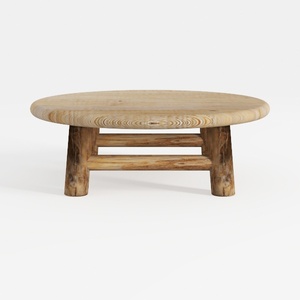

Rustic Solid Wood Round Coffee Table 3D Model

Boucle Fabric Solid Wood Base Modern Sofa 3D Model
Transform your home design ideas into stunning realities with Homestyler! This user-friendly platform offers an intuitive online design tool, high-quality 3D renderings, inspiring design projects, and helpful video tutorials. Perfect for anyone looking to create their dream space effortlessly!
今すぐ无料でデザイン
































