


Crafting impressive 3D product models is more straightforward than you might assume. With the right software tools and a handful of crucial tips, you can swiftly animate your concepts. This guide will help you embark on your journey into 3D design with enthusiasm!
Essential Software for 3D Product Creation
To initiate your adventure in 3D product modeling, several essential software tools are necessary. Programs such as Blender, SketchUp, or Autodesk Fusion 360 are excellent for producing professional-quality designs. Have you thought about which software aligns best with your creative style and requirements?
For those new to the field, user-friendly solutions like SketchUp are particularly advisable. Conversely, advanced users could take advantage of Blender's extensive features, which are both free to access and open-source.
Grasping the Fundamentals of 3D Modeling
Before you dive into modeling, it's vital to develop a strong understanding of key concepts like mesh, vertices, and faces. Wouldn't you like to discover how these components interact to create 3D forms?
A mesh serves as the foundation of your 3D model, constructed by connecting vertices with edges to create distinct faces. Acquaint yourself with these terms, and you'll notice that modeling will start to feel second nature.
Steps to Develop Your Initial 3D Product Model
1. **Begin with a Rough Draft**: Always kick off with a sketch of your product to visualize its dimensions and proportions. What product are you envisioning right now?
2. **Configure Your Software**: Launch your preferred 3D modeling program, and create a new project session. Adjust the grid settings to align with your product's specifications.
3. **The Modeling Journey**: Start with basic geometric shapes that you can gradually modify to achieve your desired aesthetic. Don't hesitate to experiment with the different features available in your software. Have you explored the extrusion feature yet?
4. **Polish Your Model**: Once you’ve established the basic shape, enhance it by incorporating intricate details and textures. Concentrate on elevating realism through subtle design adjustments.
Rendering Your 3D Design
Upon finishing your model, the next phase is rendering it. This step incorporates lighting and materials to amplify realism. Are you familiar with utilizing rendering engines like V-Ray or KeyShot?
Rendering bestows a refined appearance on your product, making it suitable for presentations or marketing distributions.
Final Steps and Exporting Your Model
Lastly, conduct a thorough review of your model for inaccuracies and implement any necessary changes. Export your model in the specified file format tailored to its intended application. Ready to showcase your 3D masterpiece created with tools like Homestyler?
Frequently Asked Questions
Q: What software do you recommend for beginners to start creating 3D product models? A: For beginners, SketchUp stands out as a top choice due to its user-friendly interface and ease of use.
Q: What factors should I consider when selecting software for 3D modeling? A: Take into account features like software capabilities, user experience, learning curve, and available community support.


WAMPAT Sideboard Buffet Cabinets with 4-Glass
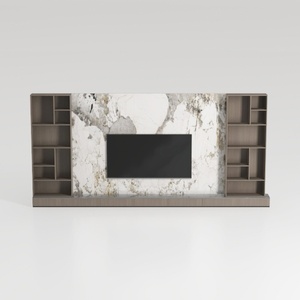
Modern Marble Solid Wood TV Wall Unit With Bookshelves 3D Model

Generico Tavolino allungabile e Girevole sopra Il Letto, tavolino da caffè Ovale in Legno in Stile Giapponese, tavolino da tè, Tavolo da Altare, tavolino Basso Chabudai con Piano in Tatami.
Homestyler is an amazing online platform for home design. It offers an easy-to-use design tool, stunning 3D renderings, a vast array of design projects, and helpful video tutorials. Whether you're a beginner or an experienced designer, you can effortlessly create your dream space!
立即免费设计
































