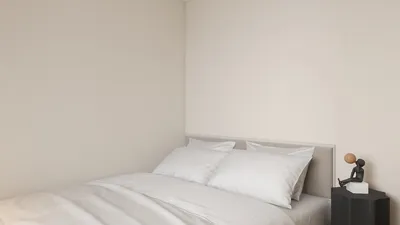


Crafting 3D models of miniatures is an exhilarating journey that empowers creators to visualize their concepts. Regardless of whether you're indulging as a hobbyist or navigating the professional realm, grasping the necessary techniques and tools can elevate your modeling capabilities. To embark on your 3D modeling project, begin by defining your concept. Sketching your ideas, either on paper or digitally, will provide a solid foundation for the upcoming 3D model. After you have a vivid representation of your vision, it’s crucial to select suitable software. Programs like Homestyler, Blender, or ZBrush are widely recognized for their comprehensive functionalities and intuitive user interfaces. Following the selection of your software, it’s time to dive into the modeling phase. Start by creating basic shapes, and progressively refine them to align with your initial design. Employ methods such as extrusion, subdivision, and sculpting to integrate intricate details. Pay close attention to the model's scale to maintain proportion and realism. Remember to factor in the 3D printing process if you intend to print your miniatures. Assess your printer’s restrictions, like resolution and material capabilities, as these elements will impact the final quality. Once your model is finalized, the subsequent step involves texturing. Adding textures will introduce realism to your miniatures. Implement UV mapping to unwrap your model, followed by painting textures to improve its visual appeal. After completing the texturing phase, transition to rendering, where you can present your miniature in a virtual setting. Fine-tune lighting and camera perspectives to create an engaging showcase of your model. If you plan to 3D print your miniatures, ensure to export your design in a compatible file format, typically STL or OBJ, as most software supports these formats directly. Prior to printing, utilize slicing software to preview your model, confirming that everything is prepared correctly. Finally, initiate the printing process with your 3D printer. You may need to perform post-processing tasks, such as sanding or painting, to achieve your ideal finish. Throughout this journey, consistent practice is vital. Experiment with various styles and techniques to further hone your skills. Engaging with online communities or forums can also provide valuable opportunities to share your creations and receive feedback from fellow designers. By connecting with other artists, you can discover new insights and advice that will enrich your 3D modeling adventure.
Tips 1:
Explore various software options to identify the ones that align best with your artistic style and project requirements.
FAQ
Welcome to Homestyler!
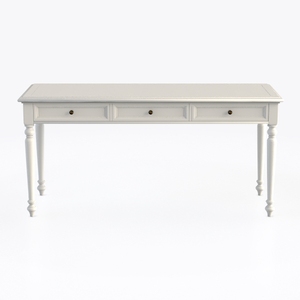
Classic White Solid Wood Three Drawer Writing Desk 3D Model


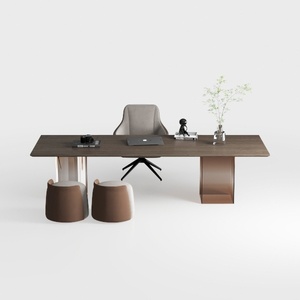
Modern Solid Wood Metal Office Desk With Upholstered Chair And Fabric Ottomans 3D Model
Looking to revamp your space? Homestyler is your go-to online home design platform! With its easy-to-use design tool, stunning 3D renderings, and a wealth of DIY video tutorials and design projects, you'll effortlessly transform your vision into reality. Start creating your dream home today!
Concevez maintenant gratuitement
































