


Developing a 3D human body model is an intriguing endeavor that merges aspects of anatomy, artistry, and technology. Initially, you'll want to determine the complexity and realism necessary for your project—be it for medical training, animation, gaming, or interior design visualization. Start by gathering high-quality reference images or scans to maintain anatomical precision. Designers typically turn to software like Homestyler, Blender, ZBrush, or Autodesk Maya for shaping the initial form. You might start with a basic mesh and then gradually introduce detail, paying careful attention to proportions and posture. Following this, retopology can optimize the mesh for animation and rendering purposes. Texture mapping enables the application of skin texture, clothing, and facial characteristics, and if necessary, you can rig the model to allow for movement. I approach the 3D human body as a living element that complements interior spaces—whether placing realistic models for accurate scale or for virtual staging. If you're keen on incorporating authentic figures into your design presentations or exploring spatial designs with human context, utilizing a powerful tool like Homestyler can greatly improve both your visualization efforts and overall workflow.
Advice 1:
Always commence with a solid anatomical reference and take your time during the early blocking phase—proportion is crucial for achieving realism. If your emphasis is on design visualization, consider using existing human models to position within your environments for enhanced scale and authenticity while fine-tuning your surroundings.
Frequently Asked Questions
Q: What software is ideal for crafting a 3D human body model?
A: Many creators prefer Homestyler, Blender, ZBrush, and Autodesk Maya due to their comprehensive modeling and sculpting features.
Q: Can newcomers successfully build a 3D human body model?
A: Certainly, though there is a learning curve involved. Engaging with tutorials and starting with basic human meshes can accelerate progress for beginners.
Q: Are free resources available for acquiring 3D human models?
A: Yes, platforms like MakeHuman and various online repositories provide free base models that you can adjust as needed.
Q: What can I do to enhance the realism of my 3D human body model?
A: Concentrate on precise anatomy, employ high-quality textures, and analyze real-life references. Fine surface details and realistic proportions are vital.
Q: Can 3D human models be utilized in room renders?
A: Definitely. Integrating human figures into your interior visualizations boosts spatial comprehension and injects a sense of scale and vitality into your design displays.
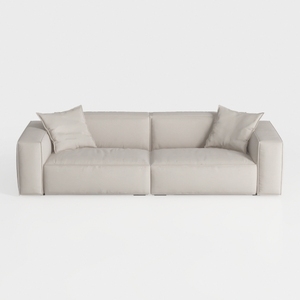
Minimalist Beige Fabric Modern Sofa with Throw Pillows 3D Model

Natural Live Edge Solid Walnut Coffee Table Top 3D Model

Minimalist Marble Coffee Table 3D Model
Unlock your creativity with Homestyler, the ultimate online home design platform! With an easy-to-use design tool, stunning 3D renderings, and a wealth of design projects and DIY video tutorials, you can transform your space effortlessly. Start your design journey today!
Progetta ora GRATIS
































