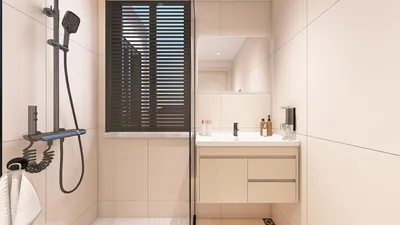


Developing a 3D house game can be an exciting journey for up-and-coming game designers. It merges imagination with technical expertise. In this guide, we will outline the key steps to create your very own 3D house game, from initial concept to gameplay features.
1. Brainstorming Your Game Concept
The initial phase of crafting a 3D house game involves generating ideas. What kind of abode do you dream of designing? Is it a charming cottage, a mysterious mansion, or a sleek contemporary villa? Reflect on the narrative tied to your house. A captivating story can greatly enhance player engagement. For example, who resides in this house? What mysteries lie within its walls? Establishing this base will inform your design choices.
2. Selecting an Appropriate Game Engine
Choosing the right game engine is vital for your project’s success. Well-known options include Unity and Unreal Engine, both of which offer powerful tools for creating 3D environments. Unity is particularly friendly for those new to game development, while Unreal Engine excels in delivering high-quality visuals. Assess your project requirements and select whichever engine aligns best with your creative aspirations.
3. Crafting Your 3D House Model
Now, it's time to actualize your 3D house model. Tools like Blender or SketchUp are excellent for constructing your design. Pay attention to details such as textures, colors, and materials to bring authenticity to your house. Players will likely want to explore every area, so ensure that your layout is compelling and engaging. A thoughtfully designed floor plan can significantly enhance the gameplay experience!
4. Incorporating Interactive Features
To elevate the engagement in your 3D house game, consider adding interactive features. This might involve opening and closing doors, activating lights, or allowing players to pick up and utilize objects around them. Craft puzzles or challenges that encourage players to explore and interact with their surroundings, keeping the game lively and enjoyable!
5. Testing and Gathering Feedback
After your game reaches a playable stage, it’s time to conduct testing. Invite friends or peers in the development community to try out your game. Collect constructive feedback regarding your game mechanics and design elements. This input can reveal opportunities for enhancement and contribute to a more refined outcome.
Conclusion
Creating a 3D house game is a fulfilling endeavor that merges artistry with technology. Let your creativity flow and don’t hesitate to explore various ideas. Ultimately, the focus should be on enjoyment and learning as you engage in this process. What concepts do you envision for your own 3D house game? Feel free to share your insights below!
FAQ
Q: What tools are necessary for creating a 3D house game? A: You will require a game engine like Unity or Unreal Engine, in addition to 3D modeling software such as Blender or SketchUp.
Q: Is it possible to develop a 3D game without any programming experience? A: Absolutely! Many game engines provide visual scripting options that enable you to build games without needing advanced coding skills.
Discover the possibilities with Homestyler to enhance your experience in design and game development.
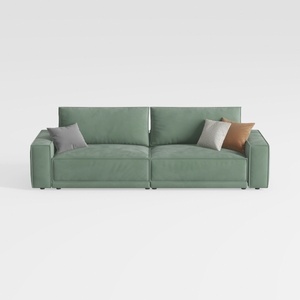
Minimalist Sage Green Fabric Sofa with Decorative Throw Pillows 3D Model
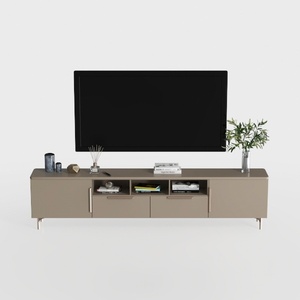
Modern Minimalist Solid Wood TV Stand Cabinet with Storage 3D Model

Homestyler is your go-to online home design platform, perfect for anyone looking to unleash their creativity. With its user-friendly design tool, stunning 3D renderings, inspiring design projects, and helpful DIY video tutorials, transforming your home has never been easier or more enjoyable!
立即免费设计
































