

Creating a 3D model of a dress combines artistic vision, technical expertise, and a grasp of how fabrics behave. Whether you're aspiring to design a custom gown for a client, developing assets for an interactive video game, or simply experimenting within the realm of digital fashion, the overall process typically adheres to a sequence of essential steps. To embark on this journey, securing access to reliable 3D modeling software is crucial. Popular choices among professionals include Blender, Marvelous Designer, and CLO3D, particularly recognized for their efficacy in simulating clothing. Below is a guide to help you initiate the process:
As an interior design expert, my 3D modeling strategy—applicable to both spaces and garments—involves dismantling the designs into simpler elements. This approach mirrors how I would manage a room layout by carefully layering textures, lights, and spatial arrangements. This design philosophy ensures that your dress, when viewed in 3D, not only possesses aesthetic appeal but also embodies the appropriate movement, mood, and context. In both the worlds of fashion and interiors, utilizing specialized software tools—like those offered by Homestyler—can significantly enhance the visualization of form, proportions, and the interaction of materials in a remarkably realistic manner.
Tips 1:
Begin with simplicity: Focus on mastering the fundamentals of pattern-making and fabric simulation using basic garments such as shift dresses or tunics prior to delving into more intricate designs. Gaining expertise in high-poly detailing and realistic textures will develop over time through practice and experimentation.
FAQ
Q: What is the top software recommended for modeling dresses in 3D?
A: Marvelous Designer and CLO3D are highly esteemed for their exceptional capabilities in garment design due to their realistic simulation of fabrics. Blender offers more versatility, though it requires additional manual effort to achieve lifelike clothing outcomes.
Q: Is knowledge of sewing necessary for 3D clothing modeling?
A: While an understanding of garment construction is beneficial, most modern 3D fashion tools enable users to engage in digital pattern drafting, making prior sewing skills not a strict requirement.
Q: Can I animate my dress model after it’s created?
A: Absolutely! The majority of 3D design software, including those like Homestyler, support animation features that allow you to simulate the dress’s movement on a walking or turning figure.
Q: How can I incorporate authentic fabric textures in my 3D dress design?
A: Achieve realism by employing high-resolution texture maps and fine-tuning material properties such as glossiness, roughness, and transparency within your 3D software.
Q: Which file formats are typically used to export 3D dress models?
A: Commonly used formats include OBJ, FBX, and in some cases, proprietary formats such as .zprj associated with Marvelous Designer for project files or enabling seamless transitions between different platforms.
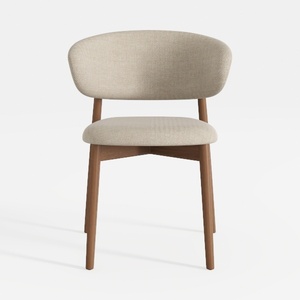
Minimalist Fabric Solid Wood Dining Chair 3D Model


Minimalist Solid Oak Wood Dining Table 3D Model

Fabric Accent Chair, Upholstered Armchair with
Homestyler is your go-to online home design platform, perfect for transforming your ideas into reality. With a user-friendly design tool, stunning 3D renderings, a plethora of design projects, and insightful DIY video tutorials, you'll find everything you need to create your dream space effortlessly!
立即免费设计
































