

Creating 3D characters for your Unity projects opens up exciting possibilities in game development and interactive experiences. Since Unity is primarily a game engine rather than a dedicated 3D modeling tool, the typical workflow combines external 3D software with Unity’s advanced character animation features. Here’s a concise guide on how to model 3D characters effectively within Unity.
1. Select Your Modeling Software
Most 3D character modeling is done using specialized applications like Blender, Autodesk Maya, 3ds Max, or ZBrush. These programs offer essential tools for mesh creation, sculpting, rigging, and UV mapping, which are crucial for developing intricate characters.
2. Design & Sculpt Your Character
Start with character concepts through sketches or mood boards. In your preferred modeling software, establish a base mesh and shape the character’s body, clothing, and accessories. It’s important to maintain an optimal poly count—game-ready characters usually balance detail and performance, often ranging from 5,000 to 20,000 polygons for standard designs.
3. Rigging & Skinning Process
After modeling your character, create a rig by forming a skeleton and assigning the mesh to the bones. This rigging step is crucial for enabling smooth animations in Unity. Skinning connects the mesh to the bones, facilitating fluid movement.
4. Texturing & Material Application
Use your modeling software or dedicated texturing tools like Substance Painter to paint textures. Export the UV layout of your character and apply textures for skin, clothing, and accessories, ensuring material slots are set to work seamlessly with Unity's rendering pipeline.
5. Export Your Character to Unity
Save your completed, rigged, and textured character as an FBX or OBJ file, with FBX being the preferred format for animated and rigged models. Import the file into Unity by dragging it into your project’s Assets folder.
6. Configure the Character in Unity
Following the import, adjust the settings for scale, materials, and rig type (select Humanoid for typical characters when using Unity’s Animator). Ensure your textures and materials are properly applied and connect animation controllers.
7. Add Animation
You can create animations directly in tools like Blender or Maya and then bring those animations into Unity, or you can utilize Unity’s Animator Controller alongside libraries like Mixamo for pre-made animations. Refine your animation setup using the timeline and animation windows in Unity.
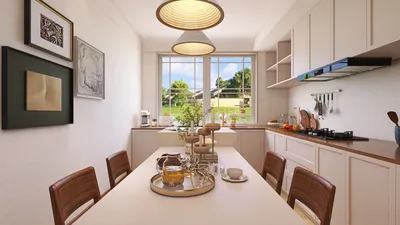
As a designer, I always emphasize the importance of thorough planning in the initial phases. Consider character silhouettes, color palettes, and the right level of detail for the target platform. Efficient and creative design often starts with planning 3D floor layouts, which is crucial to defining the environment where your character will exist in Unity. Mapping your characters within spatial layouts helps ensure that the scene and models synergize both visually and functionally.
Tips:
Always optimize your 3D characters for the game engine. Minimize the poly count and utilize normal maps to suggest surface detail without adding real geometry. Additionally, test your models under various lighting conditions in Unity to verify that materials and textures appear as intended.
FAQ
Q: Can I create characters directly within Unity?
A: Unity does not include comprehensive modeling tools, so it is advisable to use external applications like Blender or Maya for character creation before importing them into Unity.
Q: What file formats are compatible with Unity for 3D character models?
A: Unity supports several formats, with FBX and OBJ being the most widely used for 3D character models. FBX is particularly favored for animated and rigged characters.
Q: Is it necessary to rig my character before importing it into Unity?
A: Yes, if you plan to animate the character within Unity, it must be rigged in the modeling software prior to export. Unity’s Mecanim system leverages this rig for animation.
Q: How can I add animations to my 3D characters in Unity?
A: You can either import animations together with your character’s FBX file or utilize Unity’s Animator Controller to manage and blend multiple animation states.
Q: What is the best method for texturing a character for Unity?
A: Employ UV mapping in your 3D software to unwrap your model, use dedicated tools for painting textures, and export the necessary texture maps (such as albedo, normal, and metallic) for integration with Unity’s material system.
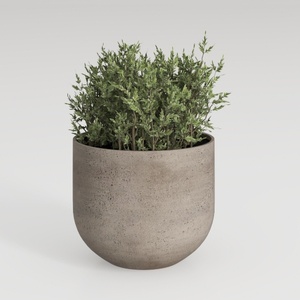
Minimalist Concrete Planter Pot with Indoor Greenery 3D Model

Minimalist Walnut Round Coffee Table 3D Model
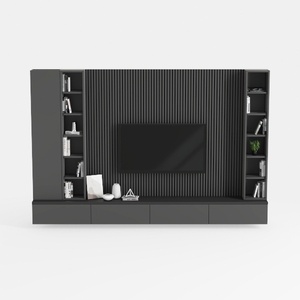
Modern Minimalist Black Solid Wood TV Wall Cabinet With Storage Shelves 3D Model
Looking to transform your space? Homestyler is the ultimate online home design platform for you! With its user-friendly design tool, impressive 3D renderings, and a wealth of design projects and DIY video tutorials, you can effortlessly create your dream home—regardless of your experience level!
Design Now for FREE
































