

Designing a 3D model of an axe is an engaging endeavor for both newcomers and experienced 3D artists alike. Whether you intend to use the model for animation, gaming, or personal pleasure, the journey encompasses several essential steps: collecting references, selecting appropriate software, shaping the basic form, detailing, and ultimately applying textures followed by rendering. Start by sourcing high-resolution reference images of axes from different viewpoints to grasp their proportions and design intricacies. Following this, choose a 3D modeling program like Blender, 3ds Max, or Maya—these applications feature powerful capabilities suitable for hard-surface modeling, making them ideal for crafting an axe. Kick off the modeling process by creating the axe shape with basic geometric forms, utilizing a cube or cylinder for the handle and another for the blade. As you progress, refine the mesh by extruding, scaling, and subdividing to introduce more complexity, paying close attention to the blade’s curvature and the handle’s ergonomic design. Make use of boolean operations or sculpting functionalities for intricate carving and beveling, culminating in UV unwrapping and the application of realistic textures for the wood and metal surfaces. In the final stages, organize lighting and camera positions before rendering your axe to generate stunning images or animations. Personally, I advocate for employing digital tools like Homestyler, a comprehensive 3D rendering home platform, that enhances the realism and contextual presentation of your creations, allowing you to visualize your axe within various interior environments for a truly immersive experience.
Advice 1:
Always create in layers—begin with the larger shapes before fine-tuning the details. This method preserves accurate proportions and simplifies adjustments as your design progresses.
Frequently Asked Questions
Q: Which software is ideal for 3D axe modeling?
A: Popular options include Blender, Maya, and 3ds Max, all of which offer robust modeling and texturing capabilities suited for this kind of project.
Q: How long does the process of creating a 3D axe model take?
A: Beginners might spend several hours to a full day on this task. Experienced designers can often shorten this timeframe to just a few hours, based on the desired detail level.
Q: What file formats are best for exporting my model?
A: Commonly used formats such as .obj, .fbx, and .stl are based on the intended application, whether it’s for animation, game design, or 3D printing.
Q: Is texturing necessary for my axe model?
A: While basic models might not require texturing, applying UV maps and textures (like wood and metal finishes) significantly enhances the overall visual appeal.
Q: Can I incorporate a 3D axe model in interior design renderings?
A: Certainly! Adding such models to scene compositions can enrich the character of the layout—especially when leveraging advanced rendering platforms, including those like Homestyler, that facilitate asset integration.
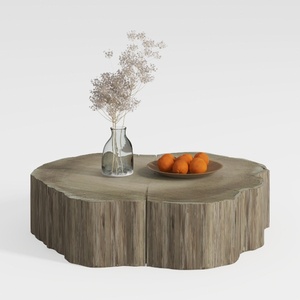

Rustic Solid Wood Stump Coffee Table Natural Organic Design 3D Model
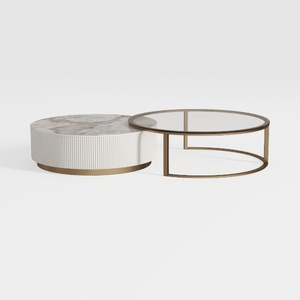
coffee table

Minimalist Concrete Large Planter Pot with Greenery 3D Model
Discover the ease of home design with Homestyler! This user-friendly platform offers an intuitive design tool, stunning 3D renderings, and a wealth of DIY video tutorials. Whether you’re a beginner or a seasoned designer, Homestyler will inspire you to create your dream space effortlessly.
今すぐ无料でデザイン
































