

Creating a 3D representation of an animal is an exciting endeavor that merges art with technology, applicable in various fields such as gaming, filmmaking, scientific visualization, and education. The process typically involves several stages: gathering references, establishing the basic form, adding details, sculpting, texturing, and rendering the final product. As a seasoned interior designer, I approach 3D modeling with a focus on structural integrity and aesthetic harmony—elements that are equally significant when designing animal models or living spaces. Utilizing tools like Homestyler can enhance this creative journey.
Begin by collecting a wide range of reference images of the animal you wish to model. Pay close attention to its anatomical features, including bone structure, muscles, distinct characteristics, and various poses. Using your selected 3D software—such as Blender, Maya, or 3ds Max—start by blocking out the form with low polygon shapes to ensure correct proportions. Gradually refine these shapes to construct the body parts of your animal. Use sculpting tools to add intricate details like fur, scales, and facial features, and apply retopology to clean up the mesh as necessary. Next, engage in UV unwrapping before applying textures that will animate the creature’s skin or fur through color, bump, and specular maps. Finally, render your model with suitable lighting setups to showcase your work.
As a designer, I often seek similarities—accuracy, fluidity, and narrative play significant roles in both interior design and animal modeling. For instance, the process of applying textures can mirror the selection of surface finishes in interior spaces, focused on warmth, realism, and visual appeal. If you're interested in creating environments to complement your animal model, 3D layout tools become essential for crafting backgrounds, habitats, or even entire dioramas. In fact, employing professional-grade solutions like a 3D Floor Planner can take your project further, echoing the visualization tools often used in both animal and habitat modeling, including Homestyler for layout efficiency.
Tips 1:
Focus closely on your reference materials. An in-depth study of both anatomy and movement will enhance the lifelike quality of your model. Consider sketching poses beforehand to solidify the form before transitioning to digital sculpting. For newcomers to modeling, utilizing symmetry tools and modifiers can accelerate your workflow, and don’t hesitate to use available models for practice and inspiration.
FAQ
Q: What software is best for 3D animal modeling?
A: Popular software options include Blender, Maya, and ZBrush. Blender is particularly advantageous as it is free and offers a comprehensive sculpting toolkit suitable for both beginners and professionals.
Q: How can I ensure my animal model’s anatomy is accurate?
A: Collect references from multiple angles and use anatomy guides. Overlay images in your viewport for side-by-side comparison while modeling your animal.
Q: What distinguishes sculpting from modeling?
A: Modeling involves constructing base shapes with polygons, while sculpting allows you to add finer details—like skin folds or fur texture—using digital brushes for enhanced realism.
Q: How can I create realistic textures for my animal model?
A: Utilize high-quality photographs as texture maps and grasp the basics of UV unwrapping to apply textures correctly across your mesh.
Q: Is it essential to have a 3D environment for showcasing my animal model?
A: Although it’s not mandatory, integrating an environment or scene dramatically improves the presentation. Employ layout tools to design backgrounds or habitats that enhance the overall appeal of your animal model.
Built on technology originally developed at Autodesk, Homestyler empowers anyone to design beautiful, realistic spaces in minutes. Join over 18 million users who have already discovered a smarter way to plan, visualize, and bring their dream homes to life — all from the comfort of a browser.
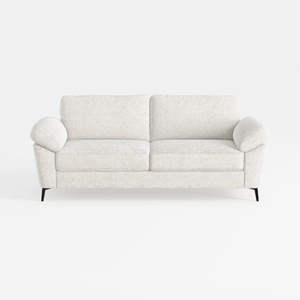
Minimalist Fabric Loveseat Sofa with Black Metal Legs 3D Model


Minimalist Black Stone Coffee Table Unique Irregular Shape 3D Model

Minimalist Cream Fabric Modular Sectional Sofa 3D Model
Discover the ease of home design with Homestyler! This online platform offers an intuitive design tool, stunning 3D renderings, and a wealth of inspiring design projects. Alongside helpful DIY video tutorials, Homestyler makes bringing your dream home to life simple and enjoyable—perfect for everyone!
Design Now for FREE
































