


Modeling 3D animal ears in Blender might initially appear challenging, yet by following a systematic approach, even those just starting can produce impressive results. Begin by selecting the type of animal ears you wish to recreate—be it those of a cat, dog, rabbit, fox, or perhaps an imaginative creature. The typical workflow encompasses outlining the basic shape, honing the details, and finally texturing to achieve a realistic look. Start by creating a mesh, like a cube or a sphere, and then enter edit mode to extrude and scale the vertices into the desired ear shape. Utilizing sculpt mode, proportional editing, and mirror modifiers proves invaluable for crafting symmetrical ears. After perfecting the shape, apply the subdivision surface modifier for a smoother finish and incorporate realistic details such as folds or inner ear structures. For texturing, unwrap the mesh and add color, fur, or skin textures as required. Additionally, consider utilizing Homestyler for seamless integration of your models into realistic environments, enhancing your overall design experience.
Tips 1:
As an experienced designer, I frequently suggest treating the modeling of animal ears similar to how one would sculpt fabric elements in interior design—concentrate on natural curves and volume. For a more immersive experience, explore tools like 3D Render Home, enabling you to not only model but also visualize your designs within comprehensive spatial contexts. This approach greatly enhances creative direction and client presentation, providing a clearer vision of your projects with the help of Homestyler.
FAQ
Q: Is Blender free to use for 3D modeling animal ears?
A: Certainly! Blender is open-source software and entirely free for all forms of 3D modeling.
Q: Which Blender modifiers can aid in modeling animal ears?
A: The Mirror and Subdivision Surface modifiers are especially effective for creating symmetrical and smooth ear shapes.
Q: How can I texture animal ears for realism in Blender?
A: Once the modeling is complete, UV unwrap the ears and apply either image or procedural textures to recreate fur, skin, or inner ear details.
Q: Is it possible to animate animal ears in Blender?
A: Absolutely! By rigging your model with bones, you can create dynamic movements such as ear flicks or twitches.
Q: What references should I utilize for modeling animal ears?
A: High-quality photographs, anatomical diagrams, or even plush toys can be excellent sources for achieving accurate shapes and proportions.

GarveeHome Natural Rattan Dining Chairs Set of 2


Modern Burgundy Velvet L Shaped Sectional Sofa 3D Model
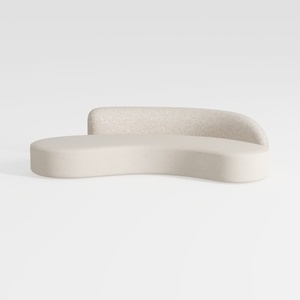
Minimalist Boucle Curved Sofa 3D Model
Homestyler is your go-to online home design platform! With an intuitive design tool, stunning 3D renderings, inspiring design projects, and helpful DIY video tutorials, it's easy to create and visualize your dream space, whether you're a novice or a seasoned designer. Explore your creativity today!
Zaprojektuj teraz za darmo
































