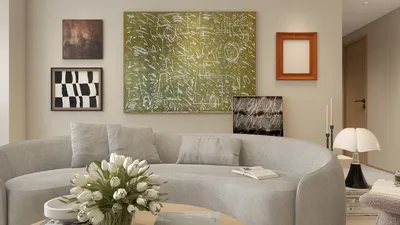


Utilizing color on vertical surfaces does more than just beautify; it significantly influences our perception of space, light, and the emotional ambiance of a room. When selecting curtain colors, I consider the entire envelope—this includes the orientation, the type of glazing, existing materials, and the daily habits of the occupants. My goal is to manage luminance contrast effectively, enhance daily rituals, and maintain a visually calm space.
Understanding color psychology is beneficial for guiding choices. Research highlighted by Verywell Mind indicates that blues and greens typically evoke feelings of calmness and restoration, whereas warm tones such as soft terracotta and muted yellows create a welcoming and energizing atmosphere. In versatile living spaces, I prefer muted, mid-value colors that prevent overstimulation or fatigue during prolonged use. From a health standpoint, WELL v2 research underscores the importance of glare control and balanced daylight for overall comfort; the choice of curtain color and fabric weight plays a pivotal role in achieving this equilibrium. For professional insights on environmental quality benchmarks, WELL Certified provides extensive guidelines on light, comfort, and material selections.
Living rooms also serve as social environments. Steelcase's research into work-lounge dynamics reveals that visual comfort and sound management greatly affect interaction quality; I apply this concept to residential settings as well. Curtains can help mitigate sound reverberation—particularly when using heavier fabrics—and create a seamless transition between brightly lit windows and darker walls. When evaluated against the IES recommendations for luminance ratios, the use of mid-tone curtains promotes a relaxed viewing experience across the entire space.
Color Selection Based on Orientation and Natural Light
South-facing areas tend to be warm and bright; using neutral-cool curtains (like fog gray, pale sage, or dusty blue) helps keep the environment fresh without adding excessive heat. In contrast, north-facing rooms are generally softer and cooler; incorporating warm undertones (such as greige with beige, light caramel, or muted ochre) balances the cooler daylight. East-facing spaces welcome the morning sun beautifully; soft pastel shades (like blush beige or light honey) work effectively in these settings. For west-facing rooms that receive late-day light, I recommend gentle cool colors (like stone gray or seafoam) along with textured weaves that diffuse light pleasantly.
If your room layout is changing—perhaps you're adjusting seating arrangements, designing a new TV wall, or creating a reading nook—consider experimenting with color using a room layout tool to see how different curtain shades can alter the perception of depth and focus points: utilizing a room design visualization tool like Homestyler can be especially helpful.
The Best Neutral Colors: Timeless and Versatile
Neutrals are my go-to choice for layered designs. A soft white beam complements warmer walls (such as cream or almond) without creating a stark contrast. Greige pairs well with various wood finishes, effectively linking cool gray flooring with warm walnut details. Taupe lends an air of sophistication and earthy stability, making it perfect for modern classic settings. Charcoal can offer elegance in tall rooms, grounding high ceilings; however, it must be balanced with wall and rug hues to maintain a light feel.
Soft Color Options That Foster Relaxation
Desaturated shades of blue, sage green, and mushroom beige promote a sense of calm without appearing flat. Blue signifies tranquility, best kept in the gray-blue spectrum to avoid any associations with childish or nautical themes. Sage green harmonizes beautifully with natural fibers (such as linen and cotton) and clay decorative elements, making it particularly effective in the presence of indoor plants that enhance biophilic design. Mushroom beige, with its gray-brown tone, blends well with various furnishings and helps mask minor dust better than stark white.
Warm and Inviting Color Palettes
Softened muted terracotta, wheat, and warm sand shades enhance approachability. The terracotta tone should be toned down—imagining a sun-baked variant instead of a bright orange—to complement oak and brass finishes. Wheat offers a friendly vibe, pairing seamlessly with rattan, boucle, or textured upholstery. Warm sand introduces a modern interpretation of beige, keeping the light fresh while remaining inviting.
Implementing Statement Colors Without Overwhelm
Rich tones like deep teal, olive, and burgundy can create a captivating impact when used in moderation. These hues show best in spaces with ample daylight or high ceilings. To mitigate overwhelming effects, I balance them with lighter walls, reflective accents, and pale rugs to keep luminance levels even. Interlined curtains can help avoid color distortion when exposed to bright sunlight, and selecting matte hardware helps prevent competition with the decor.
Harmonizing Color with Material Texture and Weave
The type of fabric used dramatically affects color perception. Linen and cotton provide a subtle diffusion and a soothing matte finish that softens saturation. Velvets and chenille deepen colors but can also amplify mood, making them suitable for evening environments. Sheers allow light while maintaining visibility; for privacy needs, layering a neutral drape behind colored sheers works perfectly. In sun-drenched spaces, consider solution-dyed acrylics or mixtures that resist fading, while also selecting low-VOC finishes to align with comfort and material health goals set forth by WELL.
Understanding Light, Glare, and Color Temperature
Colors manifest through the interaction of luminance and correlated color temperature. Under warm artificial lighting (2700–3000K), cooler curtains might appear grayer, while warmer drapes may take on a yellow hue under cooler daylight (5000–6500K). To control glare, I avoid using striking white on extensive drape surfaces in sunlit areas; off-whites can diminish glare and reduce eye strain. If watching television during daylight hours, it’s wise to assess curtain colors against screen reflections—mid-tone, matte fabrics tend to minimize distractions.
Utilizing Patterns and Two-Tone Techniques
Subtle patterns, such as pinstripes, herringbone, or small-scale geometrics, introduce depth without cluttering the visual space. Two-tone designs—featuring a neutral base with colored edge bands—frame windows and connect visually with accent pillows. Vertical patterns can uplift lower ceilings, while horizontal banding can create the illusion of wider windows. Ensuring a gentle contrast in patterns is essential for maintaining visual comfort.
Coordinating with Walls, Floors, and Furnishings
I sync curtain undertones with the predominant surfaces in the room. For cool gray floors, leaning towards greige or cool taupe is ideal; with warm oak, consider finishes like wheat, sand, or sage. Leather sofas pair wonderfully with mushroom or olive curtains; meanwhile, fabric couches in light neutrals benefit from slightly darker drapes for definition. The choice of metallic finishes also plays a crucial role—brushed brass complements warm hues like terracotta, black hardware enhances charcoal and deep teal, while nickel harmonizes well with sage and fog gray.
Contrasting Small and Large Spaces
In smaller living areas, light mid-tone colors help maintain an open feel and mitigate harsh glare from pure whites. Installing floor-to-ceiling drapes in the same color as the wall can visually elongate the space. In contrast, larger areas benefit from slightly darker curtain colors that anchor the décor, ensuring the surroundings do not appear washed out. Opt for wider stack-backs so curtains do not obstruct any daylight when drawn back.
Practical Approaches to Color Maintenance
When selecting curtain colors, prioritize those that can withstand daily life: mid-tone neutrals can hide dust effectively, while darker shades tend to show lint easily. For sun-facing windows, opt for fade-resistant fabrics and removable liners. If you have pets, it's best to avoid high-contrast dark curtains during shedding periods; colors like mushroom, taupe, or sage are more forgiving in these circumstances.
Quick Color Pairings I Recommend
- For warm white walls and oak flooring: choose curtains in wheat or sand, complemented with a matte brass rod.
- If the walls are cool gray with black accents: opt for cool greige or fog gray curtains, accented with a black rod.
- With an earthy palette (including terracotta and clay décor): opt for sage or mushroom curtains, paired with bronze hardware.
- For a minimalist black-and-white look: soft charcoal curtains with textured weaves work best, using nickel rods.
Testing Designs Before Finalizing
I create mock-ups of curtain colors, stack-back widths, and banding in a layout simulation tool while considering wall and rug colors to evaluate balance and glare. If you are adjusting your seating arrangement or integrating built-ins, utilizing an interior layout planner like Homestyler can significantly aid in refining sightlines and light transitions.
Common Questions
Greige in a mid-value is the most versatile; it blends warm and cool color schemes while promoting visual comfort throughout varying day and night lighting conditions.
Bright white can elevate perceived glare in sunny locations. Off-white or warm sand shades reduce reflections while maintaining brightness in the area.
Utilizing shades like cool taupe, fog gray, or muted blue can help keep the overall color scheme cohesive. Incorporating textured weaves prevents the palette from becoming flat.
Greige with warm undertones, muted ochre, wheat, or light caramel effectively offsets cool daylight without creating an orange tone.
Absolutely, though it’s advised to limit saturation and choose mid-to-deep values with matte textures. They should ideally accompany lighter walls and ample daylight to avoid feeling visually heavy.
Linen and cotton in medium weights provide soft diffusion and accurate color; velvets enrich deeper shades perfect for evening environments.
Stick to mid-tone, matte curtains; refrain from using bright white or glossy materials near screens to lessen distracting reflections.
Select solution-dyed fibers and consider interlining. If feasible, rotate curtain panels seasonally to balance out exposure over time.
While matching colors can elongate spaces, a slightly darker or lighter tone adds definition, keeping the overall design vibrant.
Not if the pattern remains subtle and low-contrast. Small-scale textures add depth and are generally easier to coordinate than bold designs.
Brass and bronze amplify the warmth of colors like terracotta and wheat, while nickel and black are better suited for cooler shades like sage and fog gray.
Full-height draping creates an elongating effect and showcases colors elegantly. Ensure stack-backs allow for full glazing access so chosen colors do not block natural light when open.
Homestyler is your go-to online home design platform! With an easy-to-use design tool, stunning 3D renderings, a wealth of inspiring design projects, and helpful DIY video tutorials, you can effortlessly create and visualize your dream spaces—perfect for both novices and seasoned designers alike!
Design Now for FREE
































