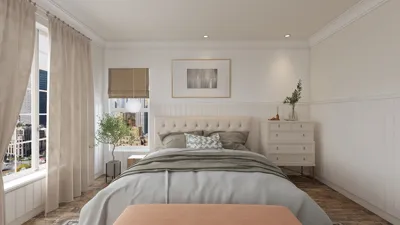


In my experience, there was a time I painted an entire studio mustard based on a client's suggestion, believing it would enhance the appearance of their plants. While the plants indeed looked vibrant, the emotional reaction from the client was unexpected. This taught me the importance of creating mockups for bold design decisions beforehand. Small spaces can drive significant creative inspiration, and I will guide you on how to apply color intentionally to avoid a chaotic look. My process often begins with a visual mockup, allowing everyone to visualize the concept before we dive into painting.
1. Embrace a monochromatic scheme with varying shades
I prefer sticking to a single color family—imagine slate blues or warm greys—using three to four different tones across walls, trim, and fabrics. This approach promotes cohesiveness and makes a small space seem curated rather than confined. However, to prevent a flat appearance, I introduce metallic accents, natural wood elements, or textured fabrics to elevate the design, often with the assistance of tools like Homestyler for visualization.
save pin
2. Implement an accent wall to create a focal point
A single bold wall can serve as a strong anchor for a room, allowing experimentation without the need for extensive commitment. I've successfully utilized a deep forest green behind beds and sofas for a dramatic impact that enriches the appearance of art and lamps. Remember to account for natural light, as dark accents can make poorly lit spaces feel even smaller.
save pin
3. Explore a two-tone split for an instant perception of height
By painting the lower third of the walls a darker, durable tone and the upper sections lighter, you can create an illusion of higher ceilings while discreetly hiding scuffs from furniture. For intricate layouts, I like to utilize a digital layout preview, such as Homestyler, to ensure the split lines and furniture placements are perfectly aligned. Just remember, precision is crucial—using tape accurately or hiring a professional painter can help avoid uneven lines.
save pin
4. Define open spaces with color zoning for enhanced functionality
In lofts or studios, I like to apply different yet harmonious colors to separate kitchen, dining, and living areas visually. This technique is particularly advantageous in rentals that require character without the presence of physical walls. The key challenge is selecting palettes that transition seamlessly; I often choose undertone families to maintain a sense of continuity across spaces.
save pin
5. Utilize painted ceilings or trims as a powerful design element
Employing a soft hue on the ceiling (beyond just white) can either cozy up a space or give it a lift depending on the chosen shade, while colored trims help to accentuate millwork. Before finalizing my decision, I conduct a quick study of light and colors since lighting can dramatically affect how colors appear. What may shine during the day could feel dim at night.
save pin
FAQ
Q1: How do I select colors that complement each other? I typically start with a favorite color and find two additional supporting shades: one lighter and one for accents. It’s crucial to test large swatches on the walls as light significantly alters perception—allowing samples to sit for a few days is ideal.
Q2: Can dark colors negatively impact small rooms? Not necessarily—dark shades can lend a cozy, sophisticated feel, but it’s important to include contrast elements (like trim, lighting, or reflective surfaces) to avoid a boxed-in sensation.
Q3: Is it advisable to paint the trim the same color as the walls? Sometimes yes! Matching trims can provide a contemporary touch and create the illusion of higher ceilings. If definition is desired, opting for a slightly lighter or darker shade for the trim can be effective.
Q4: Which paint finish is ideal for living rooms and bedrooms? I usually suggest eggshell or satin finishes for these spaces due to their easy cleaning properties without being overly shiny. As noted in Sherwin-Williams' paint finish guide, eggshell and satin offer a good balance of durability and subtle sheen for most areas.
Q5: What is the best method for testing color at home? I recommend painting 2–3 large swatches on various walls and observing them throughout different times of the day to see how light affects them. Small paint chips can be misleading, as larger scales reveal undertones that smaller samples don’t show.
Q6: Is it permissible to mix cool and warm colors within an apartment? Absolutely! Just anchor your palette with neutral tones or a shared undertone. I often incorporate beige, gray, or soft white into each area to create a cohesive feeling throughout the spaces.
Q7: Will unconventional colors affect resale value negatively? Bold hues can be easily reversed, but if resale is a major concern, it's wise to keep permanent features neutral and use paint to add personal flair. Elements like accent walls or painted doors offer personality without incurring high costs to eventually change.
Q8: How much extra budget should I set aside for experimenting with color? For sampling and small-area tests, I advise allocating a few additional gallons of paint and good-quality tape. Professional color consultations or mockups will add to your costs but typically conserve funds by preventing the need for repainting. I usually counsel clients to reserve about 5–10% more for the color phase to mitigate any future regrets.
save pin
Homestyler is your go-to online home design platform, perfect for turning your ideas into reality! With its user-friendly design tool, stunning 3D renderings, inspiring design projects, and comprehensive video tutorials, you’ll find everything you need to create your dream space effortlessly.
立即免费设计
































