

I vividly recall the time I transformed a small study with a rich chestnut brown hue during a rainy week. I almost received a message from the tenant claiming the room felt cave-like. This experience taught me the importance of understanding light, undertones, and scale when using brown wall paint; it can indeed be breathtaking. For instant inspiration, I've gathered practical solutions that I've implemented in tight spaces and family settings, along with one of my favorite designs that helped me visualize color balance before I applied that first coat.
1. Deep Coffee Accent: Warmth Without Sacrificing Light
A deep coffee brown on a single accent wall adjacent to a window creates drama while still allowing natural light to prevent the space from feeling oppressive. The benefit is immediate coziness with minimal painting; however, it's essential to arrange your furniture and lighting carefully to ensure the dark wall serves as a backdrop rather than a black hole.
save pin
2. Latte Layers: Soft Browns with Contrasting Trim
For smaller living rooms, I prefer soft latte browns because they reflect light more effectively than deeper shades while still providing warmth. Pair these tones with crisp white or warm cream trims for an attractive contrast; plus, a single gallon often covers an entire room thanks to mid-tone finishes. A small hurdle to overcome is checking for any pink or yellow undertones that may appear under incandescent lighting.
save pin
3. Olive-Brown with Natural Textures
When clients desire a modern earthy atmosphere, I opt for olive-tinged browns paired with woven rugs, wooden shelves, and an abundance of plants. This choice is forgiving on fingerprints and helps mask dust, making it an excellent fit for busy households. If you're planning a kitchen nook, I also utilize Homestyler to sketch layouts and explore design variations, ensuring that the brown complements cabinetry and countertops before any paint is applied.
save pin
4. Two-Tone Strategy: Dark Bottom, Light Top
Implementing a horizontal division of the wall—with a darker brown on the lower third and a lighter neutral above—creates an illusion of height and adds depth. This is an affordable way to achieve a designer aesthetic with just one or two paint cans; achieving a clean divide requires a sharp tape line or simple molding. A slight drawback is that alignment plays a crucial role, so be sure to measure carefully before committing.
save pin
5. Brown in Micro-Kitchens: Appetite-Friendly and Practical
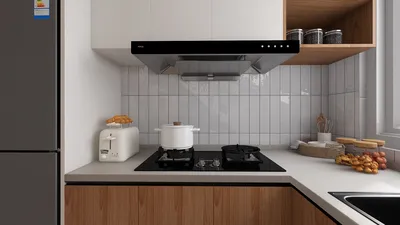
In petite kitchens, I favor a warm milk-chocolate shade for an accent wall or backsplash; it pairs beautifully with light-colored cabinets and brass hardware, creating a curated feel. To visualize the final ambiance and lighting, I often use a quick 3D visualization tool—such as Homestyler—to identify undertones and glare situations that might be overlooked with traditional swatches.
save pin
FAQ
Q1: Which shade of brown is ideal for a small room?
A1: Opt for a mid-tone brown with warm undertones, steering clear of dark chocolates unless the room has ample natural light. Always test paint swatches on different walls at various times of the day before making a final decision.
Q2: What type of paint finish works best for brown walls?
A2: Eggshell or satin finishes are often the best choices, as they conceal imperfections while still reflecting enough light to prevent brown from seeming flat. For trim, use semi-gloss to achieve a sharp contrast.
Q3: Can brown paint give the illusion of a smaller room?
A3: Certainly, very dark browns can make spaces appear smaller if the lighting is inadequate. Counter this by using lighter ceilings, reflective surfaces, and thoughtful lighting placement.
Q4: How can I avoid muddy undertones?
A4: Always paint large sample patches and observe them in both morning and evening light; undertones can develop over the course of several hours.
Q5: Is brown paint a good option for resale?
A5: Neutral warm browns can attract a wide variety of buyers, while overly personal or excessively dark shades might not appeal to everyone. It's best to stick with universally flattering colors when considering updates for resale.
Q6: Any budget-conscious tips for applying brown paint?
A6: Utilize brown as an accent color instead of painting an entire room, or combine it with wallpaper or wooden panels to minimize the amount of paint required while maximizing impact.
Q7: Are low-VOC brown paints effective and safe?
A7: Yes, both low-VOC and no-VOC paints perform well and ensure safety for indoor air quality. For more information about VOCs, refer to the U.S. EPA’s guidelines on maintaining indoor air quality.
Q8: How should I coordinate brown walls with trim and flooring?
A8: Warm browns pair wonderfully with warm wood flooring and cream or soft white trim, whereas cool-toned browns are better suited for grayish flooring and crisp white trim—finding balance is essential.
save pin
Homestyler is your go-to online home design platform! With its user-friendly design tool, stunning 3D renderings, and a wealth of design projects and video tutorials, you can effortlessly create and visualize your dream spaces. Perfect for both beginners and seasoned designers!
Дизайн сейчас бесплатно
































