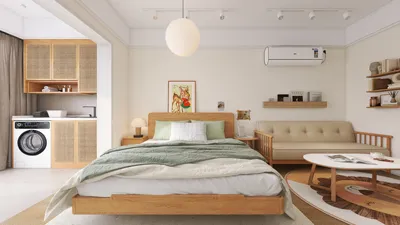


During my time as a designer, I encountered a homeowner who was adamant about using the darkest brown they had seen in a magazine for their small rowhouse. After applying the sample patch, I suggested they view it from across the street. We both chuckled when we realized it looked like a black box at dusk. This experience taught me how subtlety can elevate a design, demonstrating that a brown room case study can drastically alter perceptions.
1. Cozy walnut accent wall
Using a rich walnut hue on a single wall can effectively anchor a living room, providing depth without overwhelming the area. This color particularly complements natural fabrics and brass fixtures.
Benefits: It creates a visual focal point and conceals imperfections. Tip: Choosing the appropriate sheen is crucial—overly glossy finishes can make smaller spaces appear chaotic. Budget tip: Experiment with larger swatches at various times of the day before making a final decision.
save pin
2. Gentle taupe for an overall serene feel
When a client expressed the desire for tranquility, I suggested painting all the walls a warm taupe-brown. In cooler light, it appears almost gray, while it radiates warmth in the afternoon sun, making it exceptionally versatile.
Pros include seamless layering with fabrics; however, monotony can be an issue if texture is ignored—incorporating rugs or woven art can energize the space.
save pin
3. Contrasting trim and wall colors for added structure
By painting the trim a rich chocolate and using a lighter biscuit brown for the walls, small spaces gain structure without feeling harsh. This technique can create an illusion of height if the trim is slightly lighter than the ceiling.
It's a subtle yet effective transformation; I remember staging a studio that instantly felt more spacious. For layouts focused on kitchens, consider practical examples where brown cabinetry pairs with vibrant backsplashes to create inviting environments.
save pin
4. Rustic cottage aesthetic with layered textures
I love achieving a warm, inviting look by combining reclaimed wood finishes with matte brown paint. Brown harmonizes effortlessly with wood, adding warmth without any color clashes.
Be mindful of soot marks around cooking areas; opting for washable enamel is a handy tip. A minor challenge: distressed finishes may enhance character but can increase DIY labor.
save pin
5. Contemporary cocoa in a matte finish for minimalist designs
In minimalist interiors, a flat cocoa finish can evoke a modern and luxurious ambiance. After using it in a small apartment, I noticed how the matte finish absorbed light beautifully, making furniture colors stand out.
Though it’s low-reflective and forgiving, it might show smudges from fingerprints on frequently touched areas—consider using a semi-matte finish for doors. To visualize the effects in three dimensions, leveraging a Homestyler 3D design can be helpful.
save pin
FAQ
Q1: Is utilizing brown paint a suitable choice for compact homes?
Definitely—when the right undertones are selected and paired with lighter trims or reflective surfaces, brown can lend warmth to small spaces instead of making them feel cramped. I suggest trying out swatches on at least two walls for best results.
Q2: Which undertones in brown work best for north-facing rooms?
Rooms facing north benefit from warm undertones (subtle hints of red or yellow) to balance the cooler natural light. It’s wise to avoid chilly, grayish browns that might appear muddled.
Q3: Is it possible to mix brown with modern finishes?
Absolutely—brown complements black metal accents, matte ceramics, and sleek lighting, creating a contemporary vibe while still exuding warmth.
Q4: How can I prevent brown from giving a room an outdated feel?
Incorporate clean trims, modern furniture styles, and lighter textiles. A stylish pull or light fixture can quickly refresh classic brown tones.
Q5: Are there eco-friendly brown paint choices?
Yes, numerous paint brands provide low-VOC and eco-friendly formulations in brown shades. Be sure to look for certifications and specs, especially for bedrooms and spaces for children.
Q6: What is the typical cost of repainting a room in brown?
Prices differ by location and paint quality, but for a small room, expect to budget for primer, mid-tier paint, and labor, which is often modest compared to larger renovations.
Q7: Where can I find color guidance from paint brands?
Reputable manufacturers like Sherwin-Williams offer color guides and examples of light effects—explore their resources at https://www.sherwin-williams.com for technical insights and undertone specifics.
Q8: How long should I sample colors before making a decision?
I typically observe paint samples for 48 to 72 hours under various lighting conditions; often, I live with three taped-up swatches for a week before finalizing my choices, ensuring my confidence in the selections.
save pin
Homestyler is your go-to online home design platform! With its user-friendly design tool, stunning 3D renderings, and a wealth of DIY video tutorials, you can effortlessly create and visualize your dream space. Transform your home design journey with inspiration and creativity today!
立即免费设计
































