


When designing floor plans in Bloxburg, I apply the same principles as I do for real homes: first, identify the desired lifestyle, then map out movement patterns, define spatial relationships, and finally, add unique character. The most successful builds feel natural—guiding how one moves through spaces efficiently while ensuring visibility into what is important, allowing rooms to transition seamlessly. Achieving this clarity begins with budgeting space effectively and organizing your daily routines accordingly.
Establish a Precise Brief and Spatial Budget
Initiate your design by outlining the essential functions you require (such as bedrooms, a common area, workspace, and hobby spaces), then allocate space accordingly. Research from Steelcase has shown that inefficiently arranged environments can elevate cognitive load and diminish focus, highlighting the importance of effective zoning for an enhanced daily living experience. Furthermore, the WELL v2 standard emphasizes the importance of visual connections and movement, suggesting that you should craft sightlines and logical pathways between the kitchen, dining, and living areas to minimize unnecessary travel.
For further insights on spatial comfort and user performance, refer to the WELL Building Standard and findings from Steelcase. Both resources underline how design decisions directly impact measurable user outcomes: WELL v2 identifies factors like Light, Movement, and Mind that enhance user comfort, while Steelcase’s studies link spatial clarity with decreased distractions—concepts that can be effectively applied in gaming environments like Bloxburg.
Fundamental Layout: Flow, Pathways, and Zones
I tend to start with a primary axis that connects the entry point, living space, and outdoor areas. Ensure secondary paths are concise and avoid creating dead-end corridors. For smaller structures, a 60/40 ratio of social to private spaces is a good guideline; as properties increase in size, aim for a more balanced 50/50 distribution to maintain a feeling of intimacy. If you’re exploring layout options, consider using a room configuration tool to visualize circulation and furniture arrangements before making final decisions: room layout tool.
Illuminate and Prioritize Views
Natural light greatly influences how quality is perceived. The Illuminating Engineering Society (IES) recommends an even distribution of lighting while mitigating glare; achieve this by keeping workspaces near windows and situating reflective surfaces in a way that doesn’t create harsh highlights in seating areas. In living areas, prioritize large openings and align significant views—like the fireplace, media wall, or garden—with the primary axis. In bedrooms, utilize low lighting and warmer color temperatures to foster rest, whereas kitchens benefit from cooler white lights for enhanced visibility during tasks.
Understanding Color Psychology
Color plays a critical role in setting the pace and mood of a space. Soft neutral tones can expand the feel of smaller areas, while warm accents create a sense of grounding in social hubs; cooler shades promote calmness in bedrooms and study areas. Insights from Verywell Mind indicate that blue and green hues are connected with tranquility and concentration, while vibrant reds and oranges can invigorate activity. I typically combine calming base colors with a single bold accent for each zone to prevent visual fatigue.
Creating a Social Center: Kitchen–Dining–Living
Design the home around a versatile and shared central hub. Position the kitchen so that the chef can maintain sightlines to the entry and living room; ideally, dining should be within three or four steps of the kitchen island. In Bloxburg, this often translates to an L-shaped kitchen featuring an island, with a dining bench along the short side, and living seating arranged to face either an accent wall or an outdoor view. Ensure walking paths around furniture are clear, ideally maintaining 900–1000 mm widths, to avoid collisions during peak traffic times.
Bedrooms Organized for Privacy
Arrange bedrooms in a quieter wing of the house, ensuring the primary suite is distanced from the social hub, ideally separated by a bathroom or closet. Secondary bedrooms can share a short hallway; avoid positioning beds directly across from doors to lessen visual noise and create a calming focal area. Layer lighting effectively—incorporating ambient ceiling lights, bedside lamps, and options for softer lighting in the evenings.
Dedicated Work and Hobby Spaces
Even in-game dwellings can benefit from compact work nooks. Steelcase’s research indicates that clearly defined work zones improve concentration, so position desks within sightlines that limit interruptions. Hobby areas for activities like music, crafting, or fitness should be situated near natural light; ensure adequate storage is discreetly placed behind doors or panels to maintain a tidy main living area.
Prioritizing Acoustic Comfort and Material Selection
While hard surfaces offer a sleek appearance, they can also amplify sound. Incorporate rugs, upholstered seating, bookshelves, and dividers to absorb noise within living spaces. In bedrooms, soft window treatments and upholstered headboards serve to soften echoes. Think about the rhythm of materials: blend matte and glossy finishes, soft and firm textures to keep rooms visually balanced and prevent them from becoming echoey.
Circulation, Stairs, and Vertical Design Logic
For multi-story buildings, position the staircase to seamlessly connect the central social area with the private wing, avoiding division of the living room. Landings should lead to hallways that distribute bedrooms effectively; steer clear of long, narrow corridors; instead, consider slightly widening them and incorporating a console or art piece to introduce rhythm and break the monotony.
Creating Outdoor Connections and Micro-Terraces
Small decks or patios can significantly enhance the perception of space. Ensure exterior doors align with the main living axis to allow for increased natural light within. Place outdoor cooking areas in close proximity to kitchens, and include compact seating arrangements to facilitate outdoor gatherings.
Implementing Layered Lighting: Ambient, Task, and Accent
Adopt the principles laid out by IES standards: ensure ambient lighting is uniformly distributed, create concentrated lighting areas for work surfaces, and utilize accent lighting to emphasize textures or artworks. In lounge areas, warm white lighting enhances comfort, while balanced neutral whites in kitchens and study spaces optimize clarity. Control glare by angling light fixtures away from reflective surfaces and screens.
Effective Storage Solutions and Maintaining Visual Cleanliness
Adequate storage contributes to a calm ambiance in any layout. Integrate shallow storage near entry points for bags and shoes, install tall closets in bedrooms, and embed concealed cabinetry in living areas. Open shelving can look appealing when curated carefully but should be combined with closed storage to minimize visual clutter.
Crafting Focal Points and Visual Composition
Every key area should feature a distinct focal point, such as a media wall, fireplace, piece of artwork, or a window framing an outdoor view. Arrange seating to facilitate conversation and maintain sightlines towards the focal point. Use symmetry in more formal settings and gentle asymmetry in casual areas to ensure a dynamic layout.
Emerging Design Trends for 2024–2025
I’m noticing a rise in layered neutrals complemented by a singular saturated color accent, integrated workspace nooks, and biophilic elements like linen, rattan, and pale wood tones. Smart, low-glare lighting options, compact wellness areas, and versatile dining configurations that can transition to gaming or work setups all seamlessly integrate into Bloxburg designs without appearing forced.
Initial Layout Templates for Inspiration
• Compact 1-Story: Includes an entry, an open living-kitchen space, a corner dining option, followed by a short hall to two bedrooms and a shared bath; a micro-terrace off the living area creates additional interest.
• Family 2-Story: Features a central living hub, an L-shaped kitchen with an island at the rear, with dining positioned near garden doors; the upstairs comprises four bedrooms, with the primary suite shielded by a closet and bathroom.
• Modern Split-Level: Consists of mid-level living, with half a flight leading to bedrooms and the other half descending to a hobby den and utility room; the stairs are ideally placed to align with all zones near the entryway.
My Recommended Building Process
1) Define the key zones and their respective ratios. 2) Draft circulation paths with a primary axis. 3) Position major furniture pieces first to establish flow. 4) Incorporate light and color to create mood and clarity. 5) Refine storage solutions and acoustic elements. 6) Use an interior layout planner to test different configurations before finalizing details: interior layout planner.
Frequently Asked Questions
Enhance open sightlines, maintain minimal doorways in core areas, choose light wall colors, and opt for low-profile furniture. Consider placing mirrors opposite windows and creating an impression of extended living space with a deck.
Allocate approximately 60% of your design to social areas (living room, kitchen, dining) and 40% to private spaces (bedrooms, baths). This distribution ensures the house maintains vibrancy while still providing restful retreats.
Utilize ambient lighting for a general glow, task lights for work areas, and accent lighting for showcasing textures. Favor warm white lights in lounging spaces and neutral tones in kitchens and studies, adhering to IES recommendations for balanced illumination and glare reduction.
The staircase should be situated near the main hub, ensuring it doesn’t divide the living room. It's best to place landings close to hallways that effectively distribute access to bedrooms while minimizing long corridors.
Cool shades such as soft blues and greens encourage calm and focus, as indicated by studies on color psychology; these should be paired with warm bedside lighting and minimal clutter for optimal results.
Incorporate soft textures with rugs, upholstered seating, curtains, and bookshelves. Break up extensive flat surfaces and apply soft materials to help absorb sound effectively.
Visualize circulation and furniture arrangements using a layout simulation tool for quick comparison of various setups: layout simulation tool.
Position the sink, stove, and refrigerator in a compact work triangle. Dining areas should remain close to the island, with clear pathways of 900–1000 mm to facilitate movement.
Employ symmetry for focal walls and major furniture pieces, then introduce asymmetry through art, greenery, and lighting to create a sense of liveliness instead of rigidity.
Combine closed cabinets for larger items with curated open shelving options. Include storage at entrances, closets in bedrooms, and hidden media storage in living areas to reduce visual clutter.
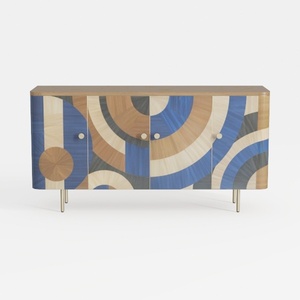
Art Deco Geometric Pattern Solid Wood Sideboard with Metal Legs 3D Model
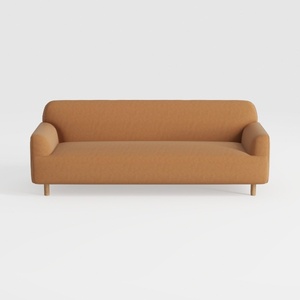
Minimalist Fabric Wooden Legs Sofa 3D Model
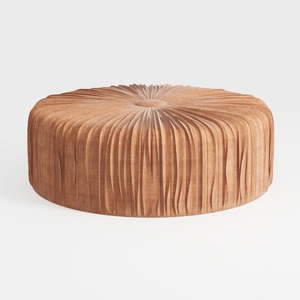
Minimalist Round Tufted Fabric Ottoman 3D Model
Discover the joys of home design with Homestyler! This user-friendly platform offers an intuitive online design tool, stunning 3D renderings, and a wealth of inspiring design projects and video tutorials. Whether you’re a beginner or a seasoned DIYer, Homestyler brings your creative vision to life effortlessly!
Progetta ora GRATIS
































