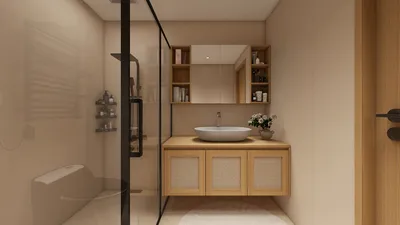


With over ten years of experience in planning and transforming banquet halls, I’ve found that the spaces that excel are those that strike a harmonious balance between visual impact and functional design. Halls inspired by the Mosaic Sandoz style utilize intricate patterns, layered lighting, and versatile staging options. However, the true enchantment lies in how attendees move through, perceive, and enjoy their surroundings during events.
Two key metrics inform my early planning decisions. Firstly, speech clarity: the International WELL Building Institute (WELL v2) suggests ideal background noise levels in assembly areas should remain around NC 30-35 to enable clear communication, while reverb duration should ideally be between 0.8 and 1.2 seconds, depending on event specifics (source: WELL v2). Secondly, guest comfort is crucial: research by Gensler indicates that spaces allowing for choice and control lead to enhanced satisfaction and performance—these are methods that can be directly applied to events, where flexible seating arrangements and pathways enhance guest engagement (source: Gensler Research Institute).
Establish the Spatial Intent
Before selecting materials, it’s essential to determine the types of events you plan to host: elegant gala dinners, corporate conferences, informal receptions, or cultural celebrations—all of these require varying proportions of staging, dining, aisles, and seating areas. I generally begin with a 60/40 distribution: allocating 60% to seating and 40% to circulation, service areas, and staging for plated dinners. For cocktail events, I reverse this ratio. To quickly evaluate different seating configurations, employing a room layout tool like Homestyler can help visualize guest flow, safety exits, and sightlines effectively.
Optimize Sightlines and Stage Configuration
To ensure keynote visibility, position the most distant seating within six times the stage height (1:6 principle). Avoid placing columns within a 30-degree cone from the center of the stage whenever possible. When columns are unavoidable, enhance them with tall plants or vertical light fixtures to transform them into deliberate design features rather than visual hindrances. For events with multiple formats, consider adding an extra presentation wall to facilitate in-the-round seating or side runways for fashion shows or award ceremonies.
Lighting Layering: Creating Atmosphere with Ease
Effective banquet lighting should create a balance between vertical illumination for faces and controlled room ambiance. Adhere to IES guidelines for multifunctional areas: aim for 150-300 lux for dining spaces and 300-500 lux for facial illumination, using warm white lights around 2700-3000K for dinner settings, then shifting to 3000-3500K for corporate presentations. It’s vital to minimize glare through indirect lighting and baffles. My preferred setup includes four layers: architectural coves for ambient light, narrow-beam accent lights for tables and décor, adjustable track or motorized lights on stage, and eye-catching elements (such as pixel tape and gobos over mosaic walls) to add brandable details.
Acoustic Clarity in Banquet Spaces
Banquet venues are often susceptible to echo. To counter this, mix absorbent wall panels at ear level (using fabric-wrapped mineral fiber behind decorative slats) with diffusive elements in upper zones, like coffered ceilings or mosaic panels. Target an average reverb time (RT60) of about 1.0 seconds for events focused on speech. Consider adding retractable drapes behind the stage to enhance acoustics for speeches. For musical performances, place subwoofers in corner locations to prevent excessive bass buildup, and angle side walls subtly to disrupt standing waves.
Mosaic as a Distinctive Design Element
Mosaic Sandoz design thrives on rhythmic patterns. I prefer a muted base palette—like stone or terrazzo-look porcelain in neutral shades—contrasted with high-gloss mosaic strips at entry points, back-bar areas, and the stage proscenium. Ensure the scale of patterns is visible from a distance of 10-20 meters; smaller mosaics work well at bars and restrooms, while medium-sized pieces anchor the main hall. Rounded corners on mosaic edges help reduce chipping from banquet cart movement.
Understanding Color Psychology and Emotional Mapping
Color is one of the fastest ways to influence ambiance. Warm reds and ambers can boost sociability, while cool blues can create a calming effect and encourage longer guest stays. Use vibrant colors in accent washes rather than full wall paint to maintain flexibility. Guests often perceive warmer hues as more welcoming; studies on color psychology indicate that warmer tones can stimulate appetite and encourage conversation (refer to Verywell Mind’s exploration of color psychology). Maintain a neutral architectural backdrop and utilize lighting gels and digital displays for impactful visuals.
Furniture Selection and User Comfort
Banquet chairs should ideally be 17-18 inches in height, with 2-3 inches of high-resilience foam for comfort. Wider chairs, around 19-20 inches, can significantly improve comfort during long dinners. A standard 60-inch round table seats eight comfortably; a 72-inch round can accommodate 10-12 guests, but may hinder speech understanding across the table. For family-style dining, consider rectangular tables measuring 96x40 inches to facilitate shared passing of dishes while ensuring clear sightlines to the stage. Always maintain at least 60 inches between tables for service access and compliance with ADA requirements.
Bar, Buffet, and Service Flow Management
Bars serve as social focal points. Position the main bar opposite the stage to encourage even distribution of guests. Follow a 1:75-100 ratio of linear bar space to guests to minimize wait times during busy periods; additional satellite bars can further reduce queue lengths. Buffets should provide at least 6 feet of space for smooth guest flow; using mirrored, two-sided lines with duplicate menus can effectively cut wait in half. Behind the scenes, create a 5–6 foot service corridor along the perimeter for discreet plate clearing and rapid replenishment without obstructing guests' views.
Technology, Power, and Event Control
To ensure future readiness, install floor boxes every 20-25 feet in a grid layout, along with 208V outlets near the stage for lighting needs. Implement a dedicated AV rack room with proper cooling and sound insulation. LED screens should feature black, non-reflective surfaces to maintain visual contrast. Establish DMX and network redundancies, while developing preset lighting setups for dining, presentations, dancing, and room transitions. Program these shifts so the venue can smoothly change settings within 90 seconds.
Guest Navigation, Entrances, and Backstage Logic
Attendees form their impressions of the event even before entering the main space. Create an engaging arrival experience—beginning with a marquee exposure, followed by an acoustic buffer in the vestibule, leading to the ultimate reveal. Use mosaic patterns as guiding markers on floors and archways. Back-of-house operations should avoid visible entryways; provide staff with separate access routes and dish drop points near the kitchen to minimize disruption within the main area. Ensure exit doors are accessible yet seamlessly integrated with the overall design through millwork or drapery.
Material Choices for Longevity and Resilience
Banquet spaces endure heavy traffic, spills, and frequent reset activities. Opt for porcelain over natural stone in areas prone to staining, and specify epoxy grout for mosaic designs. Select fabrics that can be bleached clean and that can endure 100,000+ double rubs for durability. For sustainability and improved indoor air quality, aim for low-VOC finishes and GREENGUARD-certified materials when possible, and prioritize LED lighting fixtures with replaceable drivers to extend their lifespan.
Lighting Control and Attendee Comfort
The nuances in dimming can significantly affect an event's atmosphere. Utilize a 0.1% dim-to-warm feature for dinner settings, while keeping static white lights for presentations. Ensure emergency lighting is correctly integrated and meets code requirements without compromising the mood. Offer tunable white presets ranging from 2700K to 3500K to match the event's segments and photography requirements. Proper glare control at podiums is essential to prevent discomfort, enhancing the quality of recorded content.
Adaptable Partitions and Room Configurations
Operable partitions should meet or exceed STC 50 ratings to accommodate simultaneous events. Integrate uplights and vertical mosaic accents along partition pockets to avoid bland wall appearances when spaces are divided. Ensure ceiling tracks align with sprinkler and HVAC systems while adhering to code compliance and guest comfort standards.
Evaluate Layouts Before Finalizing
I seldom finalize a layout without testing guest arrivals, seating arrangements, and service pathways. Develop A/B options—banquet rounds versus rectangles, central stage versus end stage—and model them in a virtual environment. A partnered interior layout planner can swiftly identify bottlenecks, capacity limits, and ensure ADA compliance: consider using tools like Homestyler for enhanced visualization.
Emerging Trends for 2024-2025
- The rise of digital backdrops in place of traditional heavy stage sets, utilizing LED mesh curtains and projection mapping.
- Enhanced lounge areas featuring residential-style textures at edges, encouraging guests to linger during downtimes in the program.
- Hybrid-ready AV setups with advanced broadcast lighting and strategically placed camera positions.
- The incorporation of biophilic design elements like preserved moss mosaics and warm woods to foster relaxation and create beautiful photo opportunities.
- Slim-profile linear fixtures and micro-spot setups that deliver high vertical illumination without adding visual clutter to the space.
- For dining: allocate 60% for seating, 25% for circulation, 10% for stage setups, and 5% for bar areas.
- For cocktail settings: consider a distribution of 40% for high-tops and lounge areas, 40% for circulation, 10% for stage presence, and 10% for bars.
- For lighting: aim for 150-300 lux for dining, 300-500 lux for face illumination; utilize tunable white lights set between 2700-3500K.
- Acoustic considerations: target an RT60 of around 1.0 seconds; use curtains and diffusers as necessary.
- Seating options: select 60-inch rounds for eight guests; 72-inch rounds for ten to twelve; and 96x40-inch rectangles for family-style service.
Common Questions
Q1. What is the ideal ceiling height for a banquet hall that features a prominent stage?
A1. Aiming for a height of 16-24 feet to the lowest point is advisable if you plan to incorporate lighting rigs, LED screens, or scenic frameworks. For heights below 14 feet, depend on integrated wall lighting, tight-beam accents, and low-profile decor to prevent overcrowding visually.
Q2. What strategies can I employ to ensure speeches are understood during dinner?
A2. Achieve a balance of absorption and diffusion, target an RT60 of about 1.0 seconds, and maintain background noise at NC 30-35. Utilize cardioid microphones, position speakers closer to guests to minimize gain, and incorporate soft finishes at ear level to mitigate sound reflection.
Q3. Which table shape is best for combining keynotes and dinner?
A3. 60-inch rounds comfortably seat eight guests while providing good conversational space and clear sightlines; 96x40-inch rectangles work well for shared platters and maintain visibility to the stage when arranged in rows. Test both layouts with a room design visualization tool like Homestyler to confirm effective circulation.
Q4. What color temperatures should be specified for various segments?
A4. Use 2700-3000K for dining and social interactions, and 3000-3500K for presentations. Ensure a Color Rendering Index (CRI) of 90 or above for food and skin tones, and maintain smooth dimming capabilities down to 0.1% for seamless transitions.
Q5. How many bars are necessary for a gathering of 300 guests?
A5. Plan for approximately 3-4 linear feet of active bar space per 75-100 guests. For 300 attendees, two 12-15 foot bars or one main bar alongside a satellite option generally suffice to minimize long wait times.
Q6. What is the best approach to manage columns within the hall?
A6. Align pathways to maintain clear sightlines away from columns, wrap them in vertical lighting or mosaic accents to enhance their presence, and use them to define lounge areas. Avoid situating columns within the 30-degree visual field from the stage center.
Q7. How can I maintain flexibility for diverse event types?
A7. Design a fundamental framework: floor boxes spaced at 20-25 feet, operable partitions rated STC 50+, tunable lighting, and versatile furnishings. Pre-program lighting settings and ensure scenic elements are adaptable or projection-based.
Q8. What materials are best suited to withstand heavy usage in banquet areas?
A8. Opt for porcelain tiles with epoxy grout for floors and mosaic accents, fabrics that can withstand bleach cleaning and abrasion ratings of 100,000+ double rubs, and layered wall systems featuring replaceable fabric finishes. Choose LED fixtures that have replaceable drivers for ease of maintenance.
Q9. How much space should be allocated for aisles between tables?
A9. Ensure a minimum width of 60 inches between tables for service and ADA compliance. Increase this to 72 inches in main aisles that feed into stages or bar areas.
Q10. What recommendations can enhance photo and video quality?
A10. Ensure 300-500 lux vertical lighting for faces, avoid mixing color temperatures, use black finishes behind LED screens to minimize flare, and control background light to enhance content contrast.
Q11. Is it possible to split the room without it appearing disjointed?
A11. Absolutely—incorporate uplights and mosaic accents within partition pockets, align ceiling features across both sections, and ensure AV systems are mirrored so that each divided space feels complete.
Q12. What is a quick guideline for maintaining optimal viewing distances for the stage?
A12. Ensure that the furthest seat is within six times the height of the stage and that the first row is at least one stage height back, maintaining clear and comfortable viewing angles for all guests.
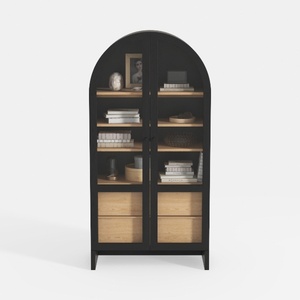
Wood Bookshelf with Adjustable Shelves, 72" Tall
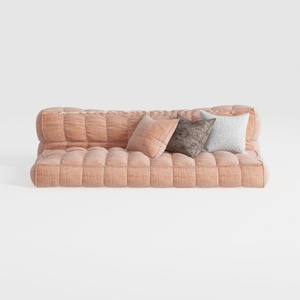

Minimalist Blush Fabric Tufted Contemporary Sofa 3D Model
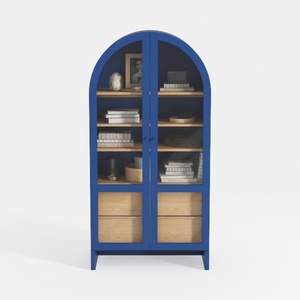
Arched Kitchen Pantry Cabinet with Glass Doors
Homestyler is your ideal companion for home design projects! With its user-friendly online design tool, stunning 3D renderings, and an extensive collection of DIY video tutorials, you’ll find endless inspiration and support to transform your space effortlessly. Dive in and start creating today!
立即免费设计
































