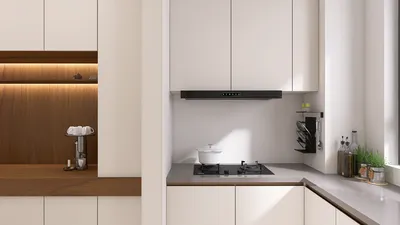


Aqua blue cabinetry can breathe life into a kitchen space while maintaining a sense of balance. The secret lies in properly adjusting the hue, illumination, and materials to ensure that the color appears fresh during the day and warm in the evening. In my recent renovations featuring aqua, we first enhanced task performance by optimizing lighting and workflow, before incorporating colors and textures. This approach aligns with research indicating that our environments influence our behaviors; for instance, the Steelcase wellbeing studies highlight a correlation between environmental quality and enhanced performance, while WELL v2 underscores the importance of layered lighting and glare management for task comfort.
Color plays a critical role in shaping perception and mood. Aqua, which is positioned between blue and green on the color wheel, often evokes feelings of freshness, cleanliness, and tranquility. Research in color psychology connects blue-green hues with enhanced focus and lower visual fatigue. From a practical perspective, visual comfort is paramount: according to the Illuminating Engineering Society, adequate task lighting in kitchen preparation areas should be maintained at recommended levels of approximately 300–500 lux for residential tasks. Incorporating these lighting standards when using aqua cabinetry ensures true color representation without losing vibrancy.
Beyond just visual appeal, the layout significantly impacts how the color is experienced daily. In compact galley kitchens or expansive L-shaped designs, I start by sketching out cabinet runs, island dimensions, and sightlines to determine how the aqua color appears from various viewpoints. Utilizing a room layout tool allows for simulation of light reflection, glare areas, and the natural light transitions on doors and drawers throughout the day.
Selecting the Perfect Aqua: Shade, Intensity, and Finish
It's important to note that not all aqua shades are identical; I always begin by considering the undertone and the orientation of natural light:
The finish is crucial. A satin finish can disguise fingerprints on frequently touched surfaces, while matte finishes can minimize reflections—ideal for larger island countertops. Semi-gloss can brighten dim spaces but requires proper surface preparation. For households with high activity levels, employing a catalyzed conversion varnish or 2K polyurethane topcoat offers durability against scratches and moisture, particularly in proximity to sinks and dishwashers.
Creating Vibrancy with Light Layers
To maintain the vibrancy of aqua, I implement lighting in three distinct layers:
To minimize glare, I opt for diffused lenses and indirect lighting cove designs. Installing dimming features near dining areas is beneficial, allowing the aqua cabinetry to evoke a lively atmosphere during breakfast and a softer ambiance by evening.
Harmonizing Bold Colors with Textures
Aqua is beautifully complemented by tactile and natural materials. I adhere to this palette philosophy:
Maintain a moderate visible grain if the aqua is bold; allowing one design element to shine. Establishing a hierarchy in texture reduces visual clutter and ensures a contemporary appearance, rather than a chaotic one.
Design Layout, Angles, and Dimensions
Aqua stands out most effectively on flat, continuous surfaces—think of a row of base cabinets or a tall pantry. Typically, I:
Before finalizing any decisions, I analyze traffic flows from entry points, dining areas, and living spaces with an interior layout designer to ensure that the color arrangement supports the movement rather than obstructs it. A swift examination using a layout simulation tool allows me to assess flow efficiency, landing spaces, and the positioning of the aqua color within the principal sightlines.
Ergonomics and Everyday Functionality
A beautiful color won't resolve poor workflow. I position dishware close to the dishwasher, heavy cookware near the range with a designated landing space, and recycling/trash bins conveniently along the prep route. The size of hardware is also vital: 5–7 inch pulls provide adequate leverage for integrated trash systems and wide drawers. Thoughtful internal organization—full-extension drawers and specialized spice pullouts—ensures a visually appealing calm amidst bold cabinetry choices.
Addressing Acoustics and Kitchen Noise
Open kitchens can often amplify sounds. Aqua cabinetry provides a head start by allowing for softer counter materials and textile accents without sacrificing character. Further enhancements could include felt-covered stools, soft-close mechanisms, and acoustic panels that are either stylishly incorporated or disguised as artwork. A mere increase of 10-15% in sound absorption through textiles can significantly lessen the perceived noise within a kitchen dominated by hard surfaces.
Long-lasting Color with Easy Maintenance
Aqua conceals smudges more effectively than deeper navy tones but not quite as well as mid-gray hues. I suggest utilizing a tough, low-VOC finish and protective edging on cabinet doors to deter chipping. For families, it’s ideal to choose satin finishes and avoid sharp corners on shaker designs. Maintaining a small repair kit from the finisher for frequently used zones (like trash pullouts or sink bases) is also prudent.
Two Trustworthy Aqua Recommendations
Pair mid-tone aqua with white quartz, brushed nickel accents, light rift oak features, a striped cotton runner, and woven pendant lights. Opt for white upper cabinets, incorporating ribbed glass on a couple of doors, and a matte ceramic backsplash.
Consider a deep aqua island, complemented by a perimeter of putty gray cabinets, black hardware, honed soapstone surfaces, and slender matte black pendants, topped off with a single brass tap for warmth.
Sustainable Choices
Opt for FSC-certified plywood cabinet boxes, waterborne lacquers with low VOCs, and comprehensive LED lighting. Durable finishes paired with timeless countertops prolong cabinetry lifespan, helping to minimize the most carbon-intensive factor—replacement. For repainting existing cabinets, verify the wood's integrity and hinge alignment before proceeding with spray finishing.
Testing Colors and Sampling
Always avoid selecting aqua solely based on a smartphone display. Paint three sample doors (or foam boards) in diverse finishes and evaluate them within the kitchen space over 48–72 hours. Observe them at different times of the day with varying lighting conditions, ensuring they sync harmoniously with your countertop and flooring samples. Aqua that appears ideal in cool morning light may appear overly minty under incandescent fixtures lacking a CRI rating of 90 or above.
Budgeting and Phased Implementation
When working within a tight budget, begin by painting the island aqua, then reassess. The subsequent phase can include lower cabinets, followed by a single tall pantry unit in the last phase. This staggered strategy allows for continued functionality during renovations while fine-tuning the exact saturation as materials arrive.
Frequent Mistakes to Steer Clear Of
Installation Considerations
Factory finishes ensure the most uniform aqua results. If applying paint on-site, ensure a sealed spraying area, maintain appropriate spray distances, and monitor wet mil thickness to achieve consistent sheen. Align door grain directions and inspect gaps under task lighting prior to final curing for optimal appearance.
Final Touches
Style the space with eucalyptus plants, matte white ceramics, and one striking black element to create contrast. Minimize countertop clutter, allowing the aqua to stand out. With the appropriate tone, lighting, and material contrasts, this color remains fresh for years, enhancing both culinary activities and gatherings.
Frequently Asked Questions
A mid-tone aqua with a gentle gray undertone in a satin finish helps control reflections while retaining vibrancy. Pair it with light countertops and neutral upper cabinets to avoid visual crowding.
For ambient warmth, consider using 2700–3000K lighting, and for clarity in task areas, 3500–4000K. Aim for a CRI rating of 90 or above across all fixtures to ensure accurate color representation, in line with common IES recommendations for residential usage.
In the majority of residences, I suggest placing aqua on lower cabinets or the island, while keeping upper cabinets neutral. This ensures a balance between color impact and openness.
Opt for white quartz with delicate veining, honed soapstone, or light terrazzo surfaces which can either brighten or ground the space while offsetting color saturation.
Satin brass offers warmth, brushed nickel creates a coastal vibe, and matte black introduces contemporary contrast. Maintain simple profiles, especially when working with bold cabinet colors.
Colors can be refreshing if balanced with timeless materials and localized areas. Changing out pendants or hardware later allows you to update the ambiance without repainting.
Test samples directly in your kitchen space and lean towards an aqua that is slightly muted (grayed). Manage glare with diffusing window treatments while opting for satin or matte finishes.
Certainly, provided the cabinets and doors are structurally sound. Use professional-grade prep, primer compatible with your chosen topcoat, and durable waterborne lacquer or 2K poly for longevity.
Visualize scenarios, whether it be an island-only layout, lowers-only setup, or a single tall wall scenario, using a room design visualization tool to compare sightlines, lighting, and overall massing prior to placing an order.
Neutral off-whites, warm grays, or soft stone hues. Textured tiles like zellige can add depth without competing with the aqua cabinetry.
Looking to transform your space? Homestyler is your go-to online home design platform! With its user-friendly design tool, stunning 3D renderings, diverse design projects, and helpful video tutorials, you can easily create and visualize your dream home—whether you're a novice or an expert.
Concevez maintenant gratuitement
































