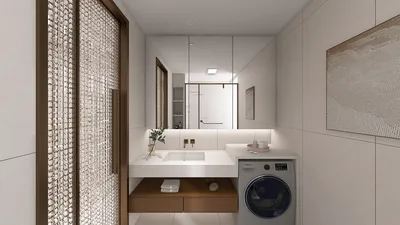


Almond tones have evolved into a sophisticated, contemporary neutral that infuses warmth into spaces without overwhelming them. I consider almond as the foundation— a soft beige accentuated by creamy undertones— complementing it with sharp whites, cool mineral grays, and sleek brushed metals. This combination works beautifully in bathrooms, as it minimizes visual distraction while enhancing the overall sense of cleanliness. An ideal almond color scheme thrives on well-measured lighting, ergonomic design, and robust materials that endure high humidity.
The right lighting and visual comfort create the desired atmosphere. According to the IES, 500–700 lux is recommended for mirror task lighting to ensure clear grooming tasks, while a layered lighting plan can help reduce glare and avoid shadows. WELL v2 also emphasizes visual comfort, highlighting the importance of glare control and accurate color rendering to portray skin tones authentically. I maintain mirror areas at a 90+ CRI using 3000–3500K LEDs to harmonize with almond shades, then reduce ambient lighting to 150–200 lux for relaxing baths, utilizing dimmable circuits. This equilibrium allows the bathroom to feel soft yet precise, embodying the strengths of almond tones.
The design should cater to human factors for an enriched user experience. Research from Steelcase indicates that supportive environments ease cognitive load, and bathrooms are equally significant. Features like clear pathways, consistent reach ranges, and logical fixture placement contribute to an effortless experience. I center the sink and mirror for symmetry, position towel bars at 48–52 inches for easy access, and ensure 30 inches of clearance in front of the vanity. When contemplating alternative layouts or sightlines before finalizing, using a layout simulation tool like Homestyler can aid in visualizing proportions and traffic flow.
Palette Strategy: Almond Without Beige Fatigue
Almond excels when approached as texture first and color second. To avoid monotony, I implement a 60/30/10 distribution: about 60% almond (for large areas such as walls or floor), 30% crisp white (on ceilings and sanitaryware), and 10% accents (like muted graphite, bronze, or eucalyptus). In smaller bathrooms, I favor glossy white fixtures paired with matte almond tiles to create an airy feel through contrasting sheens. For a modern touch, I introduce fine black lines—using slim mirror profiles or lightweight frames—to keep the overall look sharp rather than dull.
Tile, Stone, and Finishes
Choosing materials should prioritize texture and ease of maintenance. I combine large-format almond porcelain on the walls (24x48 tiles to minimize grout lines) with a micro-textured almond mosaic on the shower floor to provide slip resistance. If opting for natural stone, honed limestone or light travertine introduces warmth; careful sealing and selecting grout that closely matches the stone help to avoid visual clutter. Brushed nickel and soft brass work harmoniously with almond, whereas chrome may introduce a bluish tint that conflicts with warmth. It’s best to keep hardware designs minimal—thin spouts and sharp angles—to retain a contemporary silhouette.
Lighting Layers and Glare Control
To ensure even illumination, mirrors benefit from vertical sconces placed at face height (centered at 60–66 inches). I enhance this with a soft backlit mirror for diffuse lighting, maintaining a consistent color temperature across sources. For shower areas, a damp-rated recessed fixture with a wide beam spread helps eliminate harsh shadows. Additionally, a linear light under the vanity can provide night-time guidance, set to about 5–10% of output. The aim is to achieve balanced contrast: almond surfaces reflect warmth, white fixtures create pop, and properly positioned lights prevent any single beam from overwhelming the space.
Ergonomics and Spatial Ratios
Modern bathrooms benefit from straightforward proportions. It's essential to maintain 20–24 inches between a wall and the toilet centerline for comfort, and ensure a minimum of 36 inches between the vanity edge and any opposing obstruction for ease of movement. A clean, centered mirror positioned above a 24–36 inch single vanity evokes tranquility compared to oversized setups in tighter spaces. For compact alternatives, consider utilizing an interior layout planner like Homestyler to visualize reach ranges and clearances before finalizing your fixture order.
Color Psychology: Warm Neutral, Clear Mind
Warm neutrals such as almond create a serene backdrop, which Verywell Mind associates with comfort and stability, especially when accented by cooler tones. I capitalize on this principle by introducing a touch of cool contrast—such as brushed nickel or a softly hued bath rug—ensuring the space retains a balanced warmth. Incorporating elements of green through eucalyptus or sage artworks complements almond beautifully, softening hard edges without crowding the color palette.
Acoustic and Sensory Comfort
Bathrooms can often produce echoes due to hard surfaces, hence I soften the acoustic experience through fabric-lined vanity drawer inserts, soft-close toilet seats, and low-pile area rugs. Utilizing textured wall tiles helps disrupt sound reflections gently. For mechanical noise, I recommend specifying a low-sone exhaust fan and ensuring it’s isolated as much as possible from the ceiling structure. The sensory calm of the materials enhances visual tranquility, allowing for a more peaceful morning routine.
Joinery, Storage, and Rhythm
Storage should maintain clean lines to support the modern aesthetic. I aim for a rhythm of vertical and horizontal elements: full-height medicine cabinets, floating vanities with continuous pulls, and slim open shelves for towels. Keep open shelving within the 10% accent zone—dark woods like walnut or ash provide contrast. Floating vanities not only enhance the illusion of space but also simplify cleaning; it’s vital to align the mounting height with user ergonomics, typically 32–34 inches to the countertop.
Sustainability and Durability
Given moisture levels, using resilient materials is critical. Porcelain tiles and quartz countertops withstand humidity, daily wear, and cleaning agents. Opt for low-VOC paints, water-efficient faucets, and long-lasting LED lighting. When considering natural stone, always choose responsibly sourced options and maintain them with pH-balanced cleansers. Embracing sustainability is practical; selecting durable finishes helps keep your almond-themed bathroom timeless while minimizing replacement cycles.
Styling: Minimal, Not Bare
Styling should emphasize functionality. Maintain uncluttered surfaces by incorporating one sculptural vase, a delicate hand soap dispenser, and a neatly stacked pair of towels. Elements like mirror framing, the texture of bath mats, and a single piece of art convey character. The robust almond base carries the aesthetic, while styling merely reflects thoughtfulness and intention.
Small-space Almond Bathrooms
In smaller layouts, prioritize lightness: opt for large-format wall tiles, a floating vanity, backlit mirrors, and a solitary metallic accent. Using frameless glass extends sightlines and reduces visual obstruction. Bright white ceilings promote a sense of height, complemented by vertical tiling to enhance spatial dimensions.
Implementation Checklist
- Confirm light levels of 500–700 lux at mirrors and ambient lighting at 150–200 lux with dimmable options.
- Confirm a 60/30/10 color palette across surfaces for harmony.
- Select one almond tile, a single accent metal, and one countertop surface.
- Ensure clearances include 30 inches in front of the vanity and optimize reach ranges accordingly.
- Balance acoustics with appropriate textures and low-sone ventilation systems.
- Test layouts early using a simulation tool like Homestyler to ensure proper traffic flow before finalizing your design.
FAQ
A temperature range of 3000–3500K provides a warm-white light that preserves the softness of almond, while maintaining natural skin tones. Pair this with a CRI of 90+ near the mirror for accurate color perception.
Utilize sleek designs—thin-edged mirrors, floating vanities, and brushed nickel or soft brass fixtures. Combine almond tones with bright whites and a slender black line to achieve a modern contrast.
Brushed nickel offers a cooler accent, while soft brass brings warmth. It's best to avoid highly blue chrome finishes that may compete with the creamy undertones of almond tones.
Opt for micro-textured porcelain or honed stones with sufficient slip resistance for shower floors; glossy finishes on walls facilitate easy cleaning and enhance light reflection.
Aim for 500–700 lux at face level using vertical sconces or backlit mirrors, keeping glare low and color accuracy high.
Absolutely—large-format tiles reduce grout lines, floating vanities and frameless glass create a spacious appearance, and bright white ceilings amplify perceived height.
Combine a recessed medicine cabinet with a floating vanity and one open shelf to display select items. Keep hardware minimal and uniform across different pieces for consistency.
Select durable materials such as porcelain tiles, quartz countertops, LED lighting, and low-VOC paints. Low-maintenance finishes extend the design’s longevity.
Due to the hard surfaces, bathrooms can amplify sound. Incorporate textured tiles, low-pile rugs, soft-close features, and a quiet exhaust fan to minimize echoes and mechanical noise.
Yes, in moderation. Shades like graphite, eucalyptus green, or ash wood can offer tranquil contrast while maintaining a neutral palette's harmony.


Looking to transform your home effortlessly? Homestyler offers an intuitive online design tool that makes it easy to create stunning spaces. Dive into its extensive library of 3D renderings, explore inspiring design projects, and follow DIY video tutorials to elevate your interior design game!
Progetta ora GRATIS
































