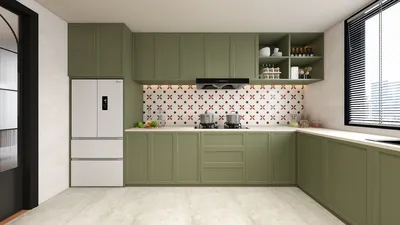


I once placed a tiny painting above a six-foot sofa, and a client humorously referred to it as a postcard masquerading as art — a valuable lesson learned. Nowadays, I prefer sketching, measuring, and even using digital mock-ups before any drilling takes place. For a swift visual, I like to consult a room layout case to understand scale within context, particularly when using tools like Homestyler.
1. The Sofa Rule: Aim for 2/3 Width
I always advise my clients that artwork positioned above a sofa should ideally be about two-thirds the width of the sofa itself. This proportion looks visually appealing, fills the visual space properly, and ensures that the frame doesn't appear lost or excessively dominant.
Benefit: it's straightforward and trustworthy. Drawback: in narrower rooms, this approach can feel overpowering, so consider reducing the height or opting for a horizontal diptych instead.
save pin
2. Use the Wall as a Canvas: Take 60–75% of Empty Space
When dealing with a blank wall flanked by architectural features, I recommend sizing art to fill approximately 60–75% of the wall's width and height. This strategy allows for a cohesive appearance without clashing with moldings or windows.
A practical suggestion: measure the uninterrupted wall area, excluding any trim, and create a mock layout using kraft paper. From a budget perspective, larger prints can often be more cost-effective per square inch, especially if you choose reproductions over original pieces.
save pin
3. Gallery Grouping: The Power of Proportion
When curating a gallery wall, I begin by establishing a combined rectangle — the entire arrangement should still comply with the 60–75% rule so that it presents as a unified piece. I mix different sizes while maintaining a uniform spacing of 2–3 inches for consistency.
Advantages: the layout is flexible and personal. Disadvantage: it can appear cluttered without a clear visual center; I prefer to anchor the arrangement with one standout piece and build around it. If your artwork is near a dining or kitchen area, reviewing kitchen layout examples ensures everything stays harmonious with cabinet or backsplash heights.
save pin
4. Vertical Walls and Tall Ceilings: Go Taller, Not Narrower
In spaces with lofty ceilings, I often opt for taller artworks or a vertical triptych to accentuate height. This turns vertical space into an intentional design feature rather than just unused air.
Caution: extremely tall and narrow artworks can feel disjointed from surrounding furniture; pairing them with a nearby floor lamp or a shelf can help to integrate the scale better.
save pin
5. Visualize Before You Commit: Mock-ups and 3D Views
I cannot emphasize enough how advantageous mock-ups can be — whether through paper templates, taped outlines, or 3D visualizations, these methods save both time and money. Before finalizing placement, I usually preview the piece to evaluate sightlines from various seating and entry points.
For photorealistic previews, I frequently leverage 3D render samples when presenting options to clients; this allows them to visualize scale, color, and lighting effects before making any frame purchases, especially with the help of Homestyler.
save pin
FAQ
Q1: What is the ideal painting size for a living room wall?
Target artwork that covers about 60–75% of the uninterrupted wall area or adhere to the sofa rule (approximately two-thirds the sofa's width). These guides foster balanced proportions and visual comfort.
Q2: How high should I hang a painting?
I typically hang the center of the artwork around 57–60 inches from the floor — this is considered gallery height and aligns with average eye level. In spaces where people are seated most of the time, lowering by 4–6 inches is ideal.
Q3: How to size art above a fireplace?
Choose artwork that is about two-thirds to three-quarters the width of the mantel; if the fireplace serves as the focal point, opt for a slightly larger piece. Ensure there's adequate breathing space between the frame and the mantel edge (generally 3–6 inches).
Q4: Can small paintings work in large rooms?
Yes, they can be effective if grouped into a gallery arrangement or situated alongside other elements that provide them context. A solitary small canvas often appears lost on an expansive wall.
Q5: What spacing should I use for a gallery wall?
I suggest leaving 2–3 inches between frames for a compact, curated aesthetic; increase spacing for a more open and modern vibe. Begin by arranging pieces on the floor to explore configurations before making decisions.
Q6: Are there rules for sizing art above a bed?
The artwork should roughly occupy two-thirds the width of the headboard and be hung about 6–12 inches above it. While symmetry is beneficial, an off-center piece can still work if balanced by elements on the bedside.
Q7: Where can I find reliable sizing standards?
The American Society of Interior Designers (ASID) along with various professional design publications provide recommendations on gallery height (about 57–60 inches to center) and proportional sizing; for reference, check ASID guidelines at https://www.asid.org.
Q8: How do I preview artwork before buying?
Create mock-ups using kraft paper templates or take photos and employ simple editing applications to visualize the scale of art on your wall. For realistic previews, 3D renders and virtual staging tools can offer excellent assistance and minimize guesswork. Using Homestyler enhances this process.
save pin
Discover your design potential with Homestyler! This user-friendly online platform offers an intuitive design tool, stunning 3D renderings, and a wealth of design projects and DIY video tutorials. Transform your home effortlessly and unleash your creativity with ease!
Design Now for FREE
































