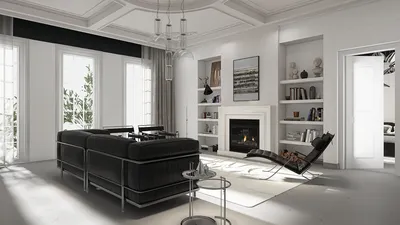


I once painted a small client's studio during the late hours due to their insistence that daytime work would disrupt the landlord. Unfortunately, this led to a lingering noxious cloud that took weeks to dissipate. The experience taught me that compact spaces tend to intensify odors, and a well-thought-out layout can significantly ease room ventilation. In such tiny areas, I often utilize what I like to call 'tiny room tricks' to enhance airflow and maintain the design's integrity without any compromise.
1. Expert Ventilation Techniques
To optimize ventilation, open windows across from each other to create a cross-breeze, and position a box fan facing outward in one window to expel odors. If available, activate exhaust fans from bathrooms or kitchens, and consider using a temporary ducted fan directed toward a window. This method rapidly decreases airborne smells, although weather conditions and security measures can sometimes hinder this approach.
save pin
2. Cost-effective Odor Absorption Techniques
Utilizing activated charcoal bags, bowls of baking soda, and even coffee grounds can be incredibly effective for capturing paint odors. After completing a painting job, I usually place several charcoal bags in closets and around freshly painted walls. They're both economical and simple to use, though they may take a few days to reach their peak effectiveness. For quicker results, I recommend refreshing these odor absorbers every 48–72 hours.
save pin
3. Seal Incessant Odors with Effective Primers
If odors persist, employing an odor-blocking shellac or oil-based primer can effectively contain the smell before repainting. My experience with shellac primers on nicotine-stained walls has proven transformative, effectively preventing odor migration while providing a clean surface for painting. Although these primers tend to be more expensive and emit their own odors, it is crucial to ensure proper ventilation during their application and to allow sufficient time for curing. For projects within kitchens, I often combine this approach with intelligent kitchen layout ideas to ensure that ventilation remains effective over time.
save pin
4. Clean and Repaint with Low-VOC Paints
Often, odors cling to remnants of grease, varnish, or dirt on the walls. To tackle this, I clean surfaces using a mild detergent or a TSP substitute, rinse thoroughly, and lightly sand before repainting. Opting for certified low-VOC paint can significantly reduce future off-gassing. While this choice may entail a higher price tag, it proves worthwhile for bedrooms and compact living spaces where people frequently spend their time.
save pin
5. Utilize Air Purifiers — Avoid Harmful Ozone Options
Investing in a HEPA air purifier equipped with an activated carbon filter will effectively eliminate airborne particles and unpleasant odors. I recommend running this device on high for a duration of 24–72 hours following your painting job. Be cautious of ozone generators marketed as odor eliminators, as they may pose risks to respiratory health. For high-stakes situations or persistent odors, professional remediation services or a prolonged wait-and-filter approach yield the best results. Additionally, leveraging tools like Homestyler for 3D visualization can help you strategically position purifiers and vents to optimize their effectiveness.
While small spaces can ignite boundless creativity, they can also exacerbate paint smells. By integrating strategies for ventilation, odor absorption, sealing, and sensible product selection according to your budget and timeline, you can maintain a fresh atmosphere without detracting from your design vision. I often advise clients to develop a solid ventilation plan prior to selecting paint to avert any future inconveniences.
save pin
FAQ
Q: How long does a noxious paint smell generally linger? A: Noticeable odors from conventional paints typically dissipate within 3–7 days when adequately ventilated; however, stubborn odors may persist for weeks if the space is poorly aired or if surfaces weren't prepared appropriately.
Q: Are odor absorbers like baking soda and charcoal pet-safe? A: Generally, both baking soda and activated charcoal are safe. Yet, it's important to keep bowls out of reach of inquisitive pets and to refresh them periodically to prevent mold or spillage.
Q: Can I add vinegar or coffee to paint to mitigate smell? A: No — adding other substances can disrupt drying, adhesion, and color consistency. It's best to rely on external odor absorbers or sealers.
Q: When should I opt for an odor-blocking primer instead of just airing the space? A: Apply a blocking primer when odors remain after cleaning and airing or when walls bear stains from previous applications. Although these primers are more effective, they also come at a higher cost and require adequate drying time.
Q: Are low-VOC paints entirely odor-free? A: Low-VOC paints substantially minimize off-gassing, but they may not be completely odorless. Typically, their smell is less intense and lasts for a shorter duration, making them preferable for bedrooms and compact apartments.
Q: Is it advisable to remain in a home during painting? A: With low-VOC paints and sufficient ventilation, many individuals can stay in their homes; however, those who are vulnerable (including pregnant individuals, infants, or those with respiratory conditions) should avoid freshly painted areas until odors subside.
Q: What guidance does the EPA provide regarding indoor air quality and paint fumes? A: The EPA emphasizes that proper ventilation and utilizing low-emission products can mitigate indoor air pollution risks. Refer to the EPA’s guidance on indoor air quality for additional specifics.
Q: When is it necessary to consult a professional? A: If odors continue despite thorough cleaning, sealing, and filtering, or if there's suspicion of chemical contamination, reaching out to a professional is recommended. They can evaluate indoor air quality and propose tailored solutions.
save pin
Homestyler is your go-to online platform for home design! With its user-friendly design tool, stunning 3D renderings, and a wealth of DIY video tutorials, you can effortlessly create and visualize your dream spaces. Transform your home design journey today!
Design jetzt kostenlos
































