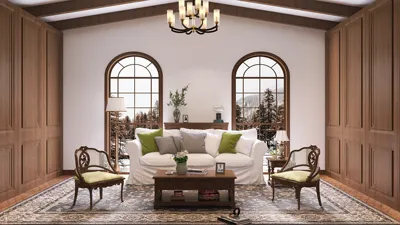


When I conceptualize Maharaja-style interiors, I envision them as dynamic expressions of art: rich textures, sculpted lighting, and intricate craftsmanship come together to create a space that exudes dignified tranquility rather than ostentatious flair. The aspiration is undeniably regal, but it is also designed for real living. Achieving this equilibrium is founded on three core principles: proportion, authentic materials, and sensory comfort.
Setting a Regal Foundation
The principle of scale is crucial in design. Majestic architraves, towering doors, and symmetrical wall treatments help establish a regal rhythm, while robust textiles—such as silk damask, handwoven cotton, and wool—provide grounding weight to the space. Ergonomics are as vital as decorative elements. Research from Steelcase shows that supportive seating can alleviate physical strain and enhance focus; in traditional settings, this translates to pairing ornate wooden sofas with seat heights ranging from 17 to 19 inches and lumbar-supportive designs that maintain classic looks. In terms of lighting, the Illuminating Engineering Society recommends a range of 200 to 300 lux for living areas; I often opt for the lower end, using layered accent lights to ensure an inviting and intimate ambiance without feeling underlit.
Illuminating the Palace: Brightness, Color Temperature, and Glamour
In regal design, contrasts are essential: gentle ambient lighting, warm accent pools, and sparkling highlights come together. I prefer warm LED lights set at approximately 2700 to 3000K to accentuate gold leaf and polished brass without distorting fabric colors. The WELL v2 standards underscore the importance of minimizing glare and ensuring visual comfort; I avoid glaring filaments at eye level, opting instead for diffusing solutions like prismatic shades or micro-baffles that maintain a sense of drama. A well-structured lighting plan is key, incorporating cove lighting for soft illumination, wall sconces placed at 1.5 to 1.7 meters for a portrait-level glow, and a focal chandelier scaled to about 1/12 to 1/10 of the room’s width. For exploring room configurations and fixture placements, utilizing a layout visualization tool, like Homestyler, can help clarify sightlines and enhance symmetry before finalizing electrical installations.
Understanding Color Psychology and Luxurious Palettes
Traditional royal color schemes typically feature rich reds, deep indigos, and malachite greens, complemented by metallic accents. Red is seen as a symbol of warmth and ceremony; indigo provides a calming effect and adds depth, while green evokes freshness and connects to natural beauty. According to insights from Verywell Mind, red stimulates energy and focus, which can be balanced with matte finishes and adjustable lighting to prevent overwhelming the senses. I often neutralize vivid hues with base colors like bone, ecru, or stone greige on larger surfaces, reserving bolder tones for drapery details, carpets, and ceiling medallions. The concept of patina is vital: aged brass, antique silver, and hand-finished gold leaf offer more complexity than high-shine metals.
Creating Symmetry, Procession, and Spatial Intent
Historic palatial spaces are designed for a sense of arrival. A prominent axis—from doorway to focal point—creates a ceremonial path. I arrange major furniture along this axis and reflect secondary pieces to preserve visual harmony. In crafting reading nooks or tea corners, I ensure clear pathways of at least 900 mm and retain sightlines to the main feature wall or jharokha. For those wanting to experiment with various layouts, using an interior layout planner can effectively simulate symmetry and spatial relationships with precision.
Authenticity and Sustainability in Material Selection
True elegance is not surface-deep; it is rooted in craftsmanship. Handcrafted teak or sheesham frames, intricate inlay work, and pietra dura surfaces add genuine richness. I balance tradition with functionality through stain-resistant wool rugs, flame-retardant curtain liners, and low-VOC finishes that enhance indoor air quality. The choice of materials must come with a rationale—guidelines from the NKBA on durability and upkeep serve as practical references for high-traffic areas. Sustainability complements luxury; responsibly sourced hardwoods, recycled metal fixtures, and natural fibers age beautifully while minimizing environmental impact.
Textiles, Drapery, and Layering for Depth
Layering fabrics adds softness to architectural elements and introduces a rhythmic design language. Begin with a sizeable foundation rug, ensuring that the front legs of all seating rest comfortably upon it; border designs should mimic the patterns of ceiling coffers or panel framing. Drapery should elegantly brush the floor with 1.5–2 times fullness, interlined for strength in pleats and creating ceremonial visual appeal. When utilizing tie-backs, tassels, or other trims, I ensure they are understated, consistently repeating a single metal tone throughout the space to maintain cohesion.
Acoustic Comfort and Subtle Luxury
Stone flooring and lofty ceilings can heighten echo effects. I incorporate underlay in rugs, along with upholstered wall panels and fabric-wrapped screens to absorb mid- and high-frequency sounds, promoting conversation privacy. Research from Herman Miller indicates that controlling acoustics can significantly enhance satisfaction and performance in a work setting; this principle holds true in residential environments as well—creating a sound landscape is integral to the concept of luxury.
Artistry Above: Ceilings as Creative Canvases
Ceilings should be treated as artistic canvases. Utilizing coffered grids, gilded rosettes, or decorative borders can enhance the perception of height when contrasted with lighter textures. I maintain proportions for cornice details, generally at 1/20 to 1/25 of the room height, ensuring that embellishments enhance rather than overpower. Subtle up-lighting within coffers, at approximately 1–2 W/ft², adds a warm glow without creating harsh spots.
Furniture Designs: Combining Comfort with Tradition
Curved armrests, scrolled legs, and caned backrests nod to historical designs, while breathable, supportive cushions encourage prolonged seating. I evaluate the depth of seat pans (18–20 inches) and angle of the back (4–6 degrees) to promote hip and spine alignment. For tables, maintaining a distance of 300–450 mm between the edge and seating allows for graceful service. Additionally, marquetry surfaces benefit from protective glass, revealing edges while safeguarding investment.
Ornamentation: Prioritizing Curation Over Clutter
Carefully chosen inlay boxes, miniature art pieces, and brass urli bowls evoke stories; they flourish best with space around them. I curate displays in odd-numbered clusters with varied heights and provide specific lighting at 150 to 200 lux. Shelves featuring cloth-bound books in earthy tones prevent an overly rigid atmosphere. Additionally, placing perfume burners and incense on stone trays helps avoid damage to surfaces.
Lighting Controls and Evening Ambiance Rituals
Dimming and scene management are contemporary tools for creating atmospheres. I program three different lighting scenes: Reception (averaging 300 lux), Conversation (150–200 lux), and Nightcap (80–120 lux), all maintaining a consistent warmth of 2700–3000K. A compact wall keypad or app-based system facilitates seamless transitions without searching for switches. The WELL v2 guidelines emphasize controllability, enhancing occupant comfort; this demonstrates how technology can quietly uphold traditional design values.
Designing Entrances, Niches, and Thresholds
Thresholds should embody a sense of ceremony—using stone or patterned tiles accompanied by bordered carpets, brass handles, and arched frames. Niches, measuring 40–60 cm deep, can showcase sculptures; recessed lighting positioned at 30–35 degrees helps avoid shadow on intricate pieces. If space allows, a vestibule can diffuse sound and elegantly frame the entrance to the primary room.
Harnessing Natural Light and Managing Heat
Natural light is the ultimate gem in design. Sheer under-curtains temper glare, while heavier drapes help control heat absorption. I recommend using light-colored linings behind dark drapery to maintain comfort while preventing excessive warmth. In areas with intense sunlight, patterned jali screens or perforated shutters can diffuse light, creating beautifully intricate shadow patterns—combining aesthetics with functionality.
Flooring and the Art of Pattern Discipline
Textured flooring—be it stone inlays, herringbone wood, or encaustic tiles—can anchor the overall aesthetic. The challenge lies in maintaining proportion: selecting one dominant pattern, a secondary one, and an accompanying texture is key—no more. This trinity keeps the visual journey engaging without strain. Borders should echo either the ceiling or drapery trims for a cohesive look.
The Cultural Connection
Maharaja-inspired design resonates most when heritage is respected. Contemporary artworks, heirlooms, and artisan-crafted pieces bring depth to the narrative of a space. I emphasize documenting the stories of the creators and materials; this enriches dialogue and preserves authenticity.
A harmonious arrangement initiates with engaging conversation radii—ideally between 2.4 to 3 meters—ensuring voices flow effortlessly without effort. Circulation paths should be unobstructed at a minimum of 900 mm, and focal furniture must be aligned along axes that honor symmetry. Utilizing a room layout tool, such as Homestyler, can streamline the testing of various seating clusters and rug sizes, assisting in visualizing ceremonial pathways.
Frequently Asked Questions
Q1: How can I ensure that lighting levels maintain a regal feel without being overly dim?
A1: Strive for ambient lighting around 200–300 lux combined with warm 2700–3000K bulbs, layering the lighting to accentuate art and textures. This approach follows IES recommendations for living areas while preserving intimacy.
Q2: Which colors effectively convey a Maharaja-inspired look?
A2: Rich reds, blues, and greens harmonized with warm metals and soft neutrals are ideal. Apply vibrant tones to textiles and accents, but keep large surfaces more muted for comfort.
Q3: How can I maintain balance in a room with an irregular layout?
A3: Establish a perceived axis using rugs, ceiling medallions, and matching lighting. Employing an interior layout planner helps refine balance and circulation in the arrangement.
Q4: What choice of materials provides authenticity and longevity?
A4: Solid woods like teak or sheesham, alongside wool fabrics, silk-cotton blends, and cast metals like brass or bronze, are recommended. Pairing these with low-VOC finishes and protective glass ensures durability and style.
Q5: How can I enhance acoustics in an echo-prone space?
A5: Integrate thick rugs with underlayment, upholstered wall panels, and fabric barriers to minimize reflection. Strategically positioning books and drapery also disrupts sound paths and reduces echo.
Q6: What are comfortable yet traditional furniture dimensions?
A6: Ideally, chairs should have seat heights of 17–19 inches, depths of 18–20 inches, and a back pitch of 4–6 degrees. Tables should allow a distance of 300–450 mm for smooth service.
Q7: Is it appropriate to incorporate smart controls in a heritage-styled room?
A7: Certainly—discreet control panels and programmable lighting scenes can enhance functionality. Effective controllability can promote occupant comfort, aligning with WELL v2 standards for user experience.
Q8: How can I avoid a cluttered appearance in my decor?
A8: Curate fewer, larger decorative items; arrange objects in odd-numbered groups, maintain a unified metal theme, and provide focused lighting to elevate the ambiance of each piece.
Q9: What strategies should I apply for window treatments in bright climates?
A9: Layer sheer materials for glare reduction, complemented by heavy drapes to manage heat. Consider using jali screens for a mix of light diffusion and privacy without heaviness.
Q10: Is it possible to blend contemporary art with traditional decor?
A10: Absolutely. Neutral backdrops and precise accent lighting will allow contemporary pieces to engage in a conversation with heritage crafts without clashing visually.

Natural Live Edge Solid Walnut Coffee Table Top 3D Model

Minimalist Ceramic Vase with Decorative Branches and Stacked Coffee Table Books 3D Model
Minimalist Fabric L Shaped Modular Sectional Sofa 3D Model
Homestyler is your go-to platform for transforming home design ideas into reality. With its easy-to-use online design tool, stunning 3D renderings, and extensive video tutorials, you can effortlessly create beautiful spaces and explore innovative design projects, making home styling fun and accessible for everyone!
立即免费设计
































