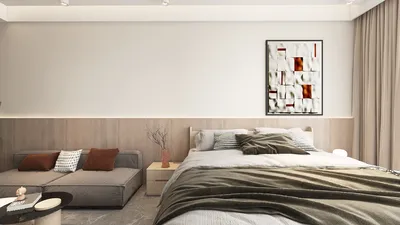


One time, I attempted to paint an accent wall in a compact studio using a large industrial sprayer — and almost knocked over my neighbor's laundry on the balcony. This experience taught me that while machines offer impressive power and speed, they also require preparation and respect. I still chuckle about that day, and now I always take time to visualize small rooms before embarking on any messy projects, allowing me to test colors and scales first with tools like Homestyler.
Small spaces necessitate innovative thinking, and I've found that using machines for wall painting is one of my favorite shortcuts to achieve a significant impact. Here are five strategies I've successfully implemented in real projects, complete with practical insights on their effectiveness, potential challenges, and budget-friendly tips.
1. Airless and HVLP Sprayers for Ultra-Smooth Finishes
I enjoy starting with airless or HVLP sprayers when clients desire a flawless, brushless finish on a feature wall. The benefits include quick application and a uniform coat — ideal for small walls where streaks can be very noticeable. However, be aware of overspray and the time needed for masking; proper planning for protection and ventilation is crucial.
Pro tip: Always conduct a test spray on cardboard and adjust the pressure accordingly. If you're budget-conscious, consider renting a sprayer for a day instead of purchasing one that might gather dust in storage.
save pin
2. Projector-Guided Machine Painting for Murals
When creating murals, I use a projector to cast the design onto the wall and either trace it by hand or utilize a guided spray system to outline the design. It's an excellent method for achieving large-scale art in a small room without the need for a full mural team. This technique helps maintain accurate proportions and saves time, although it does require a steady hand for detailing and shading.
I once created a botanical mural in a narrow hallway; the projector helped me outline the leaves so that the sprayer could easily fill in larger color sections. From a budget standpoint, a quality projector and a few nights of work are far more economical than hiring a muralist.
save pin
3. CNC-Cut Stencils Plus Machine Spraying for Repeat Patterns
For fans of geometric patterns or intricate designs, CNC-cut mylar stencils paired with a handheld sprayer are a dream come true. The stencil allows for perfect repeatability, while the sprayer facilitates rapid application. A small drawback is stencil alignment — expect a bit of adjustments on the initial row.
This approach is ideal for those who want the aesthetics of wallpaper without the permanence: the finish is washable, customizable, and removable when using the correct type of paint. It works beautifully with custom cabinetry finishes in tight kitchen corners — I often sync wall designs with bespoke kitchen finishes to create a harmonious feel in small spaces.
save pin
4. Digital-Printed Wall Wraps Applied with a Precision Machine
Large-format digital printing allows you to transform photographs or artwork into wall wraps that fit seamlessly into tight spaces. For small rooms, a single expansive image can instantly create a sense of space and mood. Installation with precision tools reduces the chances of bubbling and misalignment, although the cost tends to be higher than traditional paint.
I recommended this for a studio that wanted to create a forest ambiance — the printed wrap provided immediate drama and was less disruptive than multiple paint jobs. If you're renting, be sure to get samples printed first to check how the colors look under your specific lighting.
save pin
5. Robotic Striper Tools for Perfect Accent Bands
If you're aiming for perfectly straight stripes or accent bands, robotic striper tools or automated tape-laying jigs make this task incredibly simple. They are especially beneficial in narrow spaces where any crooked stripes can be noticeable. The downside is the initial setup time and the necessity for accurate measurements prior to operation.
Recently, I employed a small striper to create metallic bands on a bedroom wall — the machine did the heavy work, and I handled the delicate metallic glazing by hand. For a budget-friendly alternative, you can use a manual jig combined with a low-pressure sprayer to achieve a similar look.
save pin
FAQ
Q1: What is machine wall painting?
Machine wall painting refers to the use of tools such as sprayers, projectors, CNC-cut stencils, large-format printers, or robotic applicators to apply paint or designs to walls. This method enhances efficiency and repeatability compared to traditional brushes and rollers.
Q2: Are paint sprayers better than rollers for painting home walls?
Sprayers provide smoother, faster coverage and are great for feature walls or textured finishes. However, rollers are cleaner and simpler for DIY projects. If you opt for a sprayer, make sure to invest time in masking and ensuring proper ventilation to mitigate overspray.
Q3: Can robotic painters be used in residential spaces?
Yes, there are robots and automated setups designed for interior walls, typically found in commercial applications but increasingly used in residential renovations. They significantly reduce labor for repetitive painting tasks but require careful setup and consideration of safety protocols.
Q4: How should I prepare walls for machine painting?
The prep work remains the same as for traditional painting: clean, patch any holes, sand if needed, and prime when covering tough stains or switching from dark to light shades. Machines can highlight imperfections, so thorough preparation is crucial.
Q5: Is machine wall painting safe for homes with lead paint?
For homes built prior to 1978, it is important to follow lead-safe work practices. According to the U.S. Environmental Protection Agency's (EPA) Renovation, Repair, and Painting (RRP) Program (https://www.epa.gov/lead/renovation-repair-and-painting-program), contractors are required to be certified and implement containment measures to minimize lead dust exposure.
Q6: What is the cost associated with machine wall painting?
Costs can vary significantly: renting a sprayer for a day is quite economical, while custom printed wraps or robotic installations might be costly. Expect to spend anywhere from a few dozen dollars for rental supplies to several thousand for advanced digital or robotic services.
Q7: Can machines manage textured or uneven walls?
Sprayers can handle minor textures effectively, but heavy textures may lead to noticeable inconsistencies. For particularly uneven walls, smoothing or skim-coating prior to machine application usually provides the best results.
Q8: What kind of maintenance is required after machine-applied finishes?
Maintenance will depend on the finish: washable paints and vinyl wraps can be cleaned easily with mild detergents. Metallic or specialty glazes might require gentle care and occasional touch-ups, which are typically simpler than redoing hand-painted murals.
save pin
Discover the joy of home design with Homestyler! This user-friendly platform offers a powerful online design tool, stunning 3D rendering, and an extensive collection of design projects. Plus, learn from DIY video tutorials to create your dream space effortlessly. Start designing today!
今すぐ无料でデザイン
































