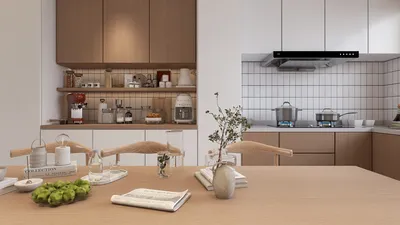


Having collaborated on numerous L-shaped living room designs—from cozy apartments to spacious family homes—one fundamental design principle remains clear: a strategic layout enhances comfort, flow, and visual appeal. The L-shaped configuration encourages distinct areas for socializing, media, dining, and reading while requiring careful attention to sightlines, lighting variations, and furniture dimensions. When executed effectively, this arrangement feels instinctual and aesthetically pleasing.
Performance metrics are essential. The WELL v2 guidelines advocate for ambient lighting that promotes visual clarity and comfort, while the Illuminating Engineering Society (IES) recommends that typical living spaces aim for around 100–300 lux for everyday activities, complemented by adjustable dimming for versatility. Research by Steelcase highlights the connection between spatial choices and enhanced wellbeing; for living environments, this translates to flexible lighting, varied seating options, and sound absorption elements that enable each area to function optimally. According to Verywell Mind’s insights on color psychology, warm tones create an inviting atmosphere, whereas cool shades promote tranquility—valuable advice for differentiating social spaces from relaxing corners. References include WELL v2 (wellcertified.com) and IES standards (ies.org/standards).
Define Your Goals: Map Areas Within the L
Begin with intent. I outline the longer side of the L for primary seating—a sofa, lounge chair, and media space—while dedicating the shorter side to secondary activities: dining, reading, or a play area for children. Ensuring a clear pathway along the inner spine of the L preserves uninterrupted sightlines. If you're experimenting with furniture arrangements or considering a redesign, utilizing a room layout tool, like Homestyler, can help visualize dimensions, traffic patterns, and sightlines before making purchases.
Establish the Long Leg: Positioning the Sofa and Creating a Focal Point
Place the primary sofa along the longer wall or use a rug to define the main gathering area. For TV placement, maintain a viewing distance of approximately 1.5–2.5 times the screen’s diagonal measurement for optimal comfort. Balance competing focal points: if both a TV and a fireplace are present, select one as the centerpiece and let the other complement it—utilizing stacked art, slim shelving, or a low credenza to avoid creating a dominant visual element.
Design the Short Leg: Dining, Reading, or Versatile Use
The short leg serves well as a secondary area. For dining purposes, allow for 36–42 inches around the table to facilitate smooth movement. In reading nooks, position a lounge chair with a side table and a floor lamp that provides 300–500 lux illumination. If this leg faces windows, consider creating a biophilic space—incorporating plants, natural textures, and soothing wall colors to encourage relaxation.
Using Rugs to Create Boundaries: Define Rather Than Divide
Employ rugs to visually segment areas without constructing physical barriers. In the seating area, the rug should accommodate the front legs of all seats for stability in design. In the secondary area, a smaller rug under a circular table will maintain ease of movement. This visual rhythm—combining large and small rugs—reinforces the L-shape without fragmenting the space.
Layered Lighting: Ambient, Task, and Accent
Incorporate diverse lighting to match activity needs. Ambient lighting (100–300 lux) establishes the overall atmosphere; task lighting (300–500 lux) supports activities like reading or dining; and accent lighting highlights artistic or architectural elements. Utilize dimmers and warm color temperatures (2700–3000K) for cozy evenings, while cooler tones (3500–4000K) can invigorate daytime tasks. Manage glare with diffusers and indirect lighting, avoiding reflective surfaces in direct paths of light.
Color Psychology: Balance Energy and Serenity
Colors significantly influence the ambiance of each area. Soft neutrals and green shades create a calming effect in the short leg, while warmer colors—such as muted terracotta, honey tones, or deep blue accents—infuse liveliness into the long leg. Aim for balanced saturation: one bold wall or artwork can energize the space without overwhelming it. The color psychology insights from Verywell Mind support the notion of utilizing warm hues for social interactions and cooler tones for relaxation.
Furniture Proportions and Comfort
In an L-shaped layout, scale is crucial. For narrower spaces, opt for low-profile sofas with slender arms and visible legs to create a sense of openness. Maintain 18 inches between the coffee table and seating for easy access, and 36 inches for main walkways. Ergonomically designed seating with heights around 17–19 inches accommodates most users while armrests facilitate entry and exit. Angle chairs 10–15 degrees toward one another to strengthen social interaction while preserving clear sightlines.
Organization and Media: Maintain an Open Path
Wall-mounted shelves or low credenzas along the long leg help to keep the pathways clear. In multifunctional areas, tall storage should be positioned at the ends of the L for support and visual containment, while lighter, lower storage in the center promotes breathability in the design. Managing cables and utilizing materials that are acoustically friendly—like rug textures, curtains, and upholstery—minimizes visual clutter and echo.
Sound Comfort: Soft Textiles and Smart Separation
L-shaped rooms often create sound reflections. Incorporate soft elements—rugs, lined curtains, upholstered furnishings, and bookshelves filled with materials—to absorb sound. If the short leg accommodates dining or play areas, consider using a textile screen or an open bookshelf as a partial sound barrier. Position speakers away from hard corners to avoid excessive bass resonance.
Natural Light, Glare, and Flexibility for Day and Night
Pay attention to how natural light shifts across the L throughout the day. Arrange screens perpendicular to direct sunlight to mitigate glare. Adopt layered window treatments—including sheer curtains for diffusing light, shades for privacy, and heavier drapes for total darkness—allowing the space to transition from bright and lively to warm and tranquil.
Material Selection: Cohesiveness with Tactile Variety
Select a unified base of wood finishes, matte paints, and textured fabrics, enhancing with one or two contrasting materials such as stone or metal. Prioritize low-VOC finishes and robust fabrics; natural materials soften acoustics and introduce tactile warmth. Limit highly reflective surfaces to prevent glare in compact spaces.
Compact L-Shaped Rooms: Clever Strategies
In limited spaces, look upward and opt for lean designs: wall sconces instead of floor lamps, nesting tables, and armless chairs. Mirrors positioned opposite light sources can enhance the perceived width, but avoid placing them in busy areas to minimize visual distraction. A slender console behind a floating sofa can delineate space without adding bulk.
Expansive L-Shaped Rooms: Create Layered Areas
In larger layouts, emphasize hierarchy. Develop a spacious central seating island, then carve out unique micro-areas—such as a vinyl listening corner, game table, or library wall. Employ pendant lights to designate each area and maintain visual anchors—such as rugs, ceiling features, or color separations—to ensure the L remains clear and readable.
Flow Patterns: Keep the Intersection Clear
The internal corner is critical to overall planning. Maintain a clear radius—ideally 36 inches—and avoid placing tall furniture that obstructs movement. Low planters, stools, or round ottomans can provide visual interest while preserving flow throughout the space.
With or Without a TV: Balancing Social and Screen Time
If media is a focal point, orient seating for comfortable viewing while including an off-angle conversational seating option for those not focused on the screen. If media is less integral, arrange seating around a fireplace, artwork, or scenic window. A swivel chair can effectively accommodate both functional needs without taking up much space.
Testing Layouts: Experiment Before Committing
I often sketch various configurations and validate them with a layout simulation tool, such as Homestyler, to assess scale, spacing, and light distribution. Small adjustments—like shifting a sofa, increasing rug size, or relocating a lamp—can significantly improve spatial flow.
Frequently Asked Questions
Select the leg that offers the best views of a focal point (fireplace, TV, window) and the most direct circulation access. Ensure the inner spine remains open to prevent interference with the seating area.
Aim for 100–300 lux for ambient lighting and 300–500 lux for task areas like reading or dining. Warm color temperatures (2700–3000K) are best suited for evening settings; dimmers provide adaptability.
Utilize one larger rug for the primary seating area and a smaller one for the secondary zone. Ensure that the front legs of seating rest on the rug to visually unify the pieces and support continuity.
Maintaining about 18 inches from the edge of the seat to the table allows for easy access without strain. Keep primary walkways clear at 36 inches for comfortable movement.
Position screens away from windows, employ diffusing light fixtures, and select matte finishes for frames and adjacent surfaces to reduce reflections.
Incorporate warm, inviting hues within the social zone and cooler, calming colors in reading or restorative spaces. Maintain moderate saturation and use accents rather than extensive high-chroma walls.
Layer sound-dampening elements such as rugs, cushioned seating, lined curtains, and filled bookshelves. Avoid placing speakers in tight corners to mitigate bass accumulation.
Opt for slim, elevated furniture, wall-mounted lighting, nesting tables, and a muted color palette. Positioning a compact sofa on a well-sized rug can enhance the spacious feel.
Absolutely. Use art pieces, sculptural light fixtures, or vistas as focal points. Secure the area with a rug and an organized furniture arrangement to establish a sense of hierarchy.
Maintain a 36-inch turning radius, steer clear of tall furniture near the corner, and opt for low-profile options (such as plants or stools) to add character without obstructing movement.
Absolutely. Ensure there is 36–42 inches around tables and opt for lighting that can adjust from functional to ambient settings. Round tables fit well within corner configurations.
Establish a cohesive base using matte paints, wood elements, and textured fabrics, then accent with one or two contrasting materials like stone or metal. Prefer finishes that are low-VOC and durable to enhance longevity.

Rustic Solid Oak Round Coffee Table Unique Geometric Base 3D Model
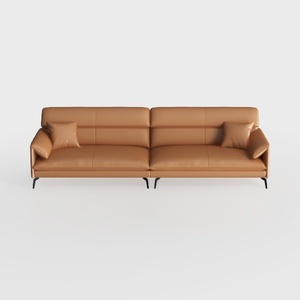
Modern Minimalist Tan Leather Living Room Sofa 3D Model
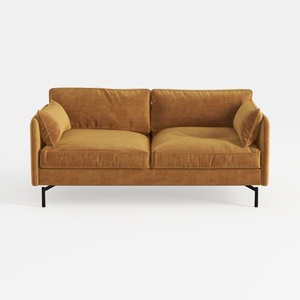
Modern Velvet Upholstered 2 Seater Sofa With Black Metal Legs 3D Model
If you're looking for an easy-to-use home design tool, Homestyler is your go-to platform. With its innovative online design capabilities, stunning 3D renderings, and a wealth of DIY tutorials, you'll be able to create your dream space effortlessly and with confidence.
Design Now for FREE
































