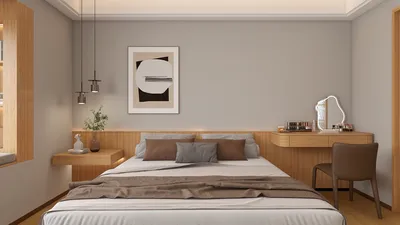


As we look toward the future, today's residences continue to find ways to balance privacy, light, and circulation. Reports from the AIA highlight that homeowners prioritize outdoor connections and adaptable spaces. The L-shaped house floor plan naturally addresses both of these needs. This configuration manages sound, frames nature beautifully, and prepares for versatile work-life arrangements. I often refer to this spatial reasoning tool as a guide for what’s on the horizon, especially when utilizing innovative platforms like Homestyler for virtual design.
Courtyard Hinge: Public Arm + Private Arm
Design Concept: The L structure divides into two sections—one for social interactions and the other for rest. The central void creates a micro-climate courtyard that ensures ample daylight, biophilic elements, and neighborly privacy, forming the ideal setting for hybrid work and relaxation.
Flow: The layout guides you from the entry to a mudroom, leading into the kitchen, moving to the living area, looping around the courtyard, and finally aligning with the bedroom corridor. This sequence minimizes conflicts while promoting a smooth transition between spaces.
Sightlines: A diagonal sightline extends from the kitchen to the green courtyard, with controlled views towards the bedrooms, much like a user interface that prioritizes important information while reducing distractions.
Storage: Perimeter millwork serves as an efficient cache, including bench cubbies at the entryway, a dedicated pantry wall, and linen storage along the sleeping section; this predictable arrangement minimizes latency in accessing necessary items.
Furniture Dynamics: A sofa with a 36" depth is strategically placed to maintain diagonal sightlines; the dining table measures 36" x 72" with 42" clearances; queen beds in the bedroom allow for 30" side aisles—design elements capable of adapting to life's changes.
Overall Assessment: This design accommodates various stages of life, from children to teenagers to guests, with the courtyard enhancing connections without compromising space.
save pin
Work-Ready L: Split Studio Node
Design Concept: With remote work becoming commonplace, this elbow structure transforms into a studio, providing acoustic separation that allows for concurrent domestic and professional commitments without losing efficiency.
Flow: The side entry leads to a drop zone, with the studio door to the left and the great room to the right; a centrally located service core optimizes plumbing for effective use and future renovations.
Sightlines: The workspace enjoys framed views of the landscape rather than distractions from the television; it features transparency to the outside while maintaining privacy indoors, akin to a role-based access system.
Storage: The studio includes a wall system with 24" deep equipment bays, overhead storage for archives, and a concealed printer niche; the home side boasts a spacious 10' pantry along with bulk storage adjacent to the garage.
Furniture Dynamics: The studio desk measures 30" x 72" with a rear clearance of 48"; a foldable sofa accommodates guests; the great room's sectional is capped at 108" to ensure unobstructed circulation.
Overall Assessment: The L design integrates workspaces without overwhelming living areas, effectively maintaining focus today while being adaptable for tomorrow.
save pin
Climate-Smart L: Sun, Wind, and Shade
Design Concept: The long leg is oriented to capture warm winter sunlight while the short leg protects against the harsh summer sun; this configuration operates as a passive environmental tool rather than just a design feature.
Flow: Starting from the carport to the mud area, through the utility core, into the kitchen hub, shaded loggia, and finally the lawn; these seasonal pathways feel like switching modes on an interactive dashboard.
Sightlines: The depth created by layering offers shaded spaces in the foreground, a bright central courtyard, and a soft horizon beyond; visual priority is granted where people spend the most time.
Storage: Outdoor lockers under the overhang, climate buffer closets inside, and a kitchen wall grid that functions like adaptable storage solutions.
Furniture Dynamics: The loggia table measures 36" x 84" in sync with the rhythm of sliding panels; flexible lounge sets can be reconfigured for effective airflow; interior furniture maintains clearances of 36–42" to support temperature regulation.
Overall Assessment: As energy costs rise and heat waves become more frequent, this L-shaped design transforms physical angles into functional utilities rather than mere aesthetics.
save pin
Final Thought
The L-shaped house floor plan serves as a subtly innovative framework, effectively managing light, privacy, and mobility without unnecessary space. Whether in new constructions or renovations, variations of this layout—such as L-plan courtyard homes, corner-lot designs, and indoor-outdoor combinations—are akin to future-ready blueprints. I believe that the most advanced homes in the coming decade will not be larger but rather more purpose-driven, and the L design consistently confirms this in my work, especially with the help of Homestyler in visualizing these concepts.

Accent Storage Sideboard with Drawers and Doors

ODK 54 Inch Computer Desk Home Office Desk, Gaming

Rustic Terracotta Decorative Pottery Set with Wooden Shelf 3D Model
Homestyler is your go-to online home design platform! With a user-friendly design tool, stunning 3D renderings, a variety of design projects, and helpful video tutorials, it empowers you to create your dream space effortlessly. Perfect for both beginners and seasoned designers!
Design jetzt kostenlos
































