

As we look ahead, our living spaces are evolving, yet many current apartments grapple with inefficient layouts and awkward angles. The trend towards compact living is on the rise, as indicated by the NAHB trendline, making it essential to have a solid spatial reasoning toolkit for navigating L-shaped apartment floor plans. These unique shapes should not be seen as drawbacks but rather as opportunities to optimize flow, natural light, and storage—just like programming code, as the next wave of lifestyle demands cleaner, more efficient interfaces.
Split-Arm Quiet/Public Layout
Design Concept: One section of the floor plan accommodates public activities, while the other ensures privacy; our future lifestyles seek modularity, making this layout function like two interconnected processes.
Flow: The movement through the space follows this path: entry → kitchen hub → living area → pivot corner → series of bedrooms; the design minimizes delays at transitions with strategically placed buffer spaces.
Sightlines: A diagonal line of sight from the entryway to the window provides a sense of direction; the corner serves as a pivotal point, effectively reducing glare.
Storage: A wall-depth pantry along with corridor closets function as storage hubs at junctions, effectively curbing clutter buildup.
Furniture Arrangement: The sofa is positioned parallel to the long wall; a table functions as a central island measuring 30x60 inches; the bedroom design maintains a clearance of 30 inches.
Conclusion: This layout successfully balances social interactions with private retreats, catering to the evolving needs over the next five years of hybrid living.
save pin
Corner Hub with Radiating Rooms
Design Concept: Position the kitchen and utilities at the corner—this serves as the core of the home—while radiating outwards to living and sleeping areas; emerging lifestyles will thrive on central organization.
Flow: The movement through the space is structured as follows: entry → corner hub (cook/charge/store) → living area → terrace; with an auxiliary path leading to the bath and sleeping quarters.
Sightlines: The corner hub remains in view without being overpowering; living room windows serve as the primary interface; thresholds gradually reveal depth.
Storage: The hub features a stack of tall cabinets, toe-kick drawers, and overhead shelves, while the corridor includes slim storage solutions for seasonal items.
Furniture Arrangement: A rounded coffee table minimizes obstacles at bends; galley modules maintain a depth of 24 inches for efficient functionality.
Conclusion: This resilient design core accommodates minor adjustments—like meal prep, remote work, or hosting guests—while maintaining clarity in use.
save pin
Flexible Bend as Work/Wellness Bay
Design Concept: Utilize the L's hinge to create a convertible studio space—functioning as a workspace by day and a relaxation zone by night—negotiating our multi-faceted routines.
Flow: Entry → living area → bend bay → sleeping zone; optional access to the bathroom ensures maintenance remains efficient.
Sightlines: A transverse view from the living area through the bay to the bedroom door establishes hierarchy, with screens acting as subtle dividers.
Storage: An integrated bench with deep drawers for devices; overhead racks accommodate mats and foldable seating.
Furniture Arrangement: A 48-inch desk with a sliding return; a lightweight lounge chair that can pivot to face either section; the bed is kept low to enhance spatial perception.
Conclusion: The hinge space enhances functionality, promoting both health and productivity without the need for a larger footprint.
save pin
Final Thoughts
The L-shaped apartment layout represents a glimpse into the future of design: hallways functioning as logic pathways, corners acting as processing points, and rooms serving as outputs. Variants such as L-shaped units and corner apartments exemplify how thoughtful geometry can transform daily living, provided that flow, sightlines, and storage are treated with intentionality, similar to code. Insights into compact kitchens and diagonal views clarify just how awkward spaces can evolve into agile systems. From my perspective, the most intelligent homes in the future won't necessarily increase in size; instead, they will prioritize intention and functionality, and L-shaped designs clearly illustrate this shift.
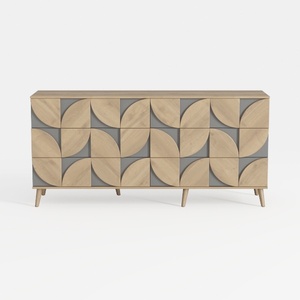
Modern Geometric Pattern Solid Wood Sideboard Cabinet 3D Model

Modern Minimalist Fabric U Shaped Sectional Sofa 3D Model
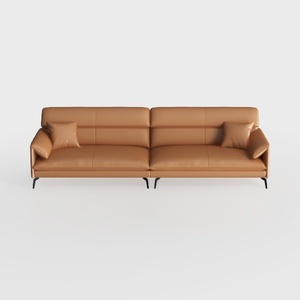
Modern Minimalist Tan Leather Living Room Sofa 3D Model
Homestyler is your go-to online platform for home design! With its easy-to-use design tool, stunning 3D renderings, and a plethora of inspiring design projects and video tutorials, you can effortlessly create and visualize your dream spaces. Transform your home design experience today!
تصميم الآن مجانا
































