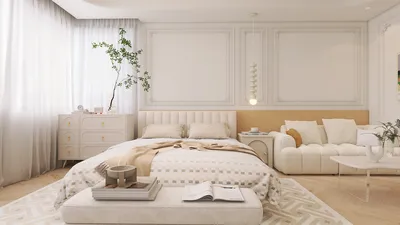


During one of my consultations, a homeowner excitedly suggested painting their living room ceiling in neon coral. While I was tempted to laugh, I opted instead to utilize an AI mockup tool to evaluate the concept in mere moments. This approach not only saved the ceiling but also preserved my professional integrity, reinforcing how quick color tests can lead to reversible alterations in design.
1. Subtle Neutrals to Enlarge Spaces
Warm greige or soft gray shades in compact living areas are favorites of mine, as they bounce light around and help the walls feel further away. These tones offer enduring appeal since they create a calming atmosphere for both guests and potential buyers. However, to avoid blandness, it's important to incorporate texture and contrast. My technique includes using a medium-contrast rug and adding a vibrant cushion, allowing the walls to carry the design without appearing flat.
save pin
2. A Striking Accent Wall for Character
When clients desire a dose of personality without a full commitment, an accent wall becomes my preferred solution. Choosing a rich teal or charcoal behind the sofa can bring both depth and protect the wall from wear. The key is selecting the correct wall and ensuring that the lighting complements the color, making it appear vibrant rather than dreary. For those mindful of budget, consider painting just a stripe or a niche for maximum impact with minimal cost.
save pin
3. Two-Tone Walls to Adjust Proportions
Implementing two-tone walls (with a darker hue below and a lighter one above) can effectively visually manipulate ceiling height. For instance, in a space with a 9-foot ceiling, I once painted the lower third a warm taupe and the upper two-thirds a soft cream to create a snug atmosphere. Accurate planning of these proportions can greatly benefit from a quick 3D visualization that utilizes tools like Homestyler to test where the split lines should be and see how the furniture interacts with each color.
save pin
4. Cozy Earthy Hues for Comfort
Colors such as ochres, terracottas, and soft olives can imbue a living room with a comforting, embraced feel—ideal for open-plan designs requiring distinctly defined living areas. These shades are timeless, though they may not pair well with cool metallics; I counterbalance them using brass or wooden accents combined with warm lighting. Investing in tester pots typically helps determine whether your selected earth tone feels warm or muddy under natural light.
save pin
5. High-Contrast Trim and Painted Ceilings
Transforming a modest living room into a stylish haven can be as simple as painting the trim in a bright white or even a bold black. Furthermore, painted ceilings—whether in a pale blue or soft beige—can dramatically influence the room's perceived height. If you feel hesitant, start with the trim and a single ceiling panel to acclimate to the contrast before extending it throughout; I often reference layout studies on Homestyler to grasp how color interacts with furniture arrangement.
save pin
Tips 1:
Purchase sampler pots and create full 2x2 foot patches on different walls, testing at various times of the day. Proper lighting makes a significant difference, revealing undertones that tiny swatches may conceal. Additionally, opting for a satin finish in busy living areas can ensure durability while maintaining a softer sheen.
save pin
FAQ
1. How do I select a paint color for my living room?
I always start with factors like natural lighting, existing furniture shades, and a focal point you wish to highlight. Testing samples across different walls and living with them for several days is crucial before finalizing your choice.
2. What colors make a living room feel larger?
Light warm neutrals and cool pale blues or greens usually create an illusion of spaciousness by reflecting light. To maximize perceived room size, avoid using dark, high-chroma colors on all four walls.
3. Is matte or satin preferable for living rooms?
I recommend satin for family living rooms due to its ease of cleaning and resilience to marks. While matte offers a trendy, luxurious feel, it tends to show scuffs more readily.
4. Can I maintain the same color throughout an open plan?
Absolutely—using a cohesive color scheme helps unify different areas, but varying finishes and accents can ensure that spaces like the dining or kitchen areas still feel distinct. Incorporating a slightly different shade or a complementary accent wall can add interest without creating chaos.
5. How do undertones affect my color selection?
Undertones (warm versus cool) significantly influence how a color appears beside wood, fabric, and lighting. As advised by Sherwin-Williams, testing colors in your room and observing them under varying lighting conditions is essential to experience the undertones in their true form.
6. What are safe bold colors for an accent wall?
Deep teal, charcoal, and rich olive are considered safe bolds, as they complement neutrals and many wood finishes well. They introduce drama without the added risk that comes with neon or pure primary colors.
7. How important is the quality of paint?
Opting for high-quality paint ensures better coverage (requiring fewer coats), more accurate color matching, and enhanced longevity, which can ultimately save time and money over time. For rental or resale projects, I often recommend mid-to-high tier paints for their durability.
8. Can good lighting remedy a poor color choice?
Quality lighting can improve perception significantly, but it won’t completely resolve issues with colors that clash against your flooring or textiles. Always test colors; if necessary, adjust your wall accessories and lamps before considering repainting.
save pin
Homestyler is your go-to online platform for transforming your home design dreams into reality. With its user-friendly design tool, stunning 3D renderings, diverse design projects, and helpful DIY video tutorials, creating your ideal space has never been easier or more fun!
تصميم الآن مجانا
































