

Direct Answer
Living in an octagon-shaped house brings a trade-off between space efficiency and construction challenges. These unique homes provide enhanced natural lighting, sweeping views, and improved energy efficiency, but often come with increased building expenses, difficulties in furnishing, and limited market appeal in certain areas.
Quick Takeaways
Introduction
When clients inquire about unconventional home layouts, they often wonder: Are octagon houses practical for everyday living? After designing several non-traditional floor plans over many years, I can attest there isn’t a straightforward yes or no answer. The benefits and downsides largely depend on how the octagonal geometry influences daily lifestyle.
Octagonal houses date back to the 19th century and resurface periodically in architectural discussions because they offer efficiency, broad views, and distinctive style. Yet, homeowners frequently encounter unexpected perks alongside some compromises.
One helpful way to assess this layout early on is by visualizing furniture placement, room flow, and circulation within the eight-sided structure. Tools like Homestyler that allow testing real furniture arrangements in unusual floor plans provide clarity on whether the shape feels inspiring or cumbersome.
This article explores the advantages of octagonal home designs, common obstacles homeowners might overlook, and lifestyle considerations that affect whether this design is an ideal fit.
save pin
What Makes Octagon Houses Unique
Key Insight: Octagon homes differentiate themselves by decreasing external wall surface area while offering views in multiple directions.
The hallmark of an octagonal home is its eight-sided design, altering how light, ventilation, and movement function compared to standard rectangular homes. Instead of elongated hallways and box-shaped rooms, the central living space is usually encircled by angled perimeter walls.
This arrangement creates notable spatial dynamics:
In the mid-1800s, American phrenologist Orson Fowler popularized octagon houses, believing their design enhanced airflow and daylight. Modern sustainable architecture studies often confirm benefits of such compact geometric forms.
However, the same angular geometry that boosts light and air circulation can complicate interior design. Common cabinetry, flooring patterns, and furniture are typically optimized for 90-degree corners rather than 135-degree ones.
Key Advantages of Octagonal Home Layouts
Key Insight: The main perks of octagonal homes include improved natural light flow, panoramic vistas, and efficient spatial circulation.
After analyzing various built examples and remodeling projects, I’ve found the strongest benefits relate to environmental performance and overall spatial quality.
Key advantages encompass:
In several hillside homes I reviewed, occupants remarked that enhanced daylight quality was the standout advantage. Sunlight enters at multiple angles, keeping rooms illuminated for extended periods throughout the day.
save pin
Potential Drawbacks and Limitations
Key Insight: Difficulties with octagon houses typically arise during construction and interior furnishing phases rather than everyday use.
This is where many newcomers face unexpected challenges. Builders and designers often caution that non-rectangular structures demand bespoke solutions.
Frequent issues include:
An often-overlooked detail is flooring waste. Materials like hardwood or tile are tailored for rectangular spaces, and cutting angled rooms usually results in 10–15% more leftover material.
This hidden expense seldom features in early budget estimations.
save pin
Cost, Maintenance, and Resale Considerations
Key Insight: Octagonal homes can have higher initial construction costs but may recoup expenses thanks to greater energy efficiency.
Construction prices vary greatly depending on design complexity. A simple, single-level octagon is comparatively straightforward, but multi-story versions with intricate roofing will increase costs significantly.
Factors influencing cost include:
Maintenance efforts can fluctuate. Repairing polygonal roofs often requires specialized contractors.
Resale value is the most uncertain element. While distinctive houses attract enthusiastic buyers, they also restrict the overall market size.
Many homeowners evaluate polygonal versus conventional layouts by using tools such as Homestyler to visualize and compare 3D floor plans side-by-side, helping clarify trade-offs.
Answer Box
Octagon houses provide superior daylighting, ventilation, and memorable spatial experiences, but are typically more complex to build, furnish, and resell.
Lifestyle Factors to Consider Before Choosing an Octagon Home
Key Insight: The success of living in an octagon house depends more on occupant lifestyle than architectural form alone.
From reviewing homeowner feedback, satisfaction usually hinges on how residents use their space.
Octagon homes best suit those who:
Conversely, they may frustrate individuals seeking strict room division or conventional layouts.
If you’re considering alternative layouts, visualizing various interior design schemes beforehand is valuable. Seeing how spaces function can determine if the geometry aligns with your daily habits.
save pin
Who Should Choose an Octagon Floor Plan
Key Insight: Octagon residences appeal most to design enthusiasts prioritizing light, views, and architectural flair over traditional practicality.
Based on case studies and user reports, people most content in octagonal homes generally fall into three categories:
On the flip side, families preferring standardized room layouts, predictable building expenses, and easy furniture arrangements might favor conventional rectangular designs.
Final Summary
FAQ
Are octagon houses practical to live in?
They can be, depending on lifestyle. The layout supports open living and panoramic views but may complicate furniture placement.
What are the major pros and cons of octagon houses?
Advantages include abundant natural light, broad views, and effective airflow. Downsides involve greater construction complexity and unconventional interiors.
Are octagonal homes more energy efficient?
Potentially yes. Their compact shape reduces exterior surfaces, which can enhance insulation and heating efficiency.
Why were octagon houses historically popular?
In the 19th century, Orson Fowler advocated them as healthier dwellings with superior ventilation and sunlight.
Are octagon homes more expensive to build?
Typically yes. Elements like roof framing, angled walls, and custom cabinets increase labor and material costs.
Do octagon houses face resale challenges?
Sometimes. Their uniqueness appeals to niche buyers but narrows the market overall.
Can furniture easily fit in an octagon house?
Standard furniture can be used, though corner spaces may require custom pieces or creative arrangements.
Should you build an octagon house?
Consider it if you prioritize daylight, scenic views, and distinctive architecture over standard room layouts.
References
Meta TDK
Meta Title: Pros and Cons of Living in an Octagon House
Meta Description: Discover the true benefits and drawbacks of octagon houses, including layout advantages, hidden costs, and lifestyle insights before deciding to build one.
Meta Keywords: pros and cons of octagon houses, are octagon houses practical to live in, benefits of octagonal home design, disadvantages of octagon houses, should you build an octagon house
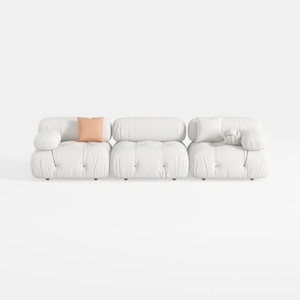
Minimalist White Fabric Modular Sofa 3 Seater 3D Model

Minimalist White Marble Coffee Table Unique Sphere Legs 3D Model
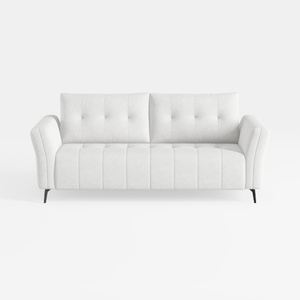
Minimalist Fabric Tufted Loveseat Sofa with Black Metal Legs 3D Model
Homestyler offers an easy-to-use online design tool with stunning 3D renderings, inspiring interior projects, and helpful DIY video tutorials. It’s the perfect platform to bring your home design ideas to life effortlessly and creatively.
지금 무료로 디자인하세요
































