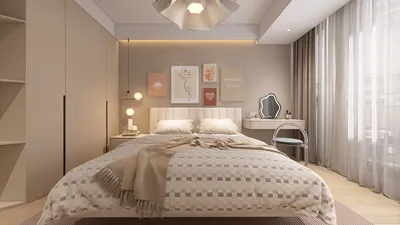


I approach the lighting of pooja rooms with the same dedication I employ for meditation spaces in luxurious homes: implementing balanced layers, utilizing warm color temperatures, and ensuring meticulous glare control. Sacred environments flourish with a calm visual rhythm—gentle general lighting, precise accents for idols or symbols, and a subtle sparkle that feels divine without being ostentatious. Incorporating Homestyler can help visualize these layouts effectively.
Studies continually demonstrate the impact light has on behavior and well-being. WELL v2 advises minimizing glare and utilizing balanced spectra to encourage comfort and circadian health, with techniques like UGR control and layered lighting enhancing visual ease (WELL v2, Light concept). Research by Steelcase further connects environmental quality to mental focus and tranquility, indicating that well-adjusted ambient conditions alleviate stress and boost engagement. I incorporate these insights into home design by emphasizing warm-white sources (2700–3000K), maintaining gentle luminance gradients, and preventing direct sightlines to excessively bright diodes.
Setting the Intention: Mood, Ritual, and Visual Hierarchy
Each pooja room tells a unique story—reflective quietude during meditation or lively expressions during evening bhajans. I start by establishing a visual hierarchy: soft ambient ceiling lights to delineate space, accent lighting for the deity or sacred wall, and a focused task beam for reading or lighting incense. Maintaining cozy light levels for devotion is crucial; in residential worship areas, 100–200 lux ambient is often sufficient, while accent lighting can reach 300–500 lux at focal points to enhance clarity. Both WELL v2 and IES guidelines stress the importance of task-appropriate illuminance and glare reduction, aiding in visual comfort during extended rituals.
Ceiling Types and Optimal Solutions
For flat gypsum ceilings, I prefer shallow recessed downlights with a 30° cutoff to obscure the light source, complemented by a dimmable central piece like a modest ring pendant or a streamlined chandelier. Timber ceilings benefit from warm uplighting coves that accentuate the grain, creating a floating canopy effect. In snug niches, integrating a micro linear LED into a recessed channel yields an even ambient glow without crowding the ceiling plane, which can be visualized using tools like Homestyler.
In compact pooja corners or alcoves, I model the layout and beam angles before selecting fixtures to avoid hot spots. When experimenting with various altar positions or seating arrangements, room layout tools can assist in visualizing fixture placements and sightlines.
Color Temperature, Dimming, and Candlelight Synergy
Warm-white sources (2700–3000K) harmonize beautifully with diyas and brass accents, enriching perceived warmth without distorting color. It's best to avoid cool white as it flattens the ritual atmosphere, counteracting flame tones. Incorporating 1–2 dimming scenes is beneficial: a brighter setting for cleaning and preparation, and a low, intimate scene for prayer. Maintaining a CRI ≥90 helps to represent natural reds and golds around textiles and garlands; this keeps the richness of kumkum, sindoor, and marigold hues intact.
Glare Management: A Significant Enhancement
True serenity is achieved when your eyes don't struggle against stark contrasts. I seek recessed optics with baffles or black cones, wall washers with asymmetric beams, and indirect coves that reflect light off the ceiling. Adhering to IES recommendations on shielding angles ensures comfortable luminance, while implementing WELL’s glare management principles—limiting visible diodes and positioning fixtures out of direct sightlines—is essential. Even a minor adjustment, like selecting a 40° beam with a honeycomb louver, can profoundly enhance the meditation experience.
Layering Strategy: Ambient, Accent, and Sparkle
- Ambient: Utilize cove or low-glare downlights to achieve 100–200 lux, ensuring even light distribution across the floor and walls, establishing a calm baseline.
- Accent: Employ narrow-to-medium beams (20°–30°) to draw attention to the deity or central motif; the accent should be roughly 2–3 times the ambient level to create visual focus without harshness.
- Sparkle: A small crystal or brass pendant can add a ritual glimmer. Ensure it's dimmable and shielded to avoid direct glare from seated positions.
Materials, Finishes, and Light Interaction
Polished white marble altars reflect light beautifully but may cause glare when directly illuminated by narrow beams. I mitigate this effect using wall washers or edge-lit linear profiles. Brass and gilt finishes thrive under warm tones, while matte surfaces maintain an elegant ambiance. Natural stone, teak, and handwoven fabrics appear best under 2700–3000K, high-CRI light, adding depth and texture without undesirable color casts.
Acoustic and Sensory Serenity
Merely having proper lighting won't create sanctity if the room is noisy. I recommend using quiet drivers (flicker-free, low acoustic noise) and combining lighting with soft elements like rugs, curtains, or acoustic panels to minimize reflections. Reducing auditory distractions fosters a relaxing environment that aligns with behavioral research linking multisensory comfort to focus and ease.
Switching, Scenes, and Ritual Progression
Organize switching according to ritual sequences: a scene for preparation (brighter ambient), a prayer scene (low ambient with accent on the deity), and a candle-only mode where electric light dims away. A wall dimmer near the entry and a discreet scene controller near the seating area facilitate smooth transitions. For elderly family members, large, tactile switches positioned 36–42 inches high improve accessibility.
Safety and Maintenance
Maintain an appropriate distance between open flames and fixtures or wiring. Opt for LED lights with superior thermal management and replaceable drivers to enhance durability. In areas with heavy incense use, specify sealed optics or easy-clean trim rings to prevent residue accumulation on lenses. Proper cable management is vital; conceal drivers within accessible ceiling panels or adjacent cabinetry for quiet maintenance.
Ceiling Light Concepts I Frequently Revisit
- Recessed low-glare downlights in a 3-point arrangement framing the altar, leaving the central area visually serene.
- A halo cove nestled inside a tray ceiling, adjustable to create a gentle aura that suggests sanctity without extravagance.
- Micro linear wall-washers grazing a carved panel or mural, adding depth without aggressive spotlighting.
- A petite brass pendant with a frosted diffuser, hung high enough to avoid eye-level glare when seated.
- Edge-lit acrylic rings mounted flush to provide a soft, cloud-like illumination for modern, minimal temples.
Color Psychology for Sacred Spaces
Warm colors nurture calm and connection. Research in color psychology indicates that red and gold hues evoke energy and auspicious feelings, while softer whites and creams promote lowering arousal, encouraging introspection. Use accent lighting to subtly enrich these colors without overwhelming the overall scheme. Opt for matte wall colors to minimize visual disturbances and glare hotspots.
Human Factors: Sightlines, Seating, and Posture
When sitting cross-legged or on a low stool, the line of sight can drop significantly—this is where many lighting designs miss the mark. I configure beam angles to ensure no direct view of light sources from a low, forward-tilted stance. Provide task lighting for scripture reading that doesn't spill onto the camera frame if streaming ceremonies. For kneeling or standing rituals, ensure the accent light illuminates the idol without casting shadows from your body.
Integrating Natural Light with the Flow of Devotion
Morning sunlight can be stunning yet unpredictable. Sheer blinds can mitigate glare; a small skylight with diffusing glass may serve as a continuous soft source. Balancing daylight with dimmed artificial light helps maintain a consistent visual hierarchy. Avoid placing idols directly beneath a skylight to prevent harsh highlights or overheating during mid-day sun.
Sustainability and Low-Noise Solutions
Select high-efficacy LEDs and dim-to-warm modules to conserve energy while preserving ambiance. Ensure driver compatibility with flicker standards and minimal EMF interference to maintain spiritual and physical tranquility in the space. Opt for certified wood, low-VOC finishes, and durable fixtures to reduce maintenance requirements and environmental impact.
Quick Planning Checklist
- 2700–3000K, CRI ≥90 for authentic warm coloring
- Low-glare recessed or indirect cove lighting for tranquil ambiance
- Accent beams at 20°–30°, 2–3x ambient brightness focused on the deity
- Dimming scenes for preparation, prayer, and candle-only modes
- Shield bright sources from seated sightlines
- Opt for flicker-free drivers, ensuring quiet operation and safe distances from flames
- Consider utilizing layout simulation tools to test placements before installation: interior layout planner
FAQ
Q1. What is the ideal color temperature for a pooja room ceiling light?
A1. Warm-white light between 2700–3000K complements diyas and brass, facilitates calmness, and maintains natural skin tones. This range aligns with the comfort-focused guidelines mentioned in WELL v2’s Light concept.
Q2. What brightness should the space offer for daily rituals?
A2. Target an ambient brightness of 100–200 lux, with 300–500 lux for accents placed at the deity or focal wall. This ensures a gentle visual hierarchy without glare, adhering to IES task-lighting principles.
Q3. Are recessed lights or pendants the better option?
A3. For a serene atmosphere, low-glare recessed lighting serves as the foundation, while a small, diffused pendant can introduce a sacred sparkle. Ensure pendants are dimmable and hung higher than seated eye level.
Q4. How can I prevent glare when seated on the floor?
A4. Utilize fixtures with deep regression or baffles, opt for 30–40° beams, and position lights out of direct sightlines. It's essential to test from a seated perspective before finalizing the design.
Q5. Is it feasible to employ smart lighting scenes for rituals?
A5. Absolutely—create a preparation scene (brighter), a prayer scene (low ambient with focused accent), and a candle-only mode. Align switches with natural ritual flow for seamless transitions.
Q6. How significant is flicker for meditation?
A6. Flicker can create subtle strain during meditation. It’s important to choose quality, flicker-free drivers and dimmers that are compatible with your LED components, adhering to comfort guidelines in WELL v2.
Q7. In what ways do materials influence the lighting strategy?
A7. Glossy marble and polished brass can produce glare under focused beams. Opt for wall washing or diffused light and maintain warm sources to enhance the appearance of wood and fabric textures.
Q8. Is natural light suitable behind the idol?
A8. Backlighting can create silhouettes and harsh contrasts. Soften the light with sheer curtains or add lateral illumination, adjusting placement to keep the idol evenly lit.
Q9. What CRI should be prioritized?
A9. Aim for CRI ≥90 to accurately represent reds and golds, preserving the richness of flowers, fabrics, and sacred symbols.
Q10. How do I maintain fixtures in rooms with heavy incense use?
A10. Opt for sealed optics or trims that are easy to clean, schedule periodic lens maintenance, and ensure drivers are accessible to minimize service disruptions.
Q11. Can I incorporate a skylight?
A11. Yes, but utilize diffusing glass or light wells to soften direct sunlight. Pair with dimmable electric lighting to maintain consistent visual hierarchy during rituals.
Q12. Do you have a quick layout suggestion before installation?
A12. Mock up potential placements with painter’s tape and assess beam positions from a seated posture, or engage a layout simulation tool to visualize focal points and glare paths prior to installation.




Looking to transform your space? Homestyler is the go-to online home design platform for you! With a user-friendly design tool, stunning 3D renderings, a treasure trove of design projects, and insightful DIY video tutorials, you can effortlessly create and visualize your dream home. Dive in today!
立即免费设计
































