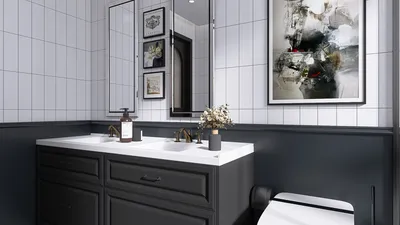


When designing a lighting plan for living rooms, I consider the ceiling as the core element—where ambient illumination, focused task lighting, and subtle accent lights come together. A thoughtfully balanced lighting scheme enhances the visual height of ceilings, reduces glare, and maintains clear sightlines. Through my recent projects, it is evident that strategically chosen ceiling fixtures significantly contribute to comfort and influence behavior: people tend to congregate in areas with warm, even light, read in bright spots, and relax in softly contrasted settings. By using tools like Homestyler, one can visualize and optimize these lighting arrangements effectively.
Achieving balance in lighting starts with understanding performance metrics. The Illuminating Engineering Society (IES) suggests that residential ambient lighting should typically be within the range of 100-300 lux, depending on the activities, while reading should be closer to 300-500 lux in seating areas. The color temperature of light also plays a significant role: Research from Verywell Mind indicates that warmer tones (2700-3000K) foster relaxation, while cooler tones (3500-4000K) enhance alertness, making them advantageous for versatile living spaces. In terms of wellness standards, WELL v2 emphasizes glare reduction, flicker control, and circadian-supportive techniques as essential components for occupant comfort and well-being.
Comfort in lighting is more than just brightness; it involves preventing visual fatigue. Studies from Steelcase have shown that improved environmental control, including lighting, is linked to greater satisfaction and engagement, particularly in multifunctional family areas. WELL v2's recommendations highlight the importance of beam control and shielding to reduce direct and reflected glare, crucial for activities like TV watching in open-concept living rooms. Collectively, these insights provide a basis for making informed ceiling-lighting choices grounded in tangible results rather than aesthetic intuition.
Types of Ceiling Fixtures and Their Ideal Applications
Today's living rooms gain advantage from a blend of fixtures tailored to specific zones and activities:
Layered Lighting: Ambient, Task, and Accent
I prioritize low-glare ambient lighting, then incorporate targeted task lights around seating areas, and conclude with accents that add dimension. Ambient lighting should be uniform and dimmable, ensuring it doesn’t flatten the space. Task lighting is essential where hands and eyes need focus—like swing-arm lamps on end tables and ceiling spots directed at reading chairs. Accent lights should highlight textures, elevate artwork, and differentiate between foreground and background to create an enriched evening ambiance.
Color Temperature, Rendering, and Atmosphere
For living spaces, I aim to position ceiling fixtures within the 2700-3000K range to strike a balance between warmth and clarity. A high Color Rendering Index (CRI of 90+) is crucial for accurately representing skin tones and material textures—elements like oak floors, boucle fabrics, and brass accents exhibit greater richness when colors are rendered accurately. Consider investing in tunable white lighting (2700-4000K) only if it's essential for transitioning from daytime activities to relaxing evenings; otherwise, a steady warm-white light minimizes decision fatigue.
Glare Reduction and Beam Management
Glare can significantly detract from comfort. Opt for fixtures that feature deeper recesses, matte reflectors, or diffusers with microprismatic designs. Avoid positioning direct downlights directly above reflective coffee tables; instead, use offset beams and wall-washing techniques to illuminate vertical surfaces, enhancing the overall brightness of the space without creating harsh spots. For areas like TV walls, consider using dimmable wall grazing or bias lighting as opposed to overhead lights that could create reflections on the screen.
Ceiling Height and Spatial Proportions
Ceiling height dictates the choice of fixture types and suspension distances. In rooms with 8-9 ft ceilings, it is best to use flush or semi-flush mounts and space recessed fixtures approximately 1.0-1.2 times their mounting height apart to maintain uniformity. For ceilings that reach 10-12 ft, pendants should hang 30-36 inches above coffee tables, and larger chandeliers must be proportionate in diameter (typically 1/2 to 2/3 the table width). Linear profiles can effectively lengthen narrow spaces and emphasize axis lines.
Planning Layouts and Maintaining Sightlines
Ceiling grid designs must adhere to circulation pathways and focal points. Ensure that primary beams do not obstruct seating sightlines; instead, emphasize artwork and bookcases to establish visual harmony. When reorganizing furniture or defining areas, simulate the layout and lighting coverage before finalizing fixture placements utilizing engaging design software like Homestyler for accurate visualization.
Dimming, Control Systems, and Lighting Scenes
Implementing multiple scenes allows living rooms to be more versatile—bright lighting for cleaning or board games, medium settings for casual conversations, and softer tones for movie nights. Pair dimmable LED drivers with wall dimmers or smart systems, and consider having separate circuits for ambient ceiling lights, accent downlights, and decorative pendants. Additionally, incorporating at least one flexible plug-in light source, such as a floor lamp, can enhance versatility without the need for complex rewiring.
Acoustic and Material Considerations
Hard ceilings and minimal textiles can amplify noise levels; therefore, lighting should facilitate acoustic comfort by preventing the use of buzzing or flickering fixtures. High-quality LEDs and quiet drivers can alleviate auditory and visual strain. The interplay of contrast, rather than just brightness, also shapes perception—matte paints, textured rugs, and drapes can absorb glare, making light feel gentler and more inviting.
Sustainability and Easy Maintenance
Opt for LED models that feature replaceable parts, extended lifespans, and reliable certifications. Select finishes that resist yellowing and easy-clean diffusers. Planning for maintenance is essential: position junction boxes where replacing fixtures won’t damage surrounding surfaces. In terms of energy efficiency, moderate wattage paired with high efficacy (lumens per watt) ensures the space remains bright without causing spikes in utility costs.
Design Approaches for Typical Living Room Configurations
In broad ambient spaces, employ semi-flush fixtures, place a compact pendant over the coffee table, and utilize two recessed accent spots aimed at the TV wall. Maintain a correlated correlated color temperature (CCT) of 2700K while facilitating deep trims to mitigate glare within confined areas.
Establish zones with layered scenes: linear profiles for main pathways, chandeliers above seating clusters, and track lights over play or reading zones. Position task lighting at 300-500 lux where necessary while keeping ambient levels around 200-300 lux to ensure overall comfort.
Center a sculptural chandelier as an anchor and use narrow-beam spots to draw focus to seating areas. Include wall washers to achieve balance in vertical brightness, preventing the area from feeling empty or cavernous.
Frequent Blunders to Avoid
FAQ
Aim for ambient lighting near 200-300 lux and 300-500 lux for reading-specific tasks close to seating arrangements. Utilize dimmers to adjust based on the time of day and activities, adhering to IES recommendations for residential settings.
Warm white lighting at 2700-3000K maintains a comfortable atmosphere for evenings while still supporting conversation and light tasks. Consider tunable white only if your space serves as a workspace during the day.
Absolutely. A CRI of 90+ is critical for truthful representation of skin tones and materials, which is especially vital for natural materials, art, and textiles. Low CRI can render spaces dull or inaccurately lit.
Fixtures should be spaced approximately 1.0-1.2 times their mounting height apart to ensure an even spread of light. Combining general beams with a few accent lights will help avoid a flat illumination effect.
Avoid directing overhead lights straight at the screen. Instead, utilize wall washing techniques and soft backlighting behind the TV while keeping the ceiling fixtures dimmed during viewing.
In rooms with 8-9 ft ceilings, choose semi-flush mounts or shallow pendants positioned centrally over tables, ensuring sufficient headroom. Decorative impact can be achieved without excessive drop distances.
Establish distinct zones with individual circuits and controlled scenes: an ambient ceiling layer, accent wall lighting, and decorative pendants suspended over seating areas. Adjustable tracks or heads support adaptable furniture layouts.
Lighting can indeed create a welcoming atmosphere when employed thoughtfully. Design three to four scenes—bright for activities, conversational settings, dining, and movie time—while keeping manual dimmers handy for quick adjustments.
Often using cooler light is suitable for evenings, although versatile daytime spaces might benefit from it. For a cooler feel, consider 3500-4000K but ensure you balance it with dimming options and warm accents.
Map out seating, focal walls, and circulation zones, then use an interior layout planner to visualize beam placements and shadow effects. A layout simulation tool, like Homestyler, can help to avoid misdirected fixtures.

Fluted Storage Cabinet, 31.5“ Wooden Sideboards
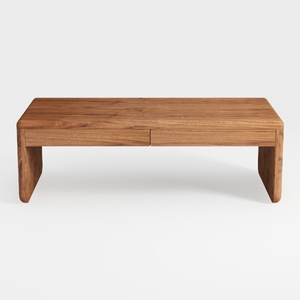
Minimalist Solid Wood Two Drawer Coffee Table 3D Model


Homestyler is your go-to online home design platform, perfect for both beginners and seasoned decorators. With its user-friendly design tool, stunning 3D renderings, a vast array of design projects, and helpful DIY video tutorials, transforming your vision into reality has never been easier!
Progetta ora GRATIS
































