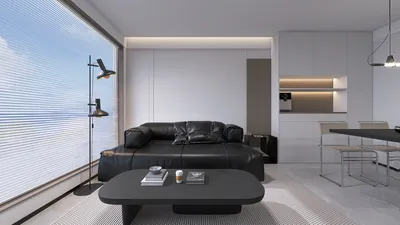


During a project where I agreed to install 150 pendant lights for a client seeking to create a ‘starry night’ effect in their dining area, I discovered two significant things: firstly, I should have insured my ladder, and secondly, the choices made concerning lighting dramatically influence the perceived value of a space. Even minor decisions regarding lighting can result in substantial budget fluctuations, which explains the varied salaries commanded by lighting designers.
1. Typical salary ranges
From my experience, the salaries of lighting designers vary greatly depending on their location and level of expertise. Entry-level designers typically earn between $35,000 and $50,000 annually, while mid-level professionals can make between $50,000 and $80,000. In high-cost urban regions, senior or specialized lighting designers can earn upwards of $90,000 to $150,000 or more. The potential for higher earnings exists, especially for those with specialized skills in sectors such as theatre, hospitality, or luxury residential design. However, freelancers often encounter unpredictable income and periods without projects.
save pin
2. Factors that push pay higher
Technical expertise, including knowledge of lighting controls, Building Information Modeling (BIM), and photometrics, plays a crucial role in salary negotiation. I recall a project where using advanced control programming effectively doubled the fee compared to a basic specification — clients are typically willing to invest more for enhanced performance and ambiance. Having certifications and a robust portfolio filled with intricate projects can often validate the higher rates or salaries sought, though building that portfolio takes considerable time and effort.
save pin
3. Freelance vs in-house roles
As a freelancer, my approach involved charging either by the project or per day, which sometimes resulted in higher hourly wages compared to my peers in studios. However, the consistent benefits and reliable paycheck that come with in-house positions are enticing as well. While freelance work offers greater flexibility and the potential for higher earnings during peak times, salaried roles provide steadiness and opportunities for professional development. A key consideration: freelancers must manage their own marketing efforts, contracts, and any downtime.
save pin
4. Which industries pay best
Some of the most lucrative sectors for lighting designers include hospitality, theatre, luxury residential projects, and corporate offices. I once had the opportunity to work on a boutique hotel where the lighting budget surpassed that of the furniture — a rare and delightful experience. Conversely, smaller retail shops or non-profit projects often come with stricter budgets, resulting in more creative restrictions and lower remuneration.
save pin
5. How to boost your income
Enhancing your technical capabilities, such as mastering lighting simulations and specification writing, as well as learning effective communication strategies with clients, can significantly increase your earning potential. I personally invested in 3D lighting visualizations, which proved beneficial — more engaging presentations often lead to larger projects. Although there’s an initial investment and a learning curve, the returns can be substantial in terms of both rates and quality of work.
save pin
Tips 1:
Are you looking to visualize room layouts and lighting arrangements more efficiently? Utilizing a reliable room planning tool, such as Homestyler, can help you experiment with different ideas before visiting the site, saving time and reducing the likelihood of costly mistakes.
save pin
FAQ
Q: What is the average salary of a lighting designer in the United States?
A: Salaries can vary widely based on experience and location, with mid-career designers often earning between $50,000 and $80,000 annually, while senior positions in major metropolitan areas may exceed $100,000.
Q: Do lighting designers need a degree?
A: While many lighting designers hold degrees in architectural lighting, theatre design, or architecture, a strong portfolio combined with technical expertise can often serve as a substitute for formal education.
Q: How much can freelance lighting designers charge per hour?
A: Freelance rates typically range from $40 to $150 or more per hour, contingent upon experience level, project complexity, and the prevailing market.
Q: Are certifications important?
A: Certifications, such as IALD membership or those related to lighting controls, can enhance credibility and help justify higher fees.
Q: Which skills most increase earning potential?
A: Skills such as photometric analysis, lighting control programming, 3D visualization, and effective client communication are especially influential in boosting earning potential.
Q: Is there reliable data on lighting designer salaries?
A: Indeed—industry salary surveys and labor statistics from the U.S. Bureau of Labor Statistics provide authoritative information on related occupations (https://www.bls.gov).
Q: How does location affect salary?
A: Salaries tend to be higher in major metropolitan areas and regions with active hospitality or corporate developments due to increased demand and cost of living.
Q: Can interior designers transition into lighting design?
A: Absolutely—many interior designers enhance their skills in technical lighting and controls, enabling them to offer comprehensive lighting design services and increase their revenue potential.
save pin


Homestyler is the ultimate online home design platform! With its user-friendly design tool, stunning 3D renderings, and a wealth of inspiring design projects and video tutorials, you can easily create your dream space, regardless of your experience level. Start designing today!
지금 무료로 디자인하세요
































